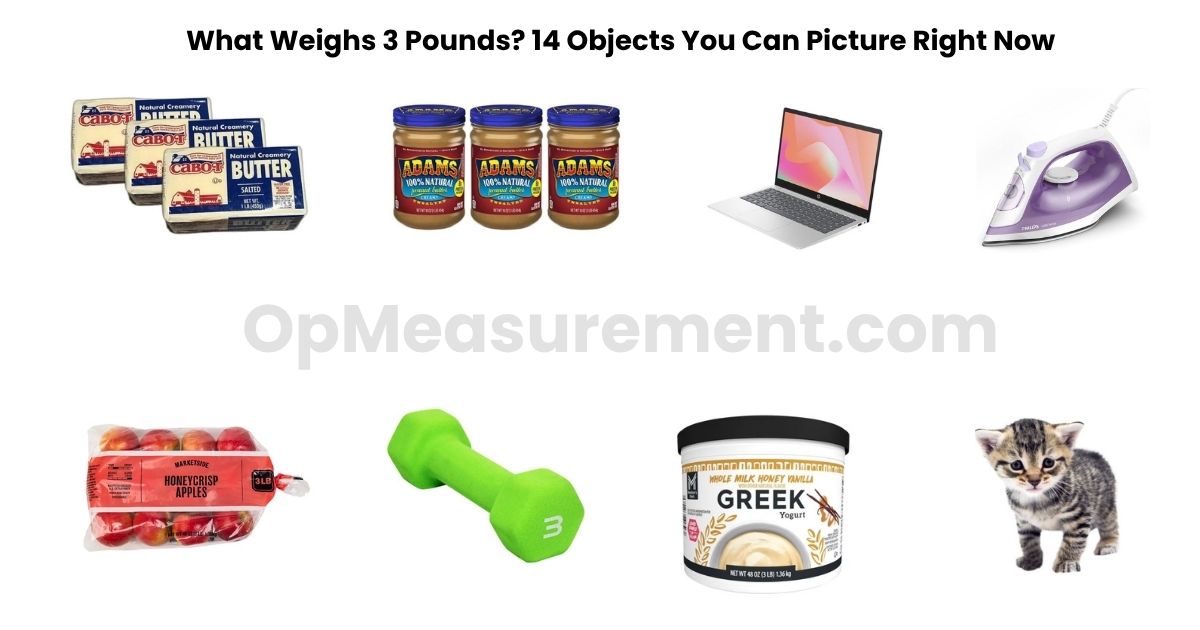
3 pounds equals 48 ounces by mass and exactly 1.36077711 kilograms. Use a package labeled 3 lb net weight or a weighed portion as a reference. Packaging adds weight, and household objects vary by size and model. Fluid ounces measure volume, not mass.
Trying to picture What Weighs 3 Pounds can be harder than it sounds. Numbers alone rarely help, but everyday objects do. From a bag of apples to a laptop or a household iron, many common items weigh about 3 pounds. Using familiar examples makes it easier to estimate weight, compare objects, and build a better sense of how heavy 3 pounds really feels in daily life.
| Unit | Equivalent |
| Pounds | 3 lbs |
| Kilograms | 1.36 kg |
| Grams | 1,360 g |
| Ounces | 48 oz |
Conversions follow the International Yard and Pound Agreement (1959), which fixed one pound at exactly 0.45359237 kilograms.
The Physical Reality of 3 Pounds Weight
Cup both hands together. A 3-pound object fills that space with real, present weight — not so light your hands forget it’s there, not so heavy your arms complain. Carry it for a few minutes and your forearm starts having a quiet conversation with you. That’s the honest physical signature of 3 pounds.
14 Things That Weighs 3 Pounds
| Object | Category | Weight (Pounds) |
|---|---|---|
| Bag of apples | Food | 3 lbs |
| 3 blocks of butter | Food | 3 lbs |
| Oil labeled 48 oz NET WT | Grocery | 3 lb of contents; not 48 fl oz |
| 3 jars of peanut butter | Food | 3 lbs |
| 3 packs of dried beans | Food | 3 lbs |
| 2-slice toaster | Kitchen Appliance | 3 lbs |
| Household steam iron | Household Item | 3 lbs |
| 13–14 inch laptop | Electronics | 3 lbs |
| Dumbbell | Fitness Equipment | 3 lbs |
| Adult human brain | Human Anatomy | 3 lbs |
| 3 boxes of dry pasta | Food | 3 lbs |
| 48 oz tub of yogurt | Food | 3 lbs |
| A weighed 3-lb banana portion | Food | 3 lbs |
| Young kitten (3–4 months) | Animal | 3 lbs |
1. A 3-pound bag of apples
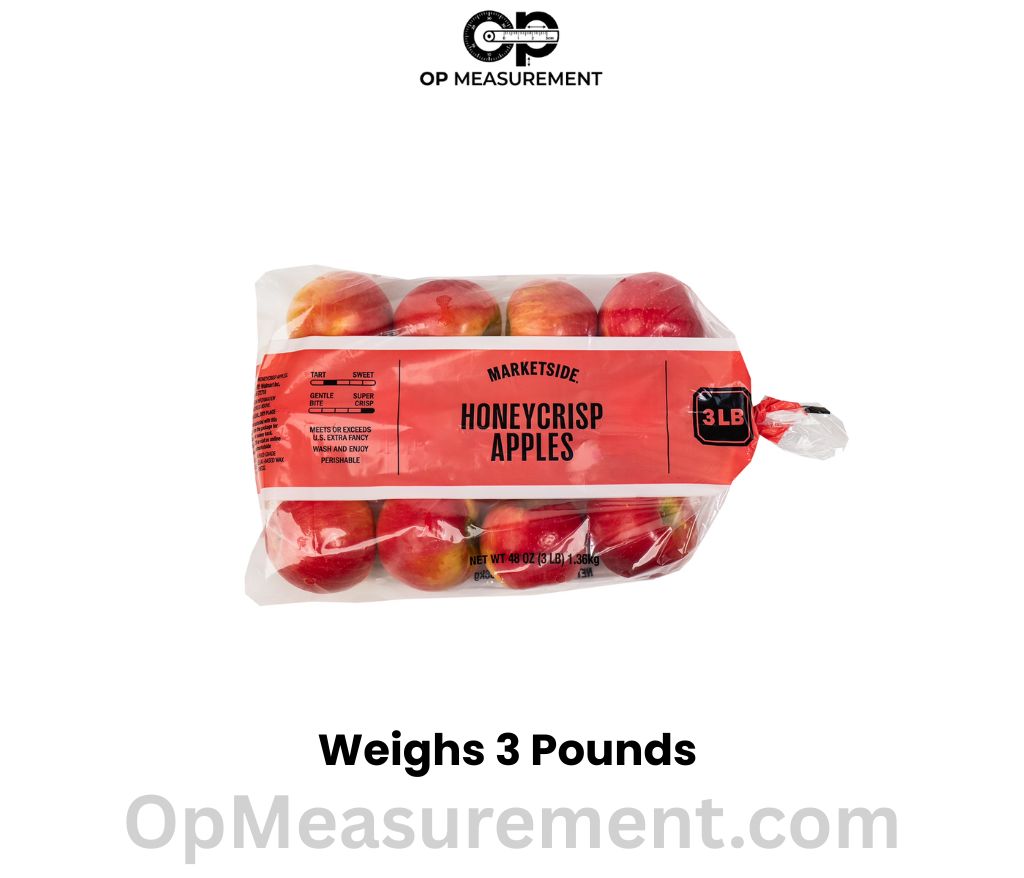
This is the gold standard reference. Five to seven medium apples, depending on variety. Fuji, Gala, Honeycrisp — all sold in exactly this bag size at virtually every grocery store. The weight sits perfectly in one hand, the plastic handle digs into your fingers just slightly. You’ve held this a hundred times. That memory lives in your muscles already.
2. Three 1-pound blocks of baking butter
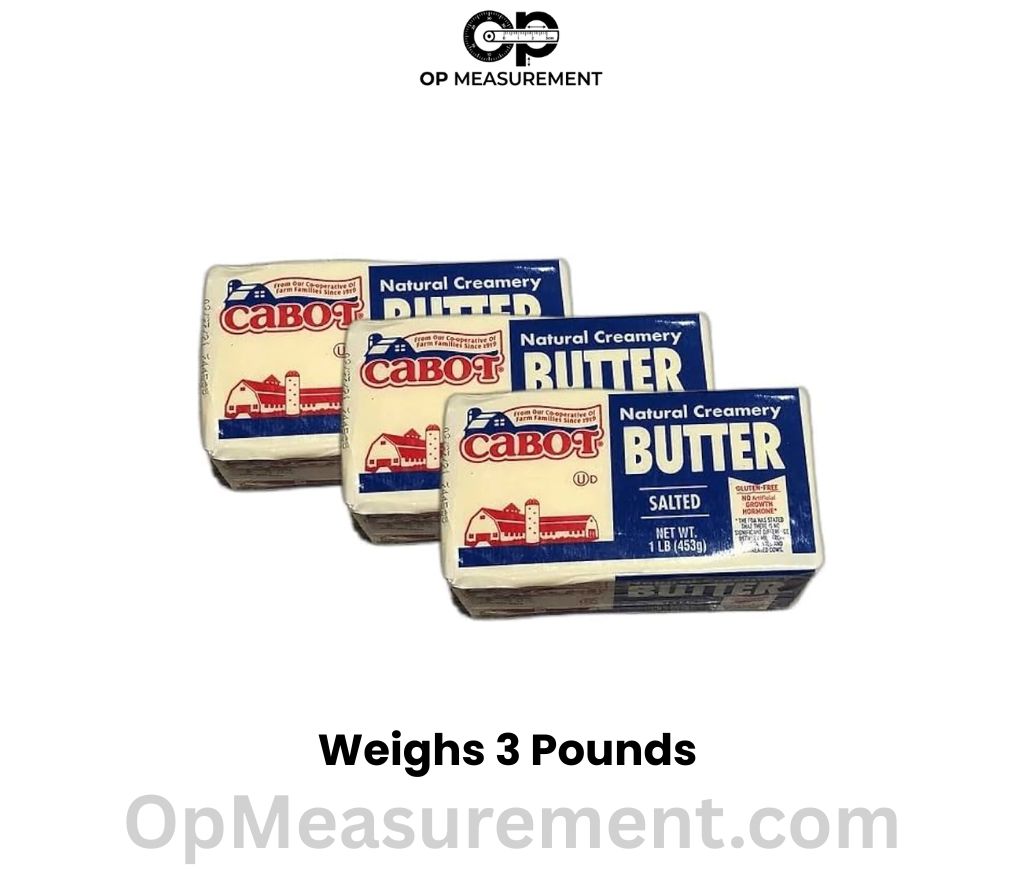
Each standard butter block is exactly one pound — four sticks. Line up three blocks fresh from the refrigerator. Cold, they feel almost hard, their weight concentrated and compact. This is a clean, deliberate 3-pound stack with zero ambiguity.
3. Oil labeled 48 oz by net weight
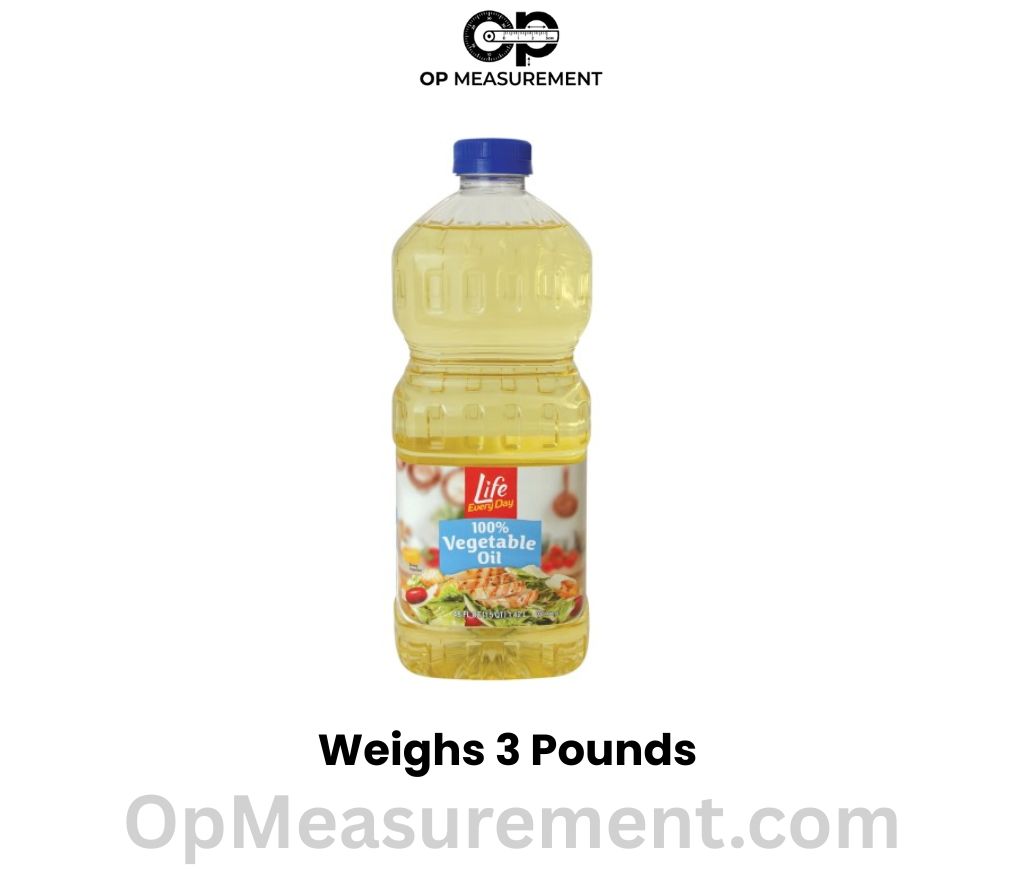
Read the oil label carefully. A 48-ounce net-weight quantity equals three pounds of oil, but a bottle labeled 48 fluid ounces gives volume instead. The bottle also adds mass; do not infer total weight from capacity.
4. Three 16 oz jars of peanut butter
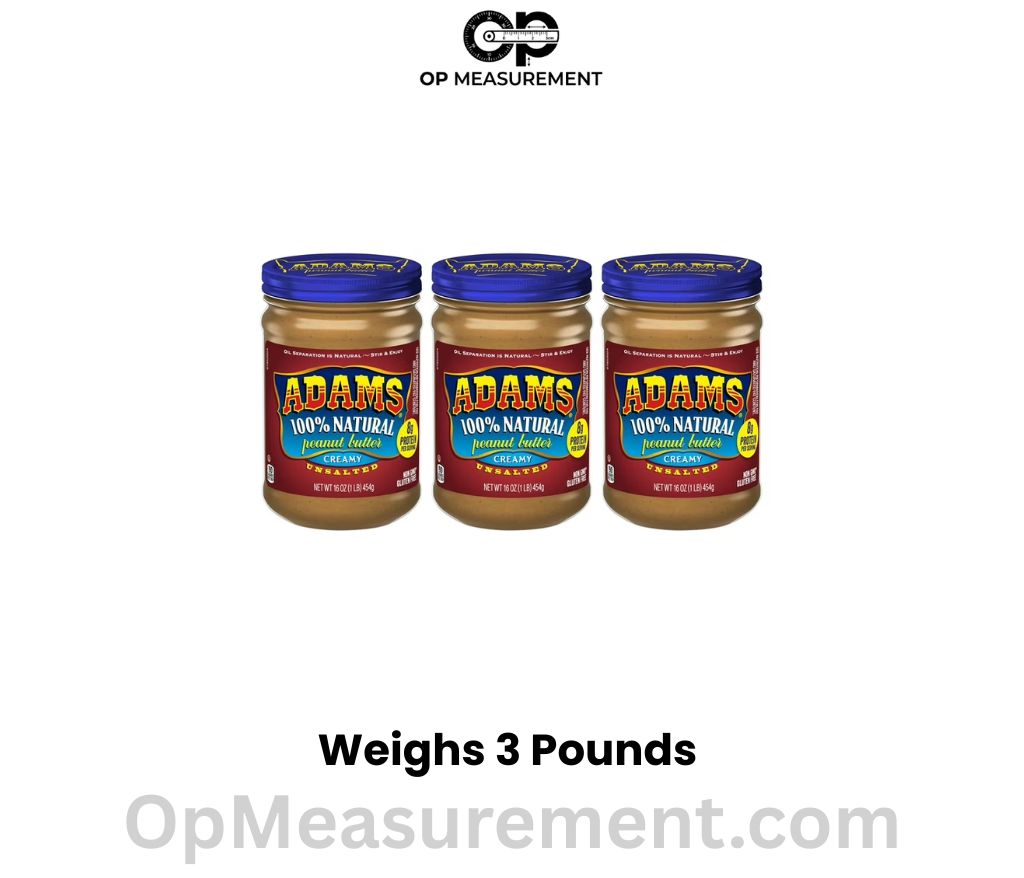
Three standard one-pound jars, grouped together. Peanut butter is dense and uniform — no shifting, no sloshing. As a weight reference it’s nearly perfect because the mass is stable. Hold all three in your arms and the weight is completely honest.
5. Three packs of dried beans or lentils
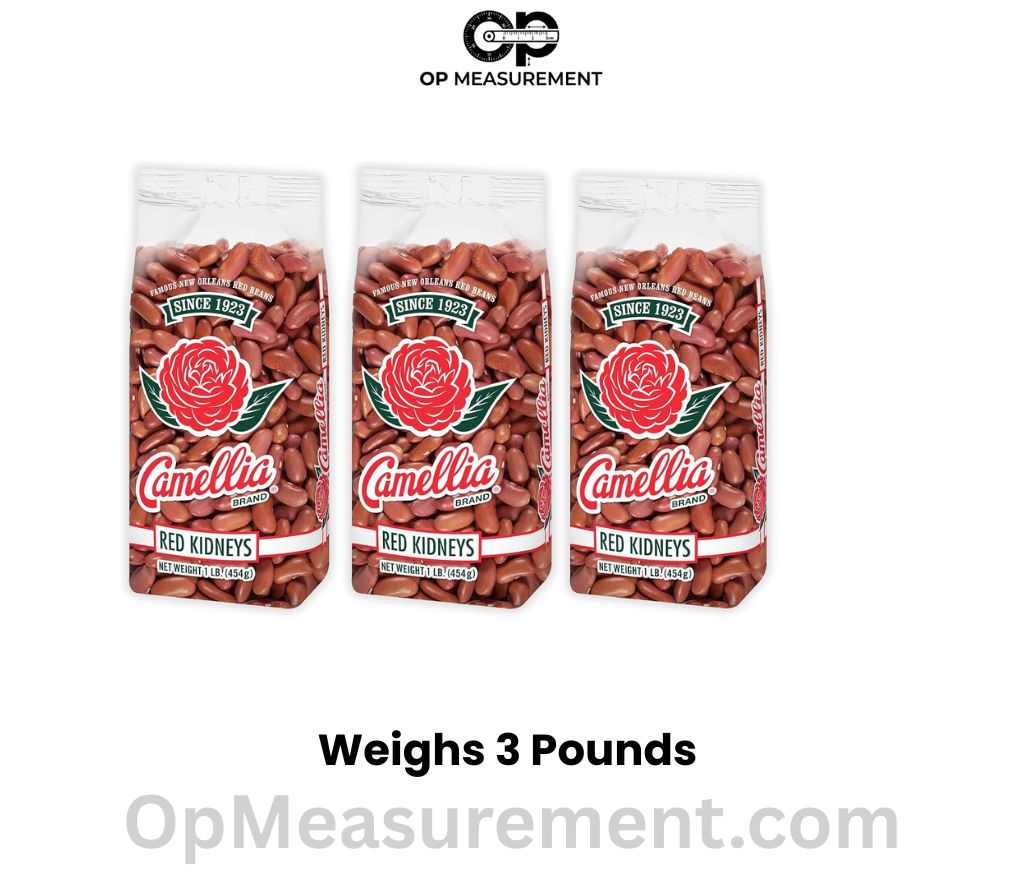
Black beans, chickpeas, red lentils — one pound per bag, three bags equals 3 pounds. They look surprisingly small for the weight. Dense materials in compact bags always catch people off guard. This is exactly why guessing weight by size alone is unreliable.
6. A 2-slice kitchen toaster
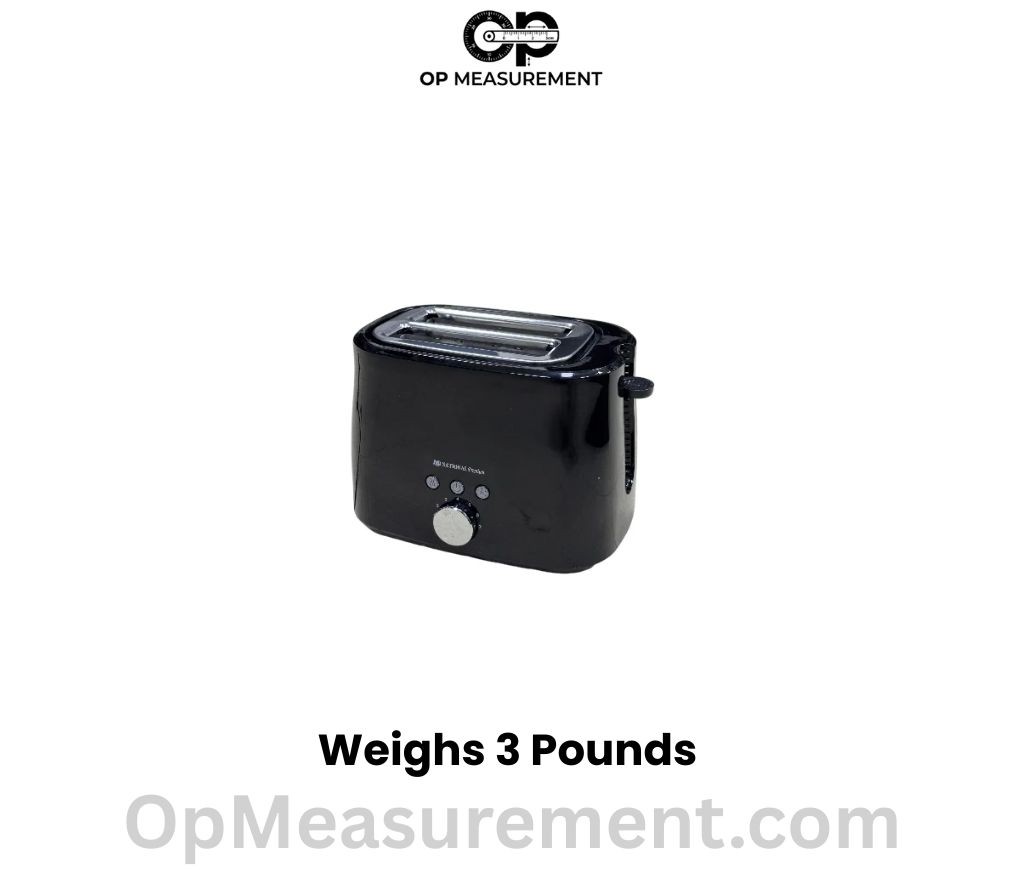
Pick one up to clean the crumb tray and you’re holding between 2.8 and 3.2 pounds. Chrome models run slightly heavier. The weight sits unevenly in your hand — bottom-heavy, boxy, a little awkward. Most people are surprised when they actually feel how substantial a basic toaster is.
Read more: What Weighs 50 Pounds?
7. A standard household steam iron
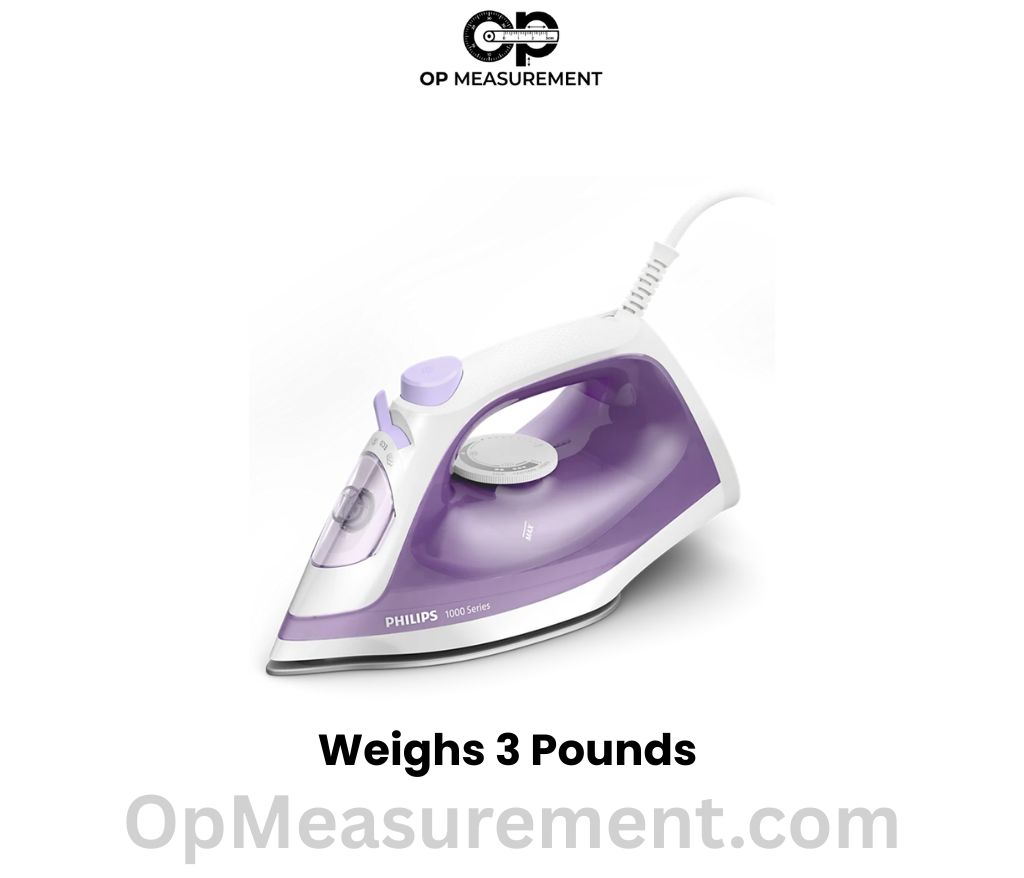
Right around 3 pounds, and intentionally so. Iron manufacturers designed this weight deliberately — heavy enough to press fabric effectively without needing you to push down hard. Every time you iron a shirt, you’re moving a 3-pound object back and forth across fabric dozens of times. That’s why ironing tires your shoulder before your arm.
8. A 13–14 inch everyday laptop
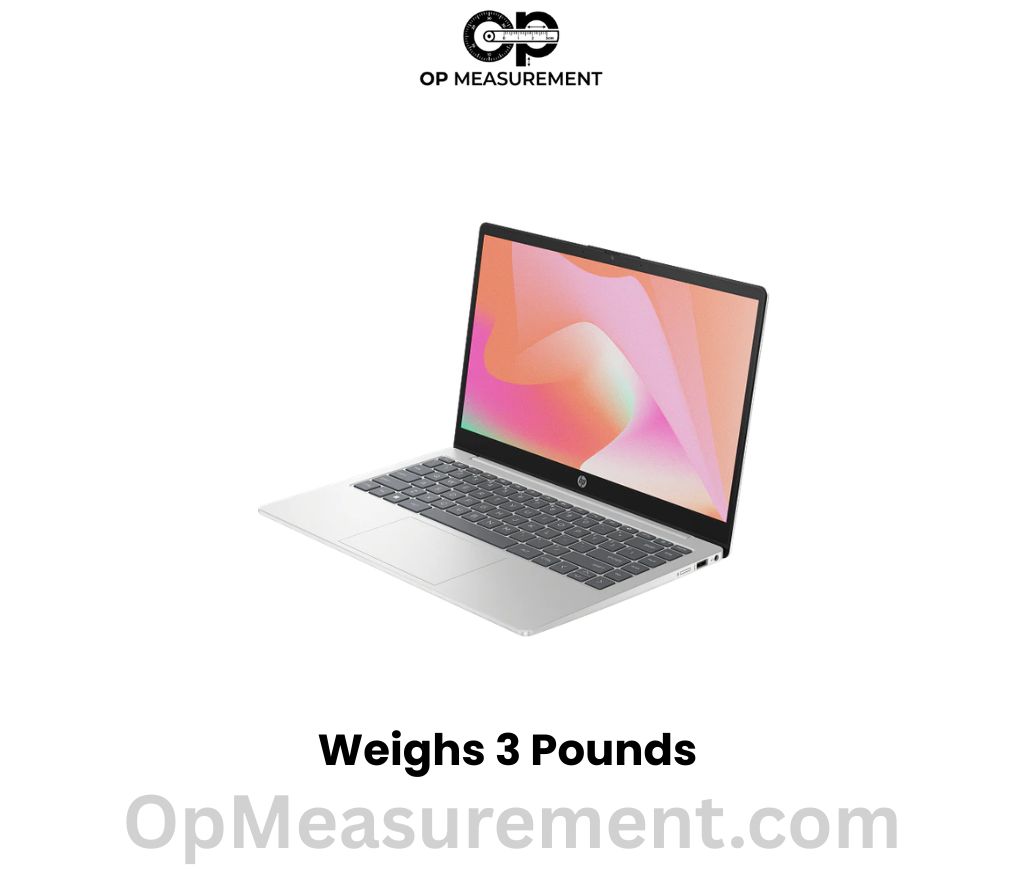
The average carry-everywhere laptop — older MacBook Pros, mid-range Windows machines — weighs between 2.8 and 3.2 pounds. Ultrabooks are lighter. Gaming laptops are heavier. But the laptop most people actually use day to day lives right in this range. When it settles into your bag and you feel that familiar pull on your shoulder, that’s approximately 3 pounds making itself known.
9. A 3-pound dumbbell
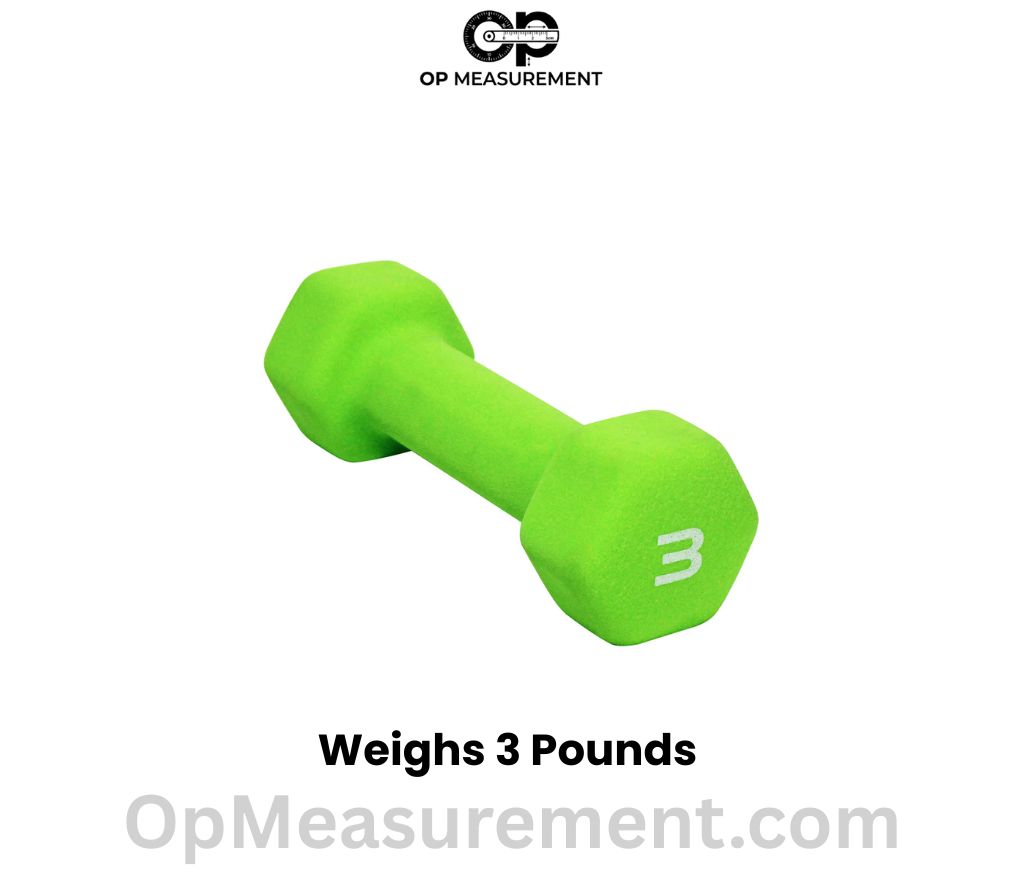
The most literal comparison possible. A 3-pound dumbbell is exactly 3 pounds — that’s the entire point of it. The neoprene-coated version feels slightly larger and softer. The cast-iron version feels smaller and denser. Same weight, different sensation in your hand. Pick up both versions sometime and notice how material changes your perception of mass.
10. The adult human brain
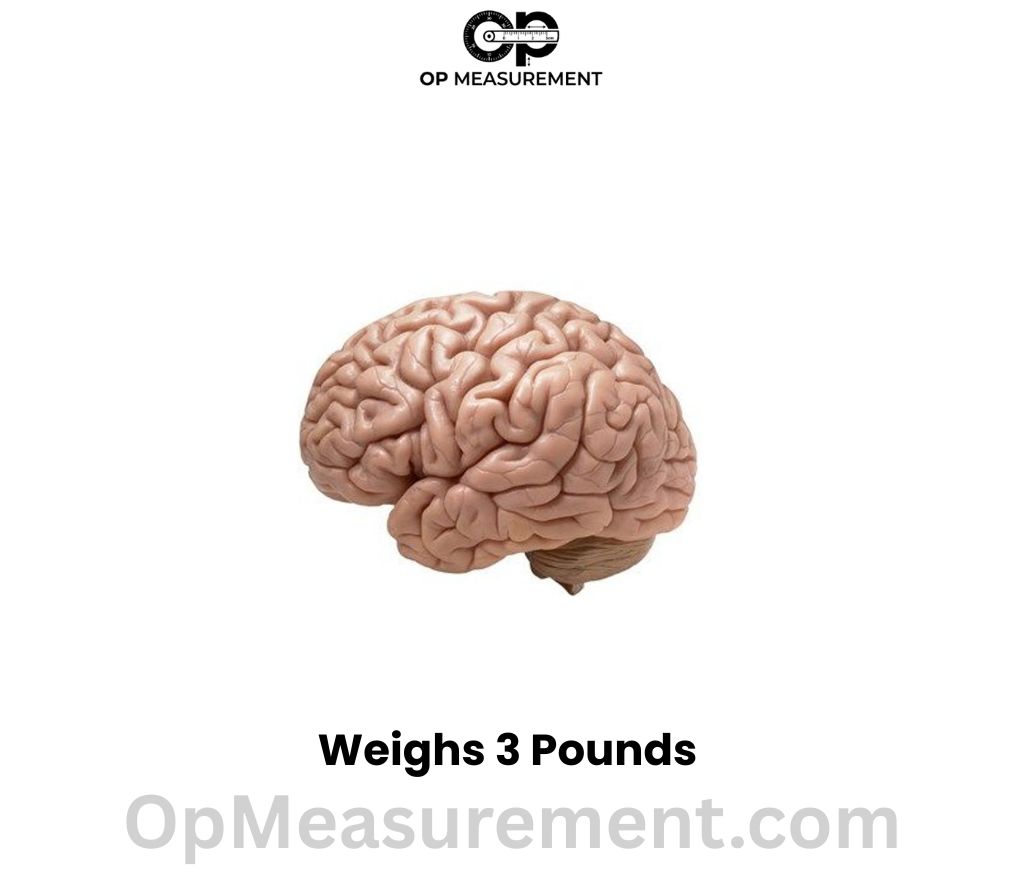
Between 2.8 and 3.1 pounds. Approximately 1.3 to 1.4 kilograms. This number comes from neuroanatomy research — it’s a measured, published average across thousands of specimens. Soft, dense, and fragile in isolation. Every memory you’ve made, every skill you’ve built, every face you recognize — sitting in that 3-pound range. It’s one of those facts that sounds impossible until you think about it long enough.
11. Three packs of 16 oz dry pasta
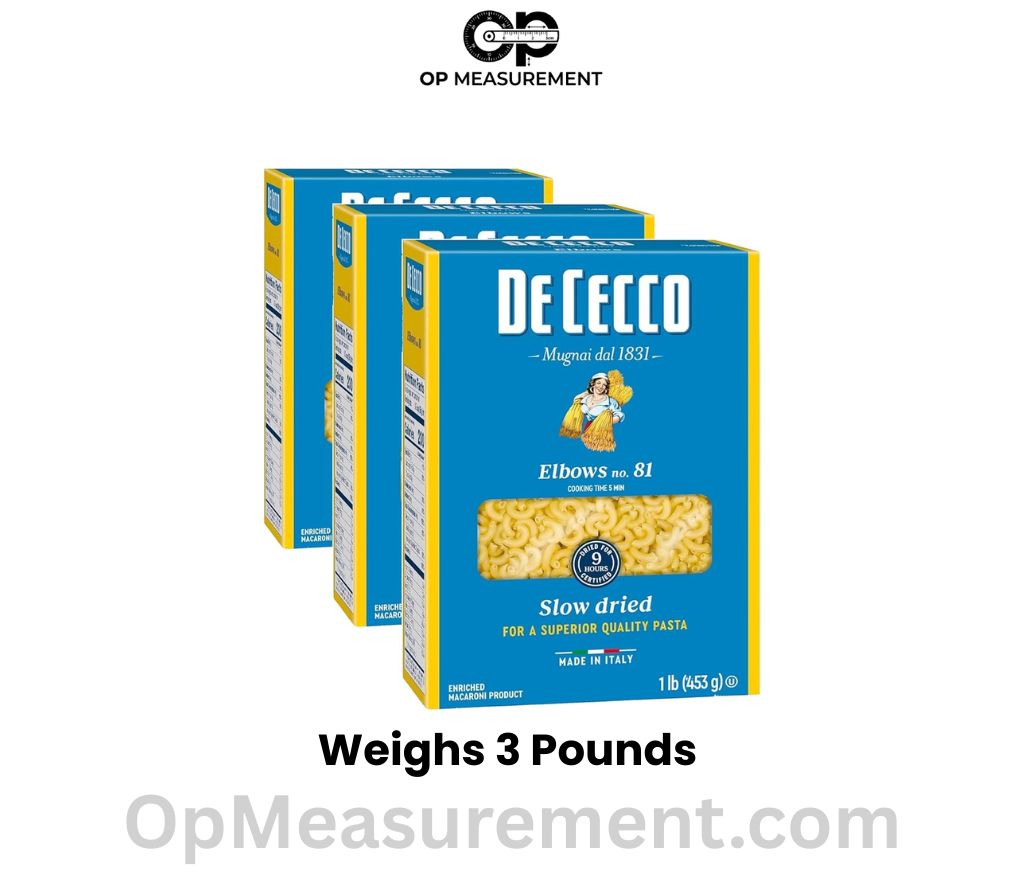
Three boxes of spaghetti or penne from your pantry. Each is one pound, three together is three pounds, no math required. The stack is light-looking for what it weighs — pasta packaging deceives people constantly. This is useful to remember: size and weight don’t always match.
12. A large 48 oz tub of whole-milk yogurt
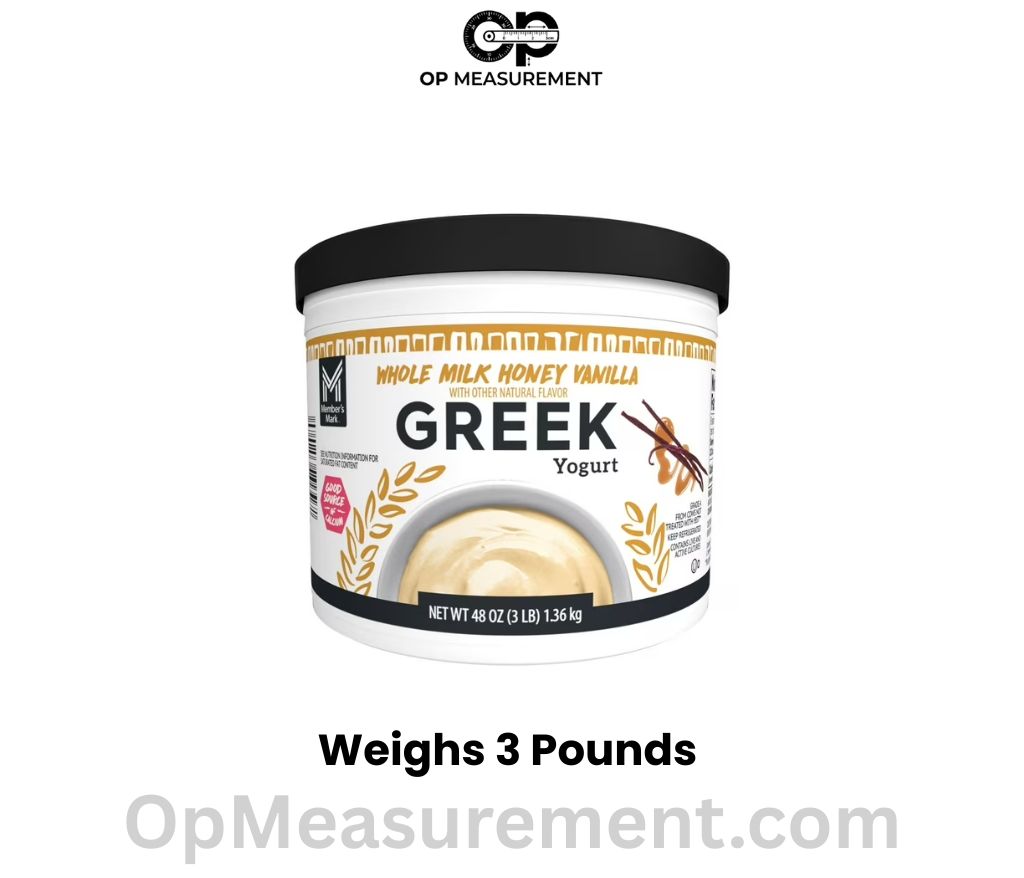
Wide, flat, spreads across your palm rather than concentrating weight in one spot. Whole-milk varieties land right at 3 pounds. The tub feels different from a bag — it distributes the load, which is why it doesn’t feel as heavy as the apple bag even though the scale shows the same number.
13. A weighed three-pound portion of bananas
Three medium bananas do not normally total three pounds. A reliable banana example is a bunch or portion weighed to 3 lb on a kitchen scale. Three separately weighed one-pound portions also total three pounds.
14. A young kitten at 3–4 months
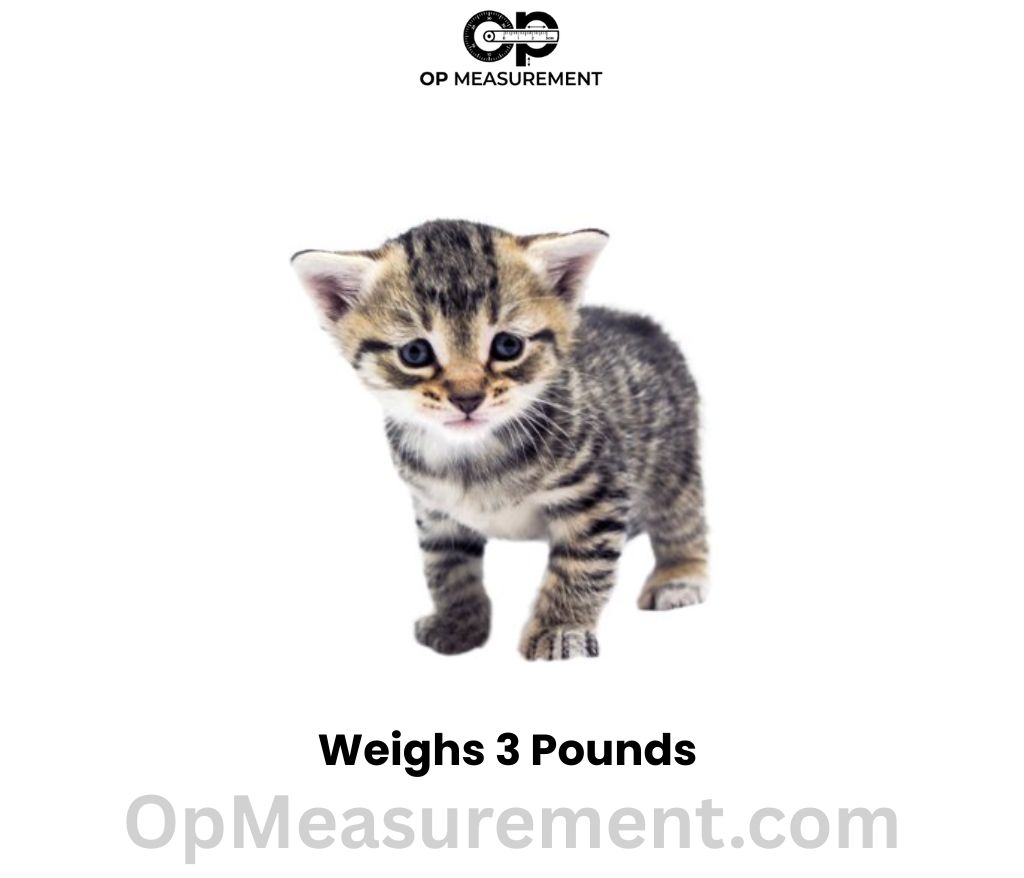
A healthy kitten at this age typically weighs close to 3 pounds. Warm, squirming, surprisingly dense for something that looks so small. Anyone who’s held a kitten at this stage already has this weight stored in their memory — that specific combination of lightness and living weight that’s unlike holding any object.
How to Estimate 3 Pounds Without a Scale
Three cans each labeled 14 to 15 oz contain 42 to 45 ounces of food in total, or about 2.63 to 2.81 pounds. The cans add mass. For a more reliable three-pound comparison, combine three packages labeled 16 oz net weight.
Three pounds is 60% of five pounds. To create a three-pound portion from a five-pound bag, remove a measured two pounds of contents. Two unspecified apples are not a reliable substitute for that measurement.
A dumbbell marked 3 lb can help you recognize this weight. Check the marking: gyms and shops sell many sizes, including lighter ones.
Why Your Brain Lies About 3 Pounds Weight
A 3-pound dumbbell almost always feels heavier than a 3-pound bag of apples. Same weight on the scale. Completely different experience in the hand.
The reason is density. Compact, rigid objects fool your brain into expecting more resistance than they actually produce. Large, soft objects trick you the other way — your brain predicts less weight, so the object surprises you. This perceptual bias is called the size-weight illusion, and it’s one of the most consistent findings in sensory psychology. Knowing it exists makes you a better estimator.
Two Mistakes People Make With 3 Pounds Weight
A 48 oz net-weight label means three pounds of contents. A 48 fl oz label describes volume. Forty-eight US fluid ounces of water weighs about 3.13 pounds, excluding the container; oil and other liquids have different densities.
Reading package labels without checking what they’re measuring. A bottle might say 48 fl oz (volume). A produce bag might say 3 lbs net weight. A food container might list drained weight versus total weight. These are different measurements. When the actual weight matters, read the label carefully — or use a scale.
Read more –
FAQ’s about 3 Pounds
What is the easiest way to picture 3 pounds without a scale?
A 3-pound bag of apples is one of the simplest references because many people have carried one before. A small laptop or household iron can also help you visualize the weight.
Is 3 pounds considered heavy for everyday carrying?
Not for most adults. Three pounds is light enough to carry comfortably in a backpack, tote bag, or by hand during normal daily activities.
Why do some 3-pound objects feel heavier than others?
Weight stays the same, but shape and density affect how your brain perceives it. A compact dumbbell often feels heavier than a bulky bag of fruit, even when both weigh 3 pounds.
Can I estimate 3 pounds using items at home?
Three packages each labeled 1 lb net weight contain three pounds of food. Three peanut-butter jars work only if each is labeled 16 oz net weight; their glass or plastic containers add extra mass.
Is 3 pounds close to 1 kilogram?
Not exactly. Three pounds equals about 1.36 kilograms, so it is slightly heavier than 1 kilogram.
Conversion reference: NIST unit definitions and conversion factors. Rounded values are for comparison; product dimensions and weights should be checked against the specific item.

Vera loves exploring the size and dimensions of everyday objects. She shares practical, visual guides to help readers understand measurements clearly. With a focus on accuracy and usefulness, Vera creates content that informs, engages, and supports learning for all.