2 pounds equals 32 ounces by mass and exactly 0.90718474 kilograms. Use a package labeled 2 lb net weight or a weighed portion as a reference. Packaging adds weight, and household objects vary by size and model. Fluid ounces measure volume, not mass.
Understanding What Weighs 2 Pounds is easier when you compare it to things you already handle every day. Two pounds is not heavy, but it is noticeable in your hand. It equals about 907 grams or 32 ounces and shows up in groceries, household items, tools, and books.
Instead of memorizing numbers, using familiar objects gives you a quick sense of this weight. From a quart of milk to a claw hammer, these examples help you estimate, compare, and recognize two pounds in real life without reaching for a scale.
Quick 2 Pounds Weight Reference Box
| Unit | Value |
| Pounds | 2 lbs |
| Ounces | 32 oz |
| Grams | 907 g |
| Kilograms | 0.907 kg |
Weight conversions follow the International Yard and Pound Agreement (1959), which standardized the pound as exactly 453.59237 grams globally.
Why 2 Pounds Matters in Real Life
You run into this weight more than you think. Grocery bags, kitchen portions, shipping packages, dumbbells, newborn babies — 2 pounds shows up everywhere. Knowing what it feels like without a scale saves you time and keeps you from guessing.
A 2-pound object has a solid, satisfying heft to it. It’s not so heavy that your wrist strains, but it’s definitely not something you’d call “light.” Hold it in one hand and it pulls slightly downward — you feel it without effort.
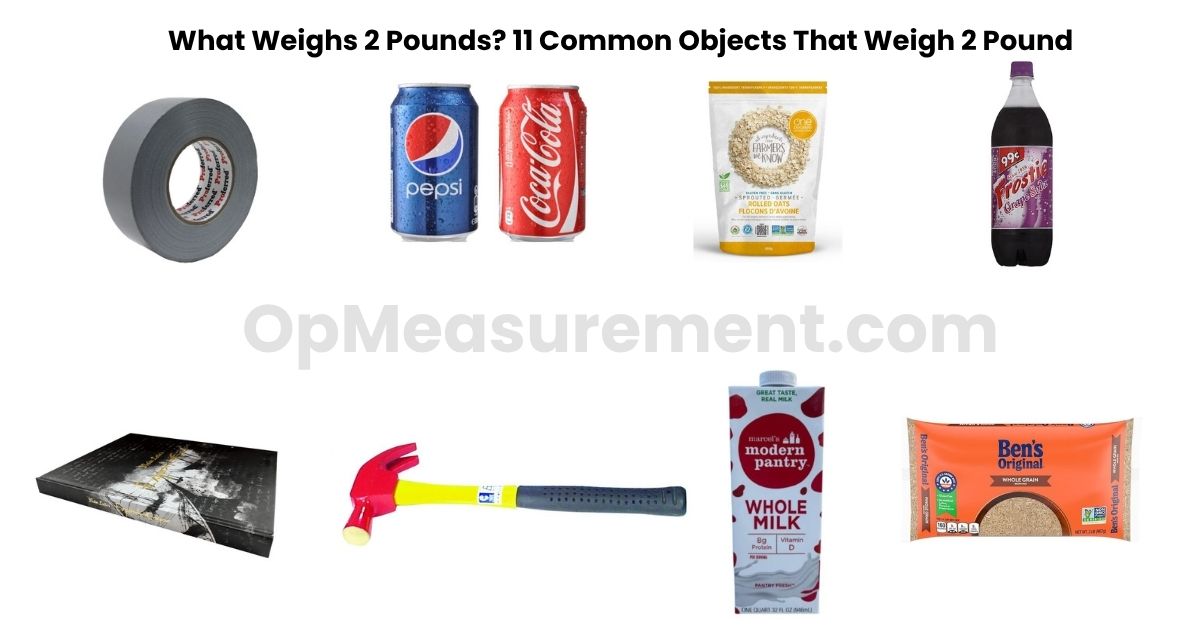
11 Real Things That Weigh 2 Pounds
| Object | Category | Weight |
| Quart of Milk | Food & Drink | ~2.2 lbs |
| Large Pineapple | Food & Drink | ~2 lbs |
| 32 US fl oz Soda Bottle | Food & Drink | Volume label; weigh the filled bottle |
| Box of Dry Pasta | Food & Drink | 2 lbs |
| Bag of Rolled Oats | Food & Drink | 2 lbs |
| Bag of Dry Rice or Beans | Food & Drink | 2 lbs |
| Block of Cheese | Food & Drink | 2 lbs |
| Thick Hardcover Book | Daily Life | ~2 lbs |
| Claw Hammer | Tools | Varies by head, handle, and model |
| Large Roll of Duct Tape | Tools | ~2 lbs |
| Two 12 fl oz Soda Cans | Food & Drink | About 1.63–1.75 lb if each weighs 13–14 oz |
1. A Quart Carton of Milk or Half-and-Half
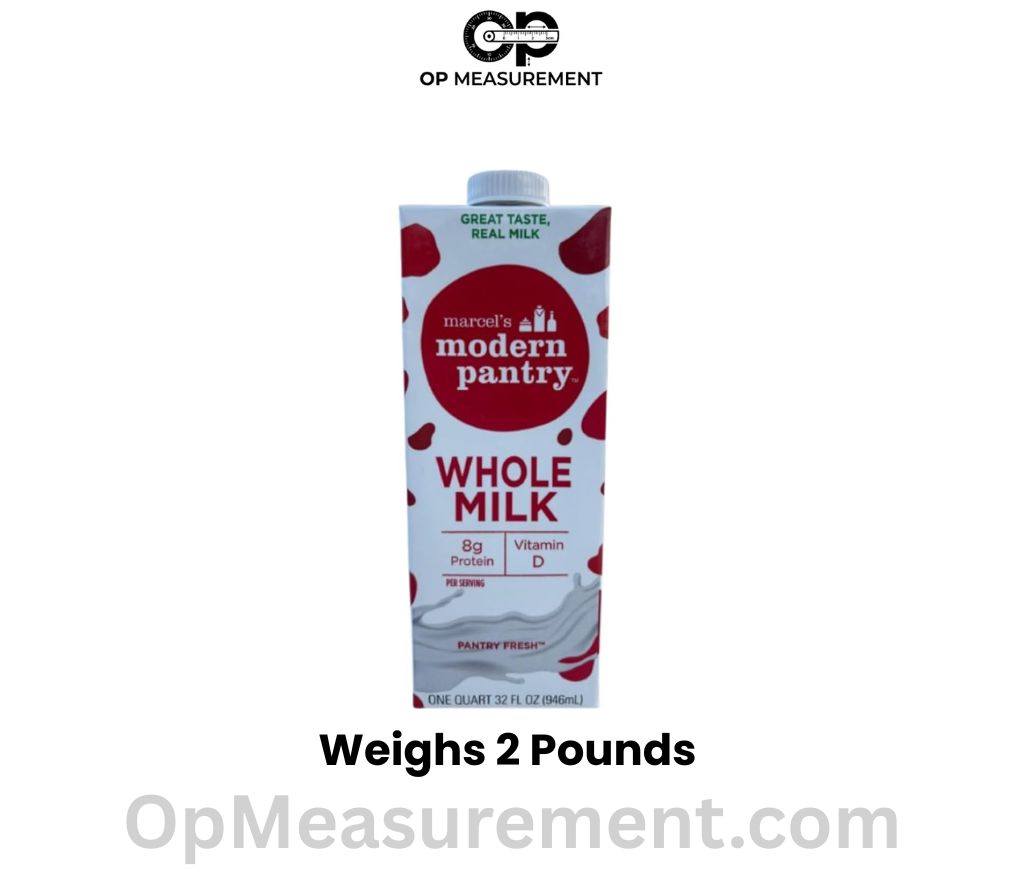
Standard 32 fl. oz. milk cartons come in right around 2.2 pounds with packaging. This is probably the most reliable everyday reference for this weight because refrigerators across most of the world have one.
Pick it up by the handle and you feel the weight swing slightly outward. The contents shift. It doesn’t feel like nothing — it feels like something worth carrying. That swinging, sloshing pull? That’s what 2 pounds feels like when the weight isn’t fixed in one place.
2. A Large Ripe Pineapple
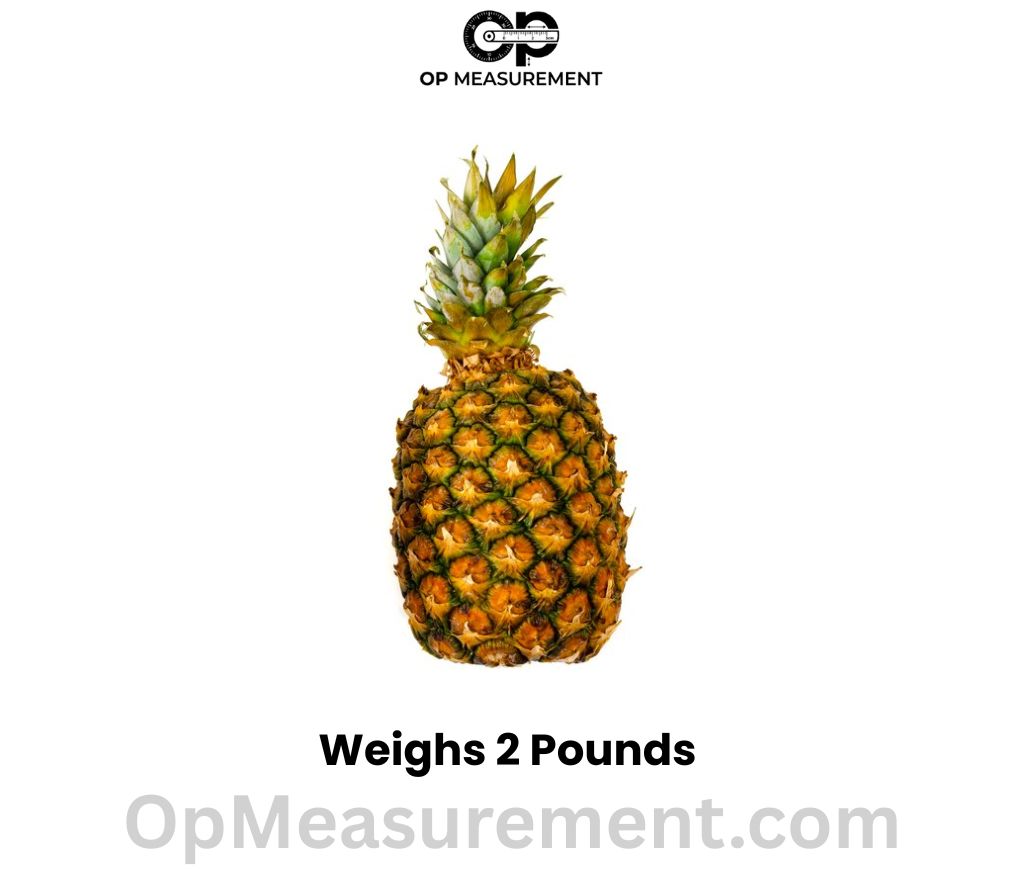
A whole grocery-store pineapple averages right around 2 pounds. The spiky crown, the firm outer shell, the dense core — it all contributes to a weight that surprises people who expect something lighter from a fruit that size.
What makes this a useful reference is the irregular shape. It’s not compact like a block. The weight spreads across a wider surface when you hold it from the bottom, which means the same 2 pounds feels less intense than holding something rigid and concentrated. Same number on a scale, completely different experience in your hand.
3. A 32 oz. Bottle of Soda
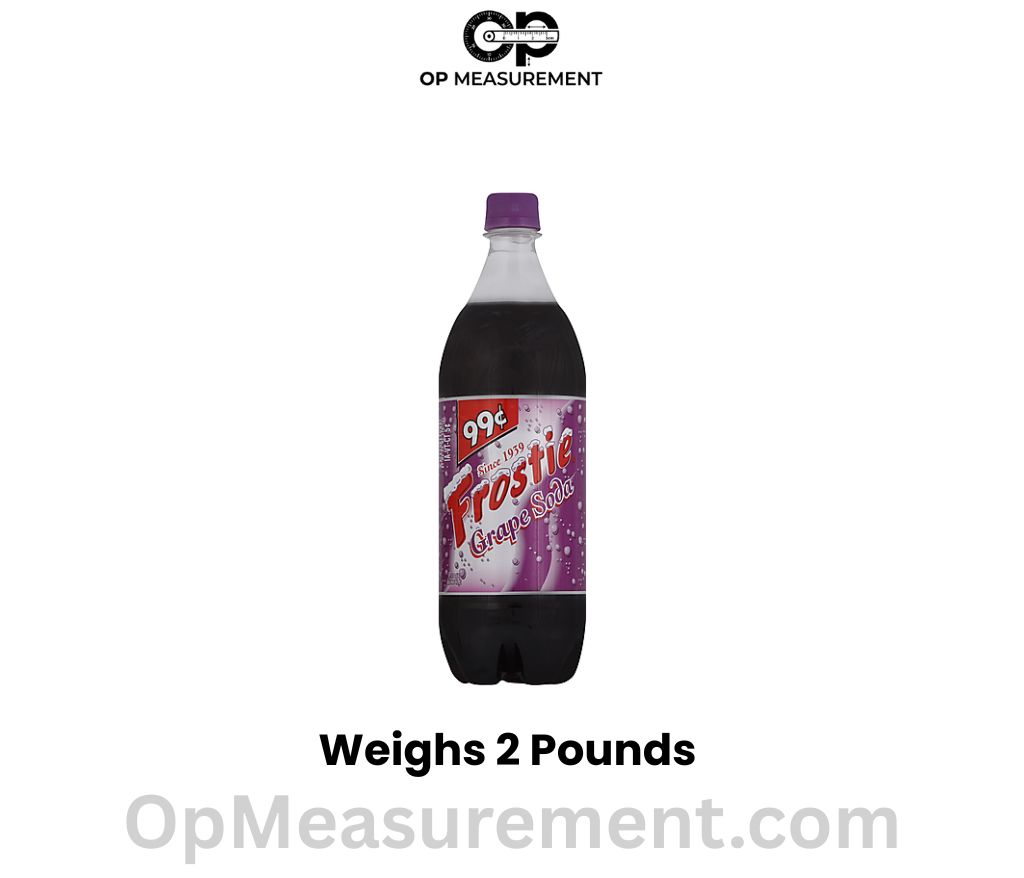
One liter of water weighs about 2.2 pounds, excluding the bottle. Soda weight depends on its ingredients and the container. A 32 US fluid-ounce bottle contains about 946 milliliters, so it should not be described as exactly two pounds.
A filled drink bottle can provide a rough comparison. Weigh it first if you want a two-pound reference; its volume label does not tell you its total mass.
4. A Box of Dry Pasta
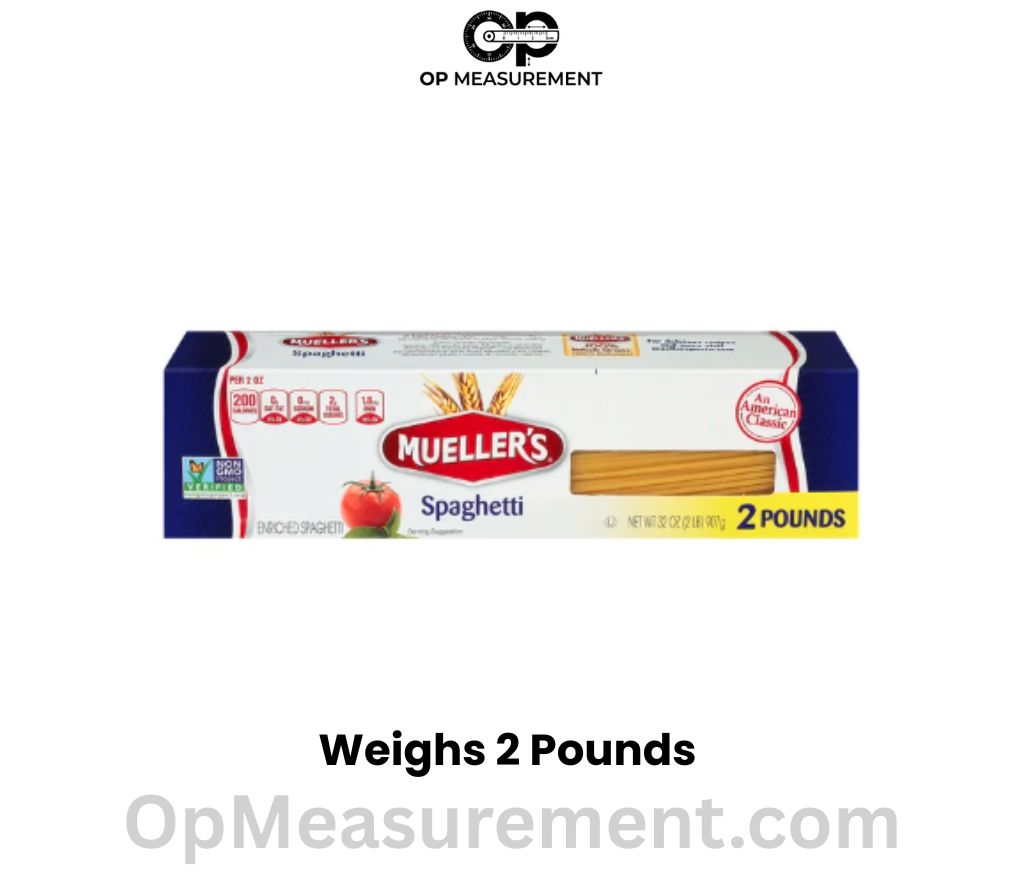
Large boxes of rigatoni, penne, or lasagna noodles are almost always packaged in 2-pound quantities. It’s a standard grocery sizing you’ll find across most major brands without even looking at the label.
The box is deceptively light-looking — flat, rectangular, not very thick. But when you pick it up, the density catches you off guard. Dry pasta is compact weight. It doesn’t move inside the box the way rice or oats do. It just sits there, solid and still. For its size, it weighs more than most people expect.
5. A Bag of Rolled Oats
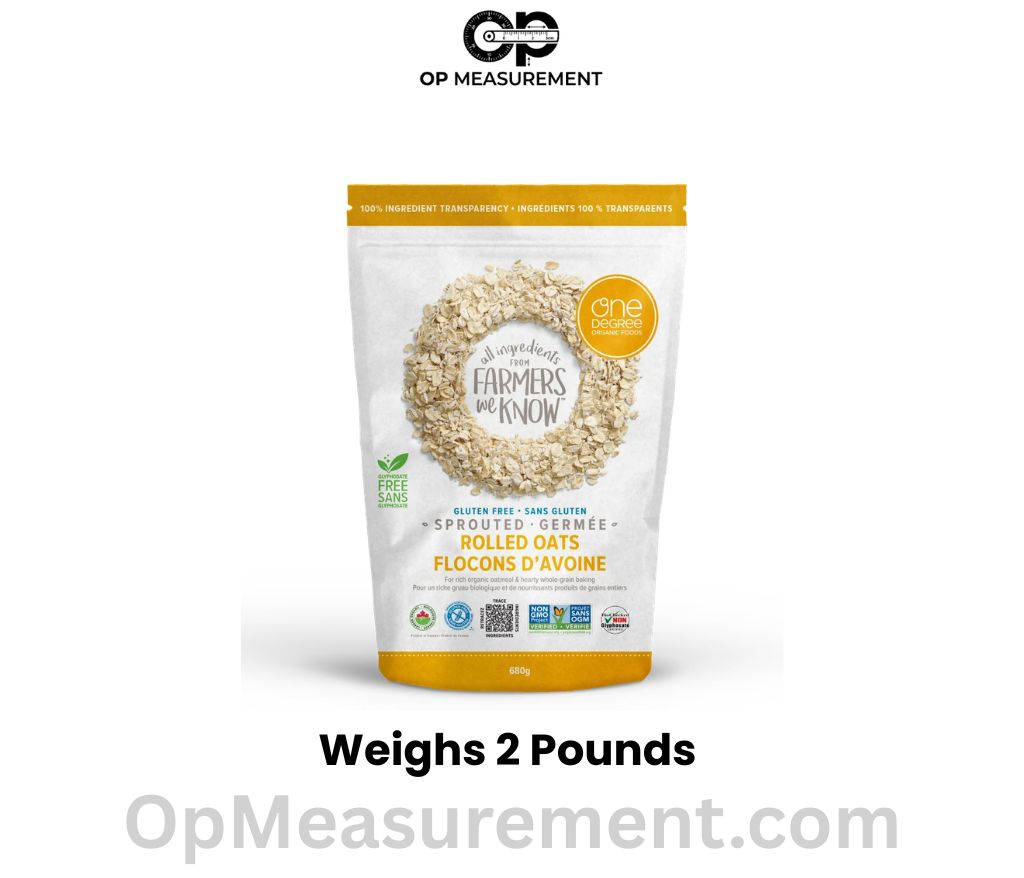
Choose oats labeled 32 oz net weight to get two pounds of oats. Large packages come in several sizes; the bag’s appearance is not a weight specification.
Squeeze a bag of oats and the weight distributes across your whole grip. It’s soft, almost forgiving. The same number as a hammer, but it feels nothing like one. This is a good object to remember if you want to understand how packaging shape changes perceived weight without changing actual weight.
6. A Bag of Dry Rice or Beans
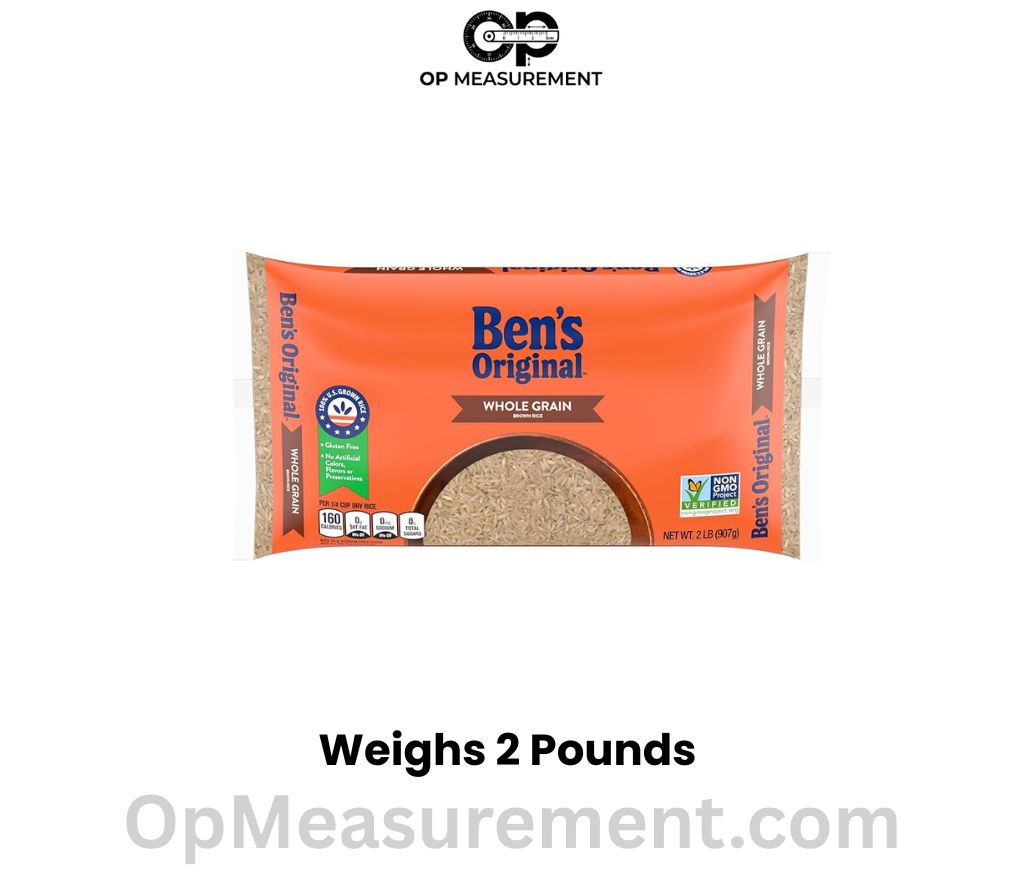
Two-pound bags of dry rice, lentils, or black beans are everywhere in grocery stores. It’s one of the most globally common food-packaging weights, which makes it a reliable mental anchor.
A sealed 2-pound bag of dry rice is compact and flat. The granules shift when you tilt it, so the weight redistributes constantly. Hold it from the bottom and it feels stable. Tip it sideways and the weight slides toward one edge. It’s the same 907 grams either way, but the moving center of gravity makes it feel slightly heavier than it actually is when carried at an angle.
7. A Block of Cheese
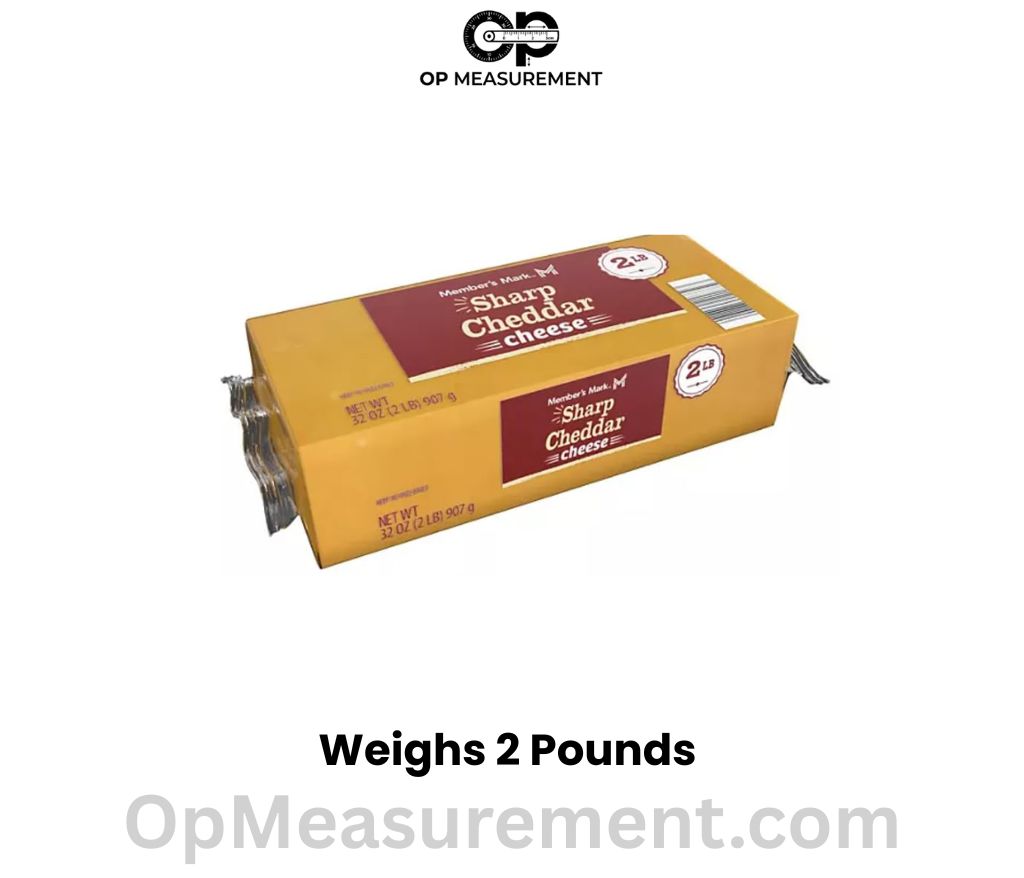
Large deli-style blocks of cheddar, mozzarella, or Colby are regularly sold in 2-pound packages. You’ve probably picked one up without thinking much about it.
A 2-pound block of hard cheese is cool, firm, and completely unyielding. No shifting contents, no soft spots. When you grip it, the weight presses evenly into your palm. It’s one of the cleanest tactile examples of this weight because there’s no movement, no redistribution. What you feel in the first second is exactly what you’ll feel ten seconds later. Compact, real, consistent.
8. A Thick Hardcover Book
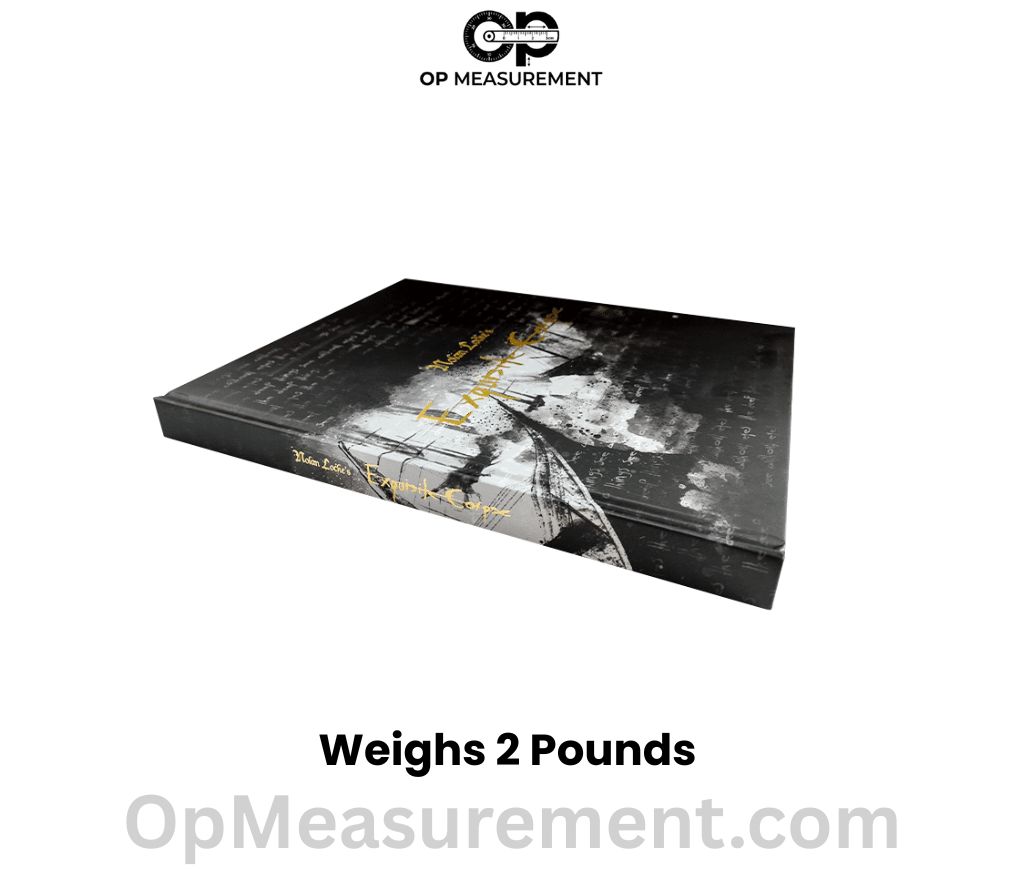
A long hardcover novel — 500 pages or more — lands right around 2 pounds. Think dense fiction, medical references, large cookbooks, or illustrated non-fiction.
The weight here spreads across a wide, flat surface. Holding a heavy book from the spine feels different from cradling it under your arm, which feels different from holding it open in front of your face. The book doesn’t change weight, but the distribution across your hand and wrist shifts dramatically. This is the most shape-sensitive object on this list — 2 pounds that behaves differently depending on how you hold it.
9. A Standard Claw Hammer
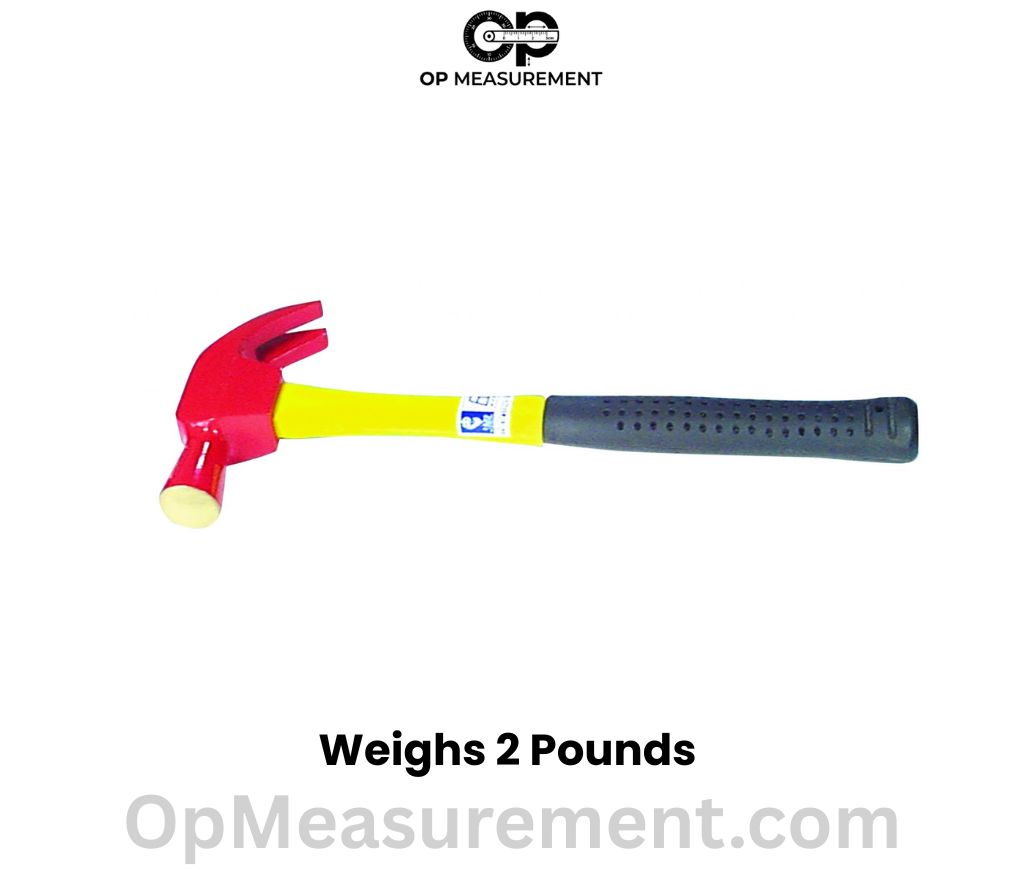
A typical household claw hammer — not a framing hammer, not a tack hammer — weighs 2 pounds. This is the most common weight for general home-repair hammers, and it’s not an accident. At 2 pounds, the head is heavy enough to drive nails effectively without tiring your arm on a full day of work.
Hold one by the handle with the head pointed down. You feel the weight concentrated entirely at the far end — pulling down, pulling outward. Two pounds at the end of a lever feels heavier than 2 pounds in the center of your palm. That’s physics, not perception. The hammer is the sharpest reminder that where weight sits on an object changes how you experience it.
Read more: What Weighs 50 Pounds?
10. A Large Roll of Duct Tape
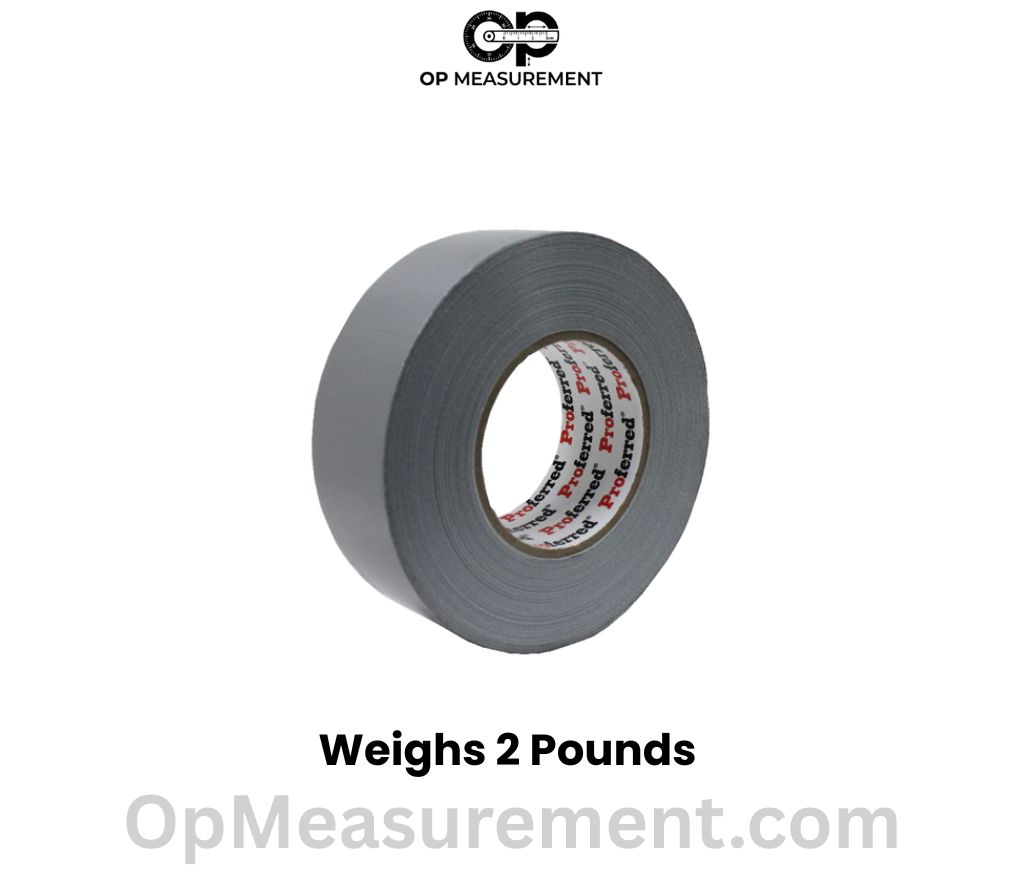
A professional-grade, contractor-style roll of duct tape — the 60-yard wide rolls, not the slim household kind — weighs close to 2 pounds. The tape is wound tightly around a rigid cardboard core, making the roll dense and solid.
Unlike most items on this list, the roll is perfectly balanced. Hold it from the inside of the core and the weight distributes evenly in all directions. It spins freely, sits flat on a surface, and has a firmness that feels almost mechanical. If you’ve ever worked a construction site or moved apartments with the real stuff, you know exactly what this weight feels like.
11. Two Cans of Soda
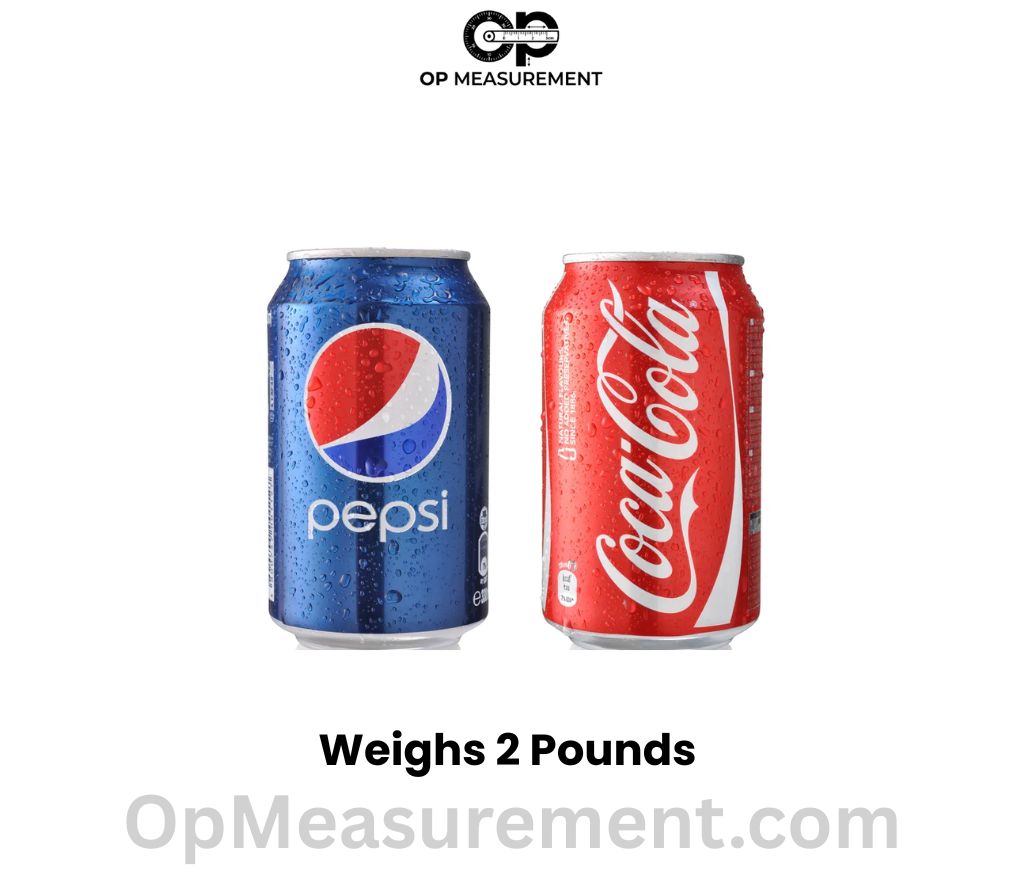
If one filled soda can weighs 13 to 14 ounces, two weigh 26 to 28 ounces, or about 1.63 to 1.75 pounds. That is below two pounds. For a closer reference, use two food packages each labeled 1 lb net weight.
This one is useful precisely because cans are so familiar. You’ve probably lifted two at once when grabbing drinks from the fridge. That casual, single-handed grab — fingers looped through the tops of two cans — that’s 2 pounds. You’ve felt it before without labeling it. Now you know what the number actually corresponds to.
How 2 Pounds Actually Feels
There’s a difference between knowing a number and knowing a weight. Two pounds is what researchers classify as a clearly detectable load — enough to register immediately, not enough to cause strain during normal handling.
Hold 2 pounds in an open palm and your wrist settles within a second or two. No bracing, no two-handed grip. The weight is present without being demanding. Hold it for a minute and your arm stays comfortable. Hold it for five minutes and you start to notice a mild fatigue, especially if your arm is extended.
The feel changes dramatically based on where the weight is centered. A 2-pound hammer with the head at the end of the handle feels heavier than a 2-pound block of cheese sitting flat in your palm — even though a scale would read exactly the same for both. This isn’t a trick. It’s just how human perception works with leverage and contact surface.
How to Estimate 2 Pounds Without a Scale
The water bottle method: Fill a standard 1-liter plastic bottle completely. That’s about 2.2 pounds — close enough for most practical purposes. Compare your unknown item to this, one in each hand.
The pasta box method: Grab a 2-pound box of dry pasta off any grocery shelf and hold your unknown item in the other hand. Your brain is surprisingly good at detecting small differences in weight when comparing simultaneously.
The two-package method: combine two packages each marked 16 oz net weight. Their contents total 32 ounces, which is two pounds; wrappers add a little extra mass.
2 Pounds Weight Conversion
| Unit | Value |
| Pounds | 2 lbs |
| Ounces | 32 oz |
| Grams | 907 g |
| Kilograms | 0.907 kg |
All values based on the International Yard and Pound Agreement (1959), under which one pound equals exactly 453.59237 grams.
Common Estimation Mistakes Weighing 2 Pounds
Letting volume mislead you. A large puffy bag of chips looks like it could weigh 2 pounds. It weighs maybe 3 ounces. Visual size and actual weight are unrelated until you’ve handled enough objects to train your instincts. A 2-pound brick of cheese and a 2-pound bag of oats look completely different but register identically on a scale.
Assuming all “large” grocery items weigh the same. Not every large pineapple is 2 pounds. Some run 1.4, some hit 3. The examples here are averages across many samples. When precision matters, use a scale. When you need a fast gut-check reference, these objects work well.
Holding with two hands when testing one. Your brain estimates weight differently depending on grip. One hand gives you a cleaner signal than two hands cradling something underneath. To compare weights accurately by feel, use the same grip on both items, in each hand simultaneously.
Read more –
Questions Worth Answering
How can I quickly tell what 2 pounds feels like?
A package marked 2 lb of rice, pasta, or another dry food gives a simple reference. A quart of milk or one liter of water is only an approximation and includes additional container weight when lifted.
Why do some 2-pound objects feel heavier than others?
Weight stays the same, but balance and shape change how it feels. A hammer concentrates weight at one end, while a block of cheese spreads it evenly across your hand.
Is 2 pounds considered heavy?
For most adults, 2 pounds is a light-to-moderate weight. You can comfortably carry it in one hand, though holding it for several minutes may cause mild arm fatigue.
What household items are closest to exactly 2 pounds?
A large pineapple, a 2-pound bag of rice, a 2-pound block of cheese, a thick hardcover book, and many standard claw hammers are all close to this weight.
Can I estimate 2 pounds without a scale?
Compare an item with a known two-pound package for a rough estimate. A scale is needed for accurate weighing; two ordinary soda cans are usually lighter than two pounds.
One last thing worth trying: hold a 2-pound object in each hand at the same time. Same weight, twice. That bilateral comparison sharpens your sense of the weight faster than any single-item test. Your brain works better when it has something to compare against.
Compare this with What Weighs 3 Pounds?
Conversion reference: NIST unit definitions and conversion factors. Rounded values are for comparison; product dimensions and weights should be checked against the specific item.

Vera loves exploring the size and dimensions of everyday objects. She shares practical, visual guides to help readers understand measurements clearly. With a focus on accuracy and usefulness, Vera creates content that informs, engages, and supports learning for all.