The deposit for a house is usually the biggest upfront cost of buying, and the most common question is how much is enough. For most buyers in the UK, the answer starts at 5% of the price.
This guide explains what different deposit sizes mean in pounds, how they affect your mortgage, and where the money can come from. It also covers the extra costs that sit on top of the deposit.
Mortgage products and scheme rules change regularly. Use the examples here to plan, then confirm the current position with lenders or official guidance before you apply.
How Much Deposit Do You Actually Need?
The minimum deposit most lenders accept is 5% of the purchase price, which means borrowing 95% of the value. These deals exist, but they come with higher interest rates and stricter checks.
Many buyers aim for 10% or 15%, because crossing each loan-to-value band usually unlocks cheaper rates. There is no single correct figure; it depends on prices in your area and how long saving would take.
What a 5% Deposit Means in Practice
A 5% deposit gets you onto the ladder sooner, which can matter when prices are rising. The trade-off is a larger loan, higher monthly payments and less protection if prices dip.
The government’s mortgage guarantee scheme supports lenders offering 95% mortgages, so these products are widely available. Even so, compare the total cost against waiting to reach 10%.
What a 10% or 15% Deposit Changes
At 10%, you enter the 90% loan-to-value band, where rates typically drop and more lenders compete for your application. At 15%, the improvement is smaller but still noticeable on monthly payments.
Understanding how loan-to-value works helps you see why saving a little more can pay off. Each 5% step down in borrowing usually moves you into a cheaper pricing band.
Why a 20% or 25% Deposit Gets Better Rates
Lenders price risk, and a borrower with 20% or 25% equity is a safer bet than one with 5%. The cheapest headline rates are normally reserved for deposits of 25% or more.
A bigger deposit also cushions you against price falls, reducing the risk of owing more than the home is worth. That protection matters most in the first few years of ownership.
Worked Examples at Different Price Points
The table below shows what common deposit percentages look like in cash terms at three example price points.
| Property price | 5% | 10% | 15% | 20% | 25% |
|---|---|---|---|---|---|
| £200,000 | £10,000 | £20,000 | £30,000 | £40,000 | £50,000 |
| £250,000 | £12,500 | £25,000 | £37,500 | £50,000 | £62,500 |
| £300,000 | £15,000 | £30,000 | £45,000 | £60,000 | £75,000 |
These are simple percentage calculations, not predictions of prices in your area. Check recent sold prices for the streets you are considering before fixing your target.
Where the Deposit Money Can Come From
Most deposits come from savings, investments or the proceeds of a previous sale. Lenders will ask for evidence of where the money came from, as part of anti-money-laundering checks.
Keep a clear paper trail: bank statements showing the build-up of savings make the application smoother. Moving money between accounts is fine, as long as you can show the trail.
Gifted Deposits: What Lenders Ask For
Many buyers receive help from parents or relatives, known as a gifted deposit. Lenders usually require a signed letter confirming the money is a gift, not a loan, and that the giver claims no stake in the property.
If the money must be repaid, it counts as a debt and can reduce how much you can borrow. Be honest about the arrangement from the start, because lenders treat undisclosed loans seriously.
Schemes That Reduce the Deposit You Need
Shared ownership reduces the deposit because you only need one on the share you buy, which can start as low as 10% of the property’s value. You pay rent on the remaining share.
A Lifetime ISA can also shrink the cash you must find yourself, thanks to the 25% government bonus on savings of up to £4,000 a year. First Homes discounts in England lower the price itself, which lowers the deposit with it.
The Other Costs on Top of Your Deposit
Your deposit is not the only cash you need. Budget for conveyancing fees, a survey, mortgage arrangement fees, moving costs and buildings insurance from completion day.
Depending on the price, you may also owe property tax. First-time buyers should check stamp duty relief for first-time buyers before assuming nothing is due, because relief stops above set thresholds.
How to Build Your Deposit Faster
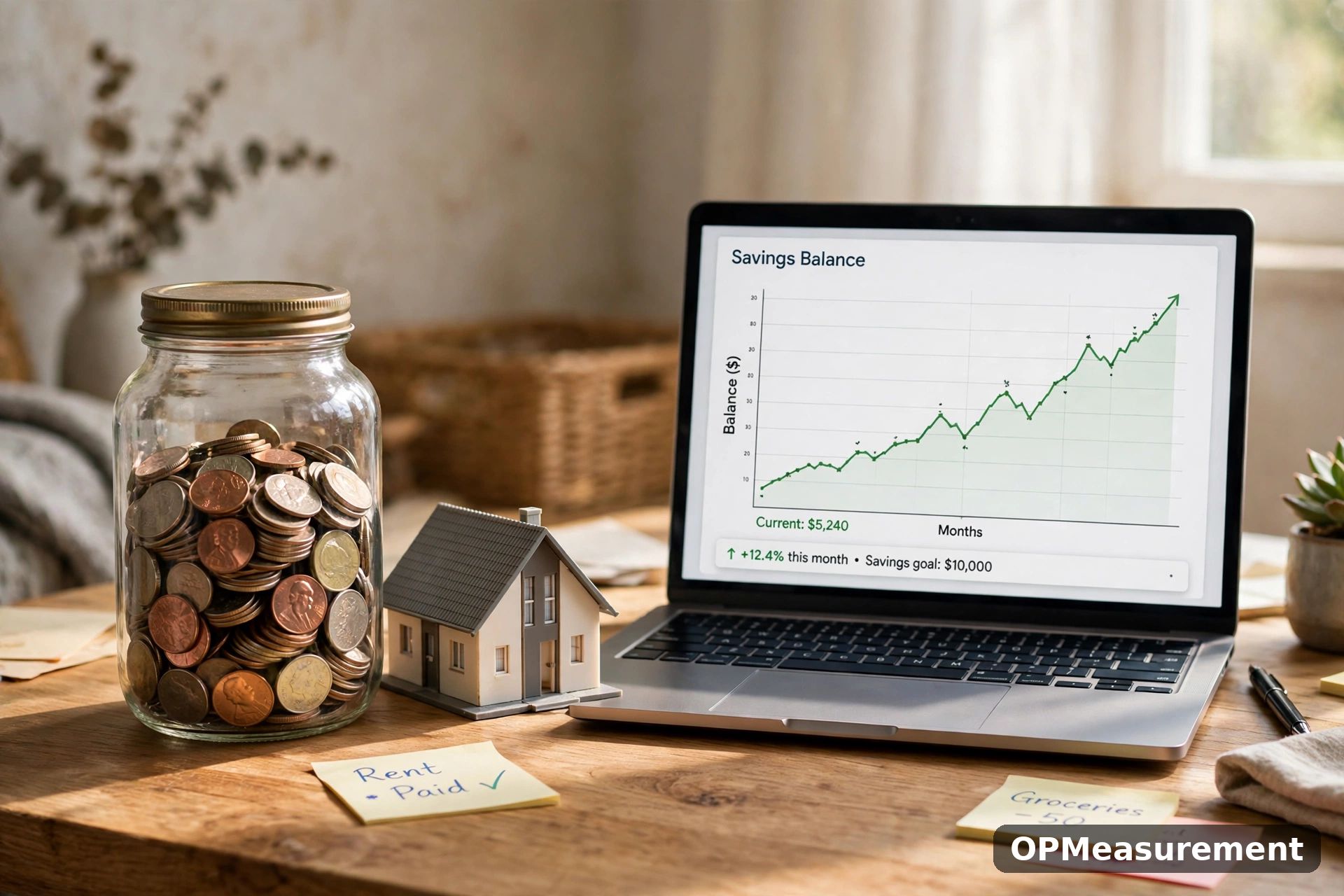
Set a monthly savings target and pay it into a separate account on payday, before spending starts. Small, automatic transfers build the habit and keep the money out of reach.
- Cut one or two regular subscriptions and redirect the same amounts.
- Review bills such as broadband, insurance and energy at renewal.
- Put bonuses, overtime or tax refunds straight into the deposit account.
Review your target every few months against local prices. If prices move faster than your savings, adjusting the area or property type may beat waiting indefinitely.
Frequently Asked Questions
Is a 5% deposit enough to buy a house?
Yes, many lenders offer 95% mortgages, so 5% can be enough. Expect higher rates and stricter affordability checks, and remember you still need cash for fees and moving costs.
Does a bigger deposit always mean a better mortgage?
Usually, yes: lower loan-to-value bands carry lower rates and wider choice. The gains shrink beyond about 25%, so keeping some savings back for emergencies is sensible.
Can my deposit come from family?
Yes, gifted deposits from close family are widely accepted. The giver normally signs a letter confirming it is a gift with no repayment expected and no claim on the property.
How much should I keep back after paying the deposit?
Keep an emergency buffer for repairs, bills and moving surprises. Emptying every account to maximise the deposit leaves you exposed in the first months of ownership.
Conclusion
For most UK buyers, a deposit between 5% and 20% is realistic, with better rates as the percentage grows. Work out your figure from real local prices, save towards it steadily, and keep the extra buying costs in the same plan.