Learning how to buy your first home in the UK can feel overwhelming, because the process has several stages and each one involves different professionals. The good news is that the steps follow a logical order.
This guide walks through the whole journey, from working out your budget to collecting the keys. It also explains the schemes that exist to help first-time buyers onto the ladder.
Rules and thresholds change over time, so treat the figures mentioned here as a starting point. Always check the current official guidance before you commit to a decision.
What Counts as a First-Time Buyer in the UK
A first-time buyer is generally someone who has never owned a residential property, in the UK or anywhere else. That definition matters because it decides your eligibility for reliefs and schemes.
If you have inherited a property, or owned one abroad, you usually no longer count as a first-time buyer. Couples buying together normally both need to qualify for first-time buyer schemes and reliefs.
Step 1: Work Out What You Can Afford
Lenders assess affordability by looking at your income, regular spending, debts and the cost of running the home. Many use a rough multiple of income as a starting point, but the final figure is individual.
Build your own budget first, including council tax, bills, insurance and travel. Knowing your comfortable monthly limit stops you stretching for a property that leaves nothing spare.
Step 2: Save Your Deposit and Buying Costs
Most first-time buyers put down between 5% and 20% of the purchase price. A bigger deposit usually means a wider choice of mortgages and lower interest rates.
If you are aged 18 to 39, a Lifetime ISA lets you save up to £4,000 a year towards a first home, topped up by a 25% government bonus.
Read how the Lifetime ISA works carefully before opening an account. The bonus has conditions, including a property price cap and a minimum holding period.
Step 3: Check Your Credit File Early
Lenders check your credit history when you apply, and errors or old debts can reduce your chances. Checking early gives you time to fix mistakes and pay down balances.
You can check your credit report for free with each of the main agencies. Simple steps, like registering on the electoral roll, can also help your file.
Step 4: Get a Mortgage Agreement in Principle
An agreement in principle is a lender’s early indication of how much it might lend you, based on basic checks. It is not a guarantee, but estate agents often ask for one.
Having one before you view homes shows sellers you are serious. It also confirms your price range, so you do not fall for a property outside your budget.
Step 5: Start Viewing Homes
View in person whenever you can, and visit at different times of day if possible. Check the things listings rarely show: noise, parking, phone signal, water pressure and signs of damp.
Keep notes on each property and compare them against your must-have list. A home that looks perfect online can feel very different once you stand inside it.
Step 6: Make an Offer
When you find the right home, you make an offer through the estate agent. In England, Wales and Northern Ireland, an accepted offer is not legally binding until contracts are exchanged.
Do not be afraid to offer below the asking price if the property needs work or similar homes sold for less. The agent passes your offer to the seller, who can accept, reject or negotiate.
Step 7: Apply for the Mortgage and Book a Survey
Once your offer is accepted, you submit the full mortgage application. The lender checks your documents in detail and arranges a valuation to confirm the property is worth the price.
A valuation is not a survey, so many buyers also pay for an independent survey. A survey can flag structural problems, damp or roof issues before you are committed.
Step 8: Conveyancing, Exchange and Completion
A solicitor or conveyancer handles the legal work: searches, enquiries and the contract. This stage often takes several weeks, and chains of linked sales can slow things down.
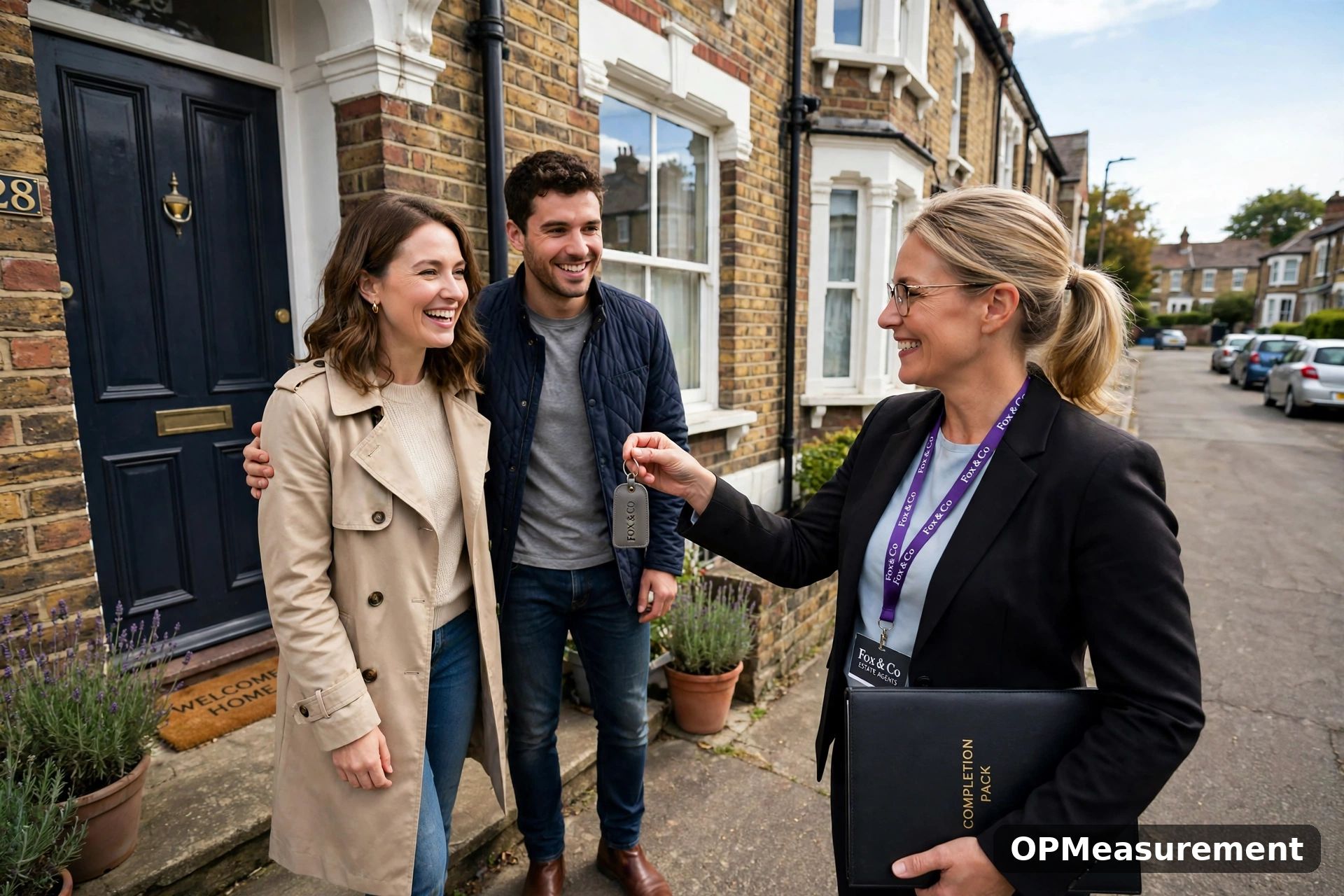
At exchange of contracts, you pay the exchange deposit and the sale becomes legally binding. On completion day, the remaining money is transferred and you collect the keys.
Schemes That Can Help First-Time Buyers
Several schemes exist alongside standard mortgages. Shared ownership lets you buy a share of a home, often between 10% and 75% of its value, and pay rent on the rest.
The First Homes scheme offers eligible first-time buyers in England a discount of at least 30% on certain new-build homes. The government’s official home-buying guidance explains which schemes currently run in your area, because availability changes.
Each scheme has its own eligibility rules, property caps and resale conditions. Compare the long-term costs carefully, not just the smaller deposit at the start.
Buying in Scotland, Wales and Northern Ireland
Scotland uses a different legal process, where offers are usually made formally through a solicitor and homes are often marketed at “offers over” a starting price. Once missives conclude, the sale becomes binding much earlier.
Wales and Northern Ireland broadly follow the England process, but taxes and local schemes differ. Wales charges land transaction tax, while Scotland charges land and buildings transaction tax instead of stamp duty.
Frequently Asked Questions
How long does buying a first home usually take?
From offer to completion often takes around three to four months, though chains and local searches can extend it. Saving, mortgage approval and viewing time come on top of that.
How much deposit do I need as a first-time buyer?
Some lenders accept 5% deposits, but 10% or more opens up more deals and lower rates. The right figure depends on property prices where you are buying and your monthly budget.
Do I have to pay stamp duty on my first home?
First-time buyers in England and Northern Ireland currently get relief on homes up to £500,000, paying no stamp duty on the first £300,000. Thresholds change, so check the current rates before you budget.
Can I buy with a partner who has owned before?
You can buy together, but schemes and tax reliefs usually require every buyer to be a first-time buyer. If one partner has owned property before, first-time buyer benefits are normally lost.
Conclusion
Buying your first home is a sequence of manageable steps: budget honestly, save steadily, check your credit, and take advice at each stage. Preparation makes the process slower to start but far smoother to finish.