6 inches equals exactly 15.24 centimeters. Compare the dimension described below, rather than assuming every object has a standard size. Screen sizes refer to the diagonal, not width or height. A ruler or tape measure gives a more reliable result than hand or body estimates.
Half a foot. That’s 15.24 centimeters — or, more usefully, about the distance from the base of your palm to the tip of your middle finger. Most adults carry a built-in 6-inch ruler on their hand and never use it.
This guide doesn’t just give you the conversion. It gives you the physical reality — objects you’ve already touched, tricks that work without tools, and the one measurement mistake that almost everyone makes at this size.
6 inches Quick Conversion
One inch is fixed at 25.4 mm by the International Yard and Pound Agreement of 1959. That’s not a rounded figure — it’s a legally defined constant used by the US, UK, Canada, and Australia. Multiply by 6 and the chain stays exact.
| Unit | Exact Value | Anchor It To |
|---|---|---|
| Inches | 6.000 in | Half a 12-inch ruler |
| Centimeters | 15.24 cm | Just past the 15 cm line |
| Millimeters | 152.4 mm | Caliper-precise, no rounding |
| Feet | 0.500 ft | Exactly half a foot |
| Meters | 0.1524 m | About a sixth of a meter |
The “just past 15 cm” detail matters. People measuring in centimeters often round 15.24 down to 15 and end up 2.4 mm short. In woodworking or framing, that gap causes real problems.
Where 6 Inches Sits on a Ruler
Dead center — and marked that way on purpose. The 6-inch tick on a standard 12-inch ruler is printed taller than the surrounding marks, with a larger numeral. Ruler manufacturers do this deliberately so the midpoint jumps out visually. You’ll notice it immediately once you look for it.
On the centimeter side of the same ruler, 6 inches lands at 15.24 cm — a small but measurable gap past the 15 cm line. That gap is 2.4 millimeters. Smaller than a pencil eraser. Large enough to matter if you’re cutting something precisely.
How 6 Inches Feels in the Hand
Press your four fingers flat — index through pinky — and measure the span across the bottom knuckles. For most adults this runs between 5.5 and 6.5 inches. The majority land right at 6.
Test your own hand against a ruler once. That’s all it takes. After that, your knuckle span becomes a calibrated personal reference available in any hardware store, fabric shop, or kitchen — no tool bag required. Women’s hands tend toward the lower end of the range. Larger male hands sit closer to the upper end. Know your number.
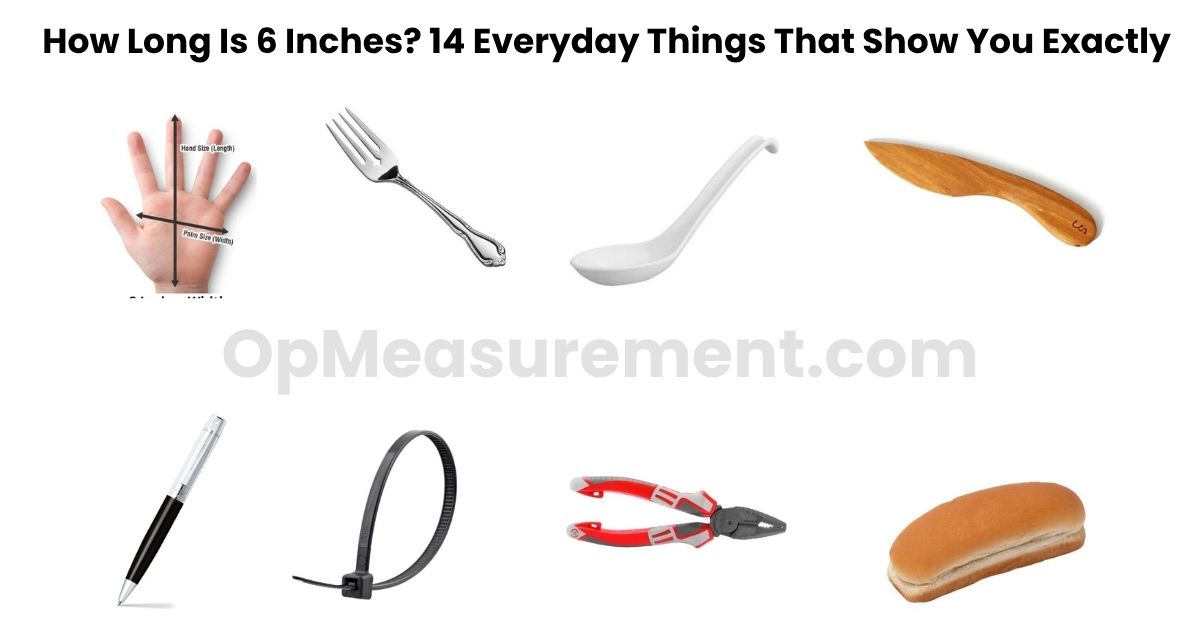
14 Daily Objects That Are 6 Inches Long
| Object | Category | Dimension |
| Hot Dog Bun | Food | 6 inches |
| Capped Ballpoint Pen | Stationery | ~6 inches |
| Paperback Book Width | Daily Life | 6 inches |
| Soup Spoon | Kitchen | ~6 inches |
| Subway 6-Inch Sub | Food | 6 inches |
| Butter Knife | Kitchen | ~6 inches |
| Dessert Fork | Kitchen | ~6 inches |
| Medium Zip Tie | Tools / DIY | 6 inches |
| Pocket Pliers | Tools / DIY | 6 inches |
| Sharpened Wooden Pencil | Stationery | ~6 inches |
| Pocket Ruler | Tools / Stationery | Exactly 6 inches |
| Adult Palm Width | Human Body | ~6 inches |
| Kitchen Spatula Handle | Kitchen | ~6 inches |
| Paperback Novel Spine Height | Daily Life | ~6 inches |
1. Hot Dog Bun
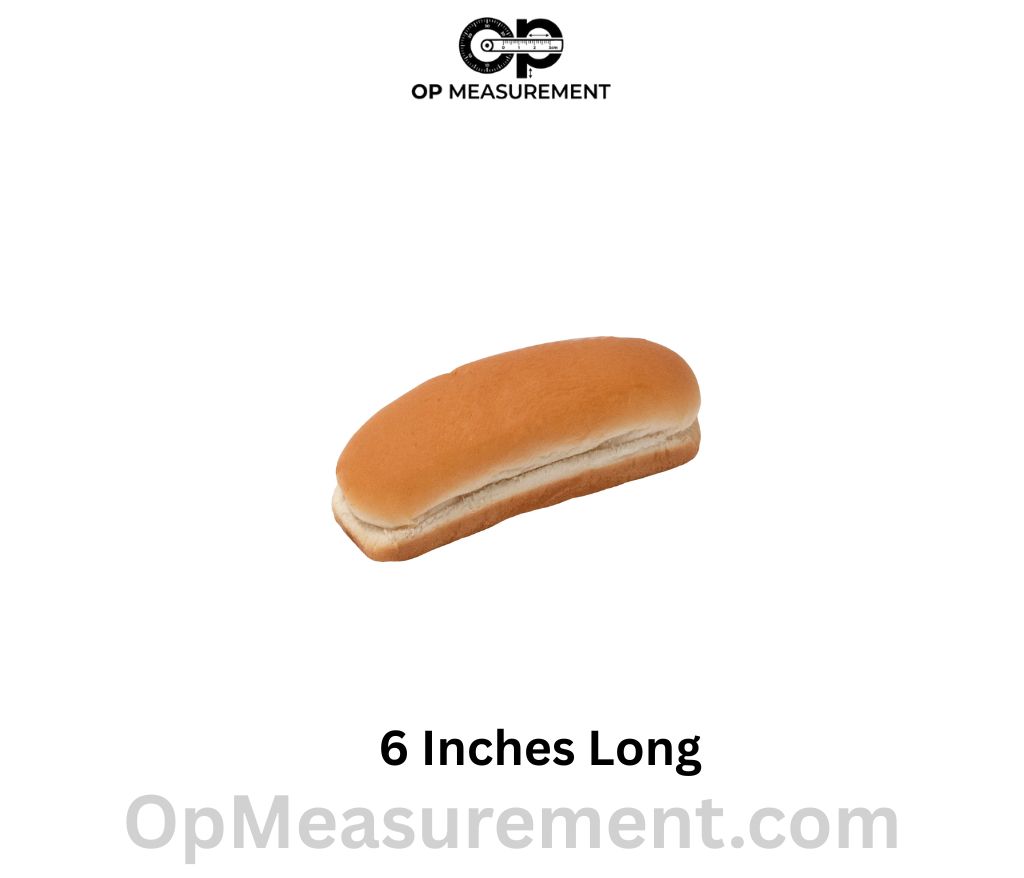
Standard hot dog buns from major grocery brands are 6 inches long. Not an estimate — the hot dog and bun industries coordinate this deliberately so neither the meat nor the bread overhangs the other at the consumer level.
Lay one flat on a counter. Pick it up. That length filling your hand, slightly compressible at the sides, just barely fitting in a closed grip — that’s what 6 inches feels like in something soft. It also underscores that 6 inches isn’t small. It spans your entire hand from heel to fingertip.
2. A Capped Ballpoint Pen
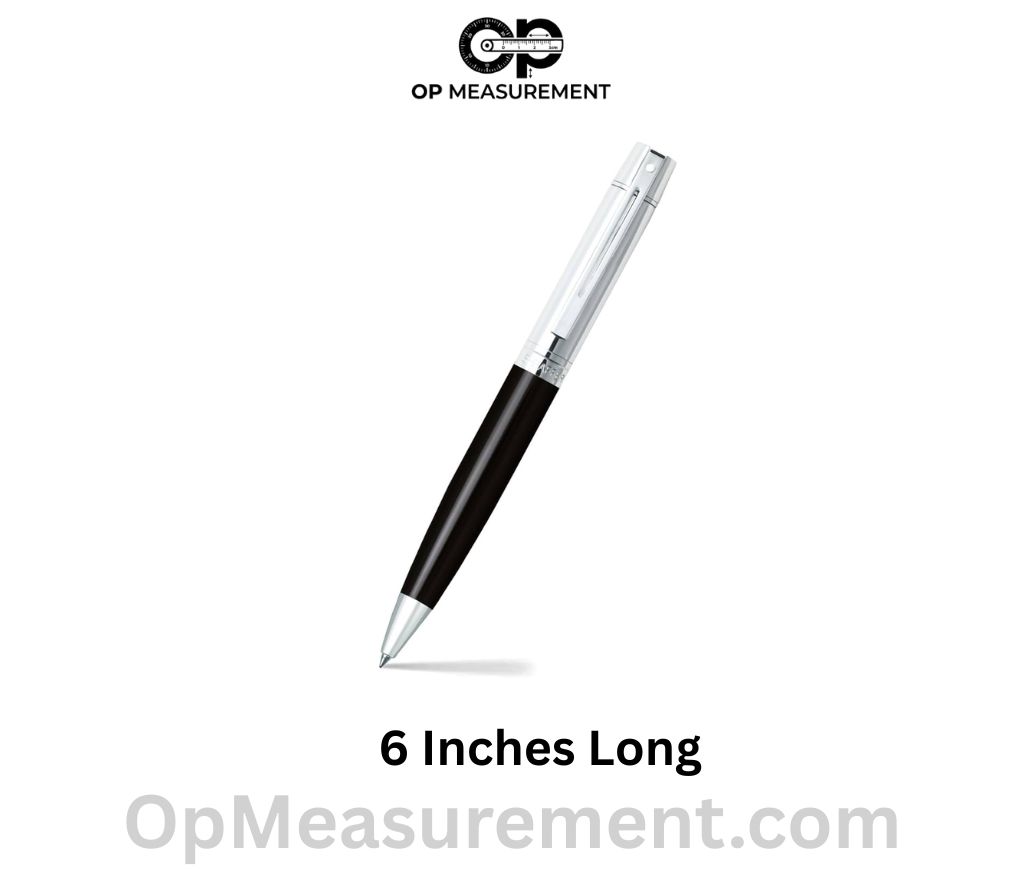
A standard capped ballpoint — the type filling bank counters, desk cups, and jacket pockets everywhere — measures approximately 6 inches from cap end to bottom tip. Manufacturers hit this length because it satisfies three constraints simultaneously: it fits a standard pencil case, slides into a shirt breast pocket, and balances in an adult hand without feeling stubby or overlong.
Hold one and make a fist around it. The pen extends past both ends of your closed grip. Notice how the overhang on each side feels roughly equal — that balance is the physical consequence of 6 inches matching hand length. It’s the reason this pen length outlasted every redesign attempt.
3. Paperback Book Width
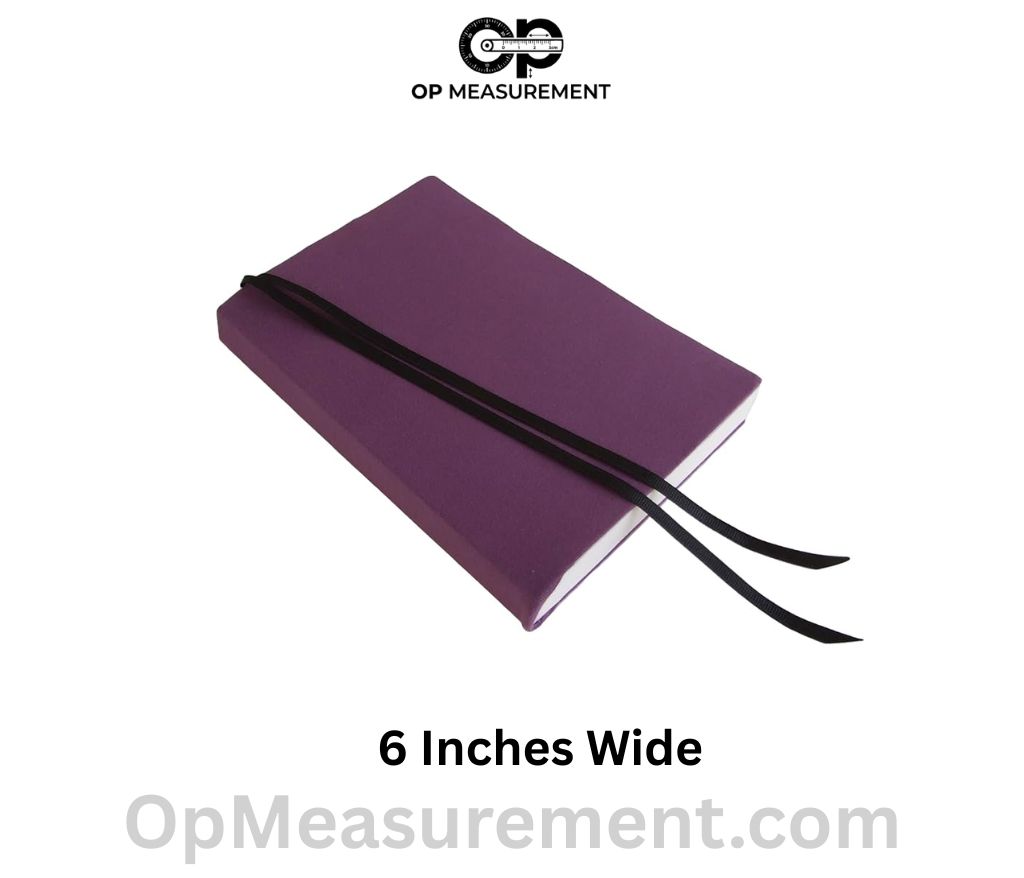
The width of a standard trade paperback is 6 inches. Publishers converged on this dimension because a book this wide sits in one hand without requiring constant grip adjustment during a long reading session. The 6-inch width corresponds to the natural resting span of a relaxed reading hand.
When a book is listed as “6 × 9 inches,” the 6 is always width and 9 is always height — but people reverse these constantly when ordering print runs or measuring shelf space. Width comes first. The book standing on a shelf shows you its 9-inch height; holding it open shows you its 6-inch width.
4. Soup Spoon
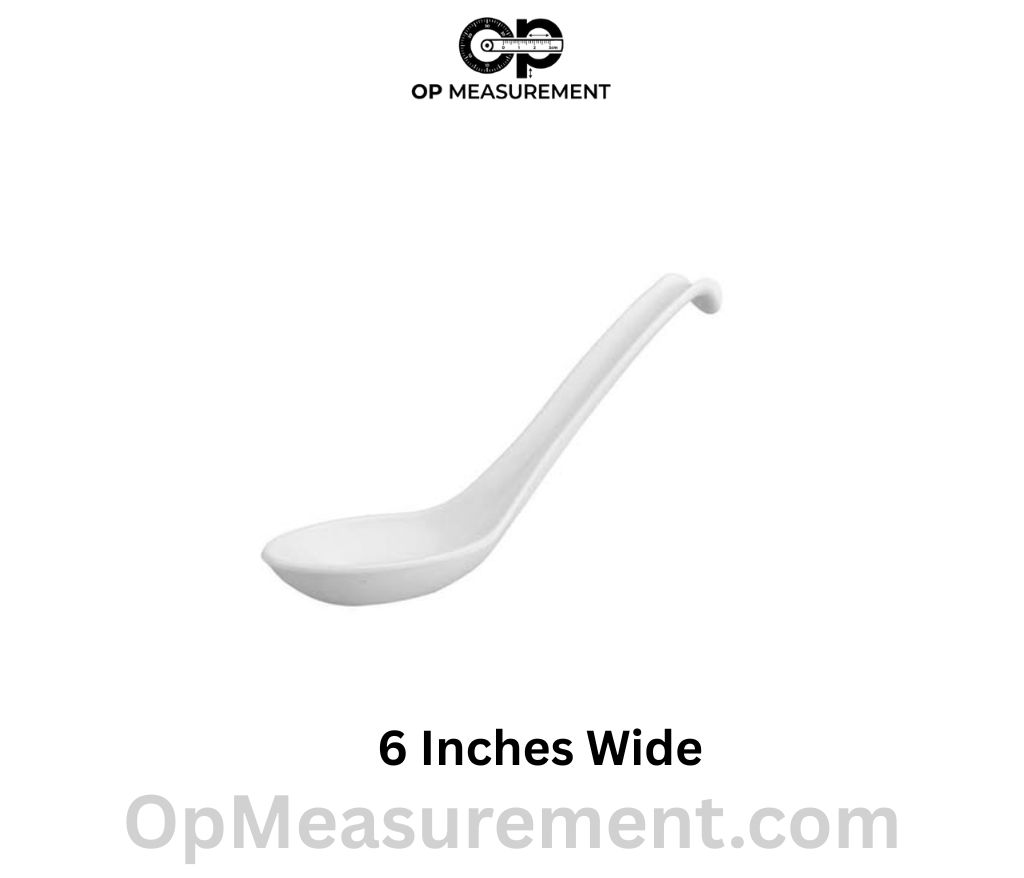
A standard soup spoon measures about 6 inches from the tip of the bowl to the end of the handle. That length is the result of pure functional pressure: short enough to balance in a hand without tipping, long enough to reach the bottom of a deep bowl without your fingers touching hot liquid.
Dinner spoons are slightly longer — closer to 7 inches. Teaspoons run 5 to 5.5 inches. The soup spoon lands between them, and that 6-inch position is where stirring, lifting, and tasting all work comfortably at once.
Read more: How Long Is 11 Inches?
5. Subway 6-Inch Sub
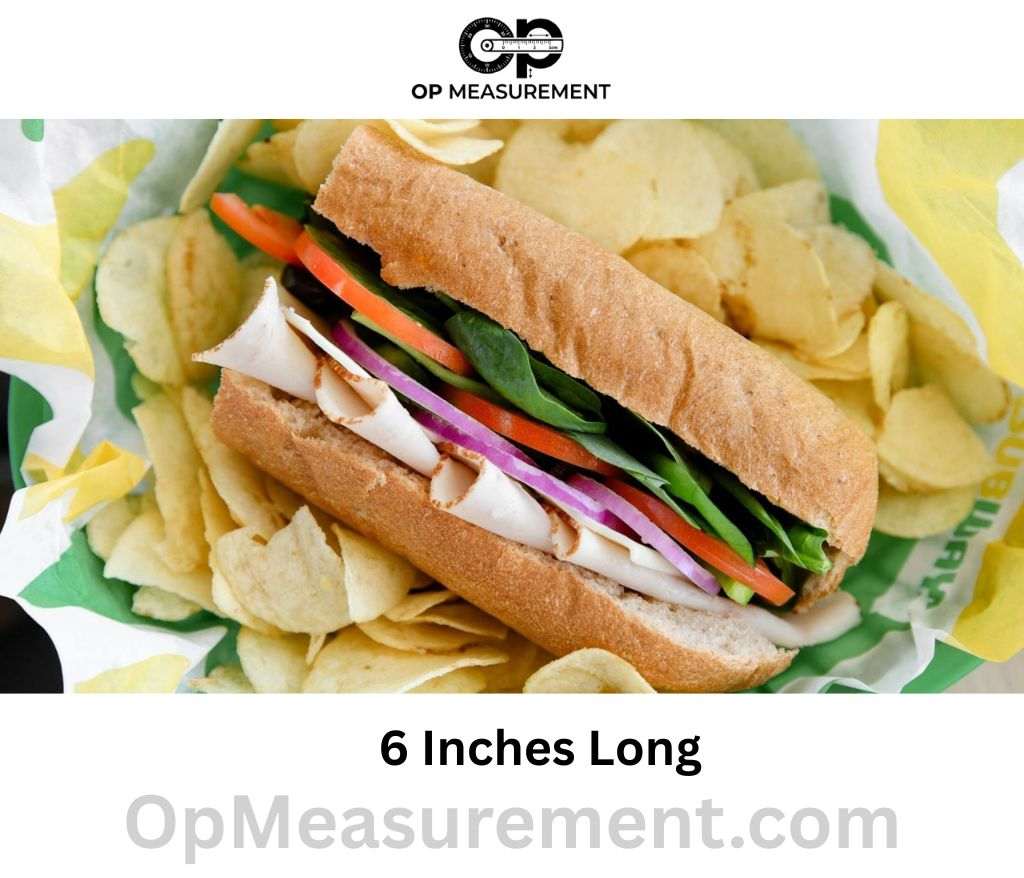
Subway bakes a standard 12-inch loaf and cuts it in half. The 6-inch portion isn’t measured on the production end — it’s the automatic result of a clean center cut. The loaf is the standard; the portion follows from it without any additional measuring step.
What makes this reference particularly useful: you’ve almost certainly held one while choosing toppings. That object in your hand, firm enough to hold its shape, soft enough to compress slightly — that’s a precise 6-inch span you’ve handled many times without registering the number.
Read more: How Long Is 10 Inches?
6. Butter Knife
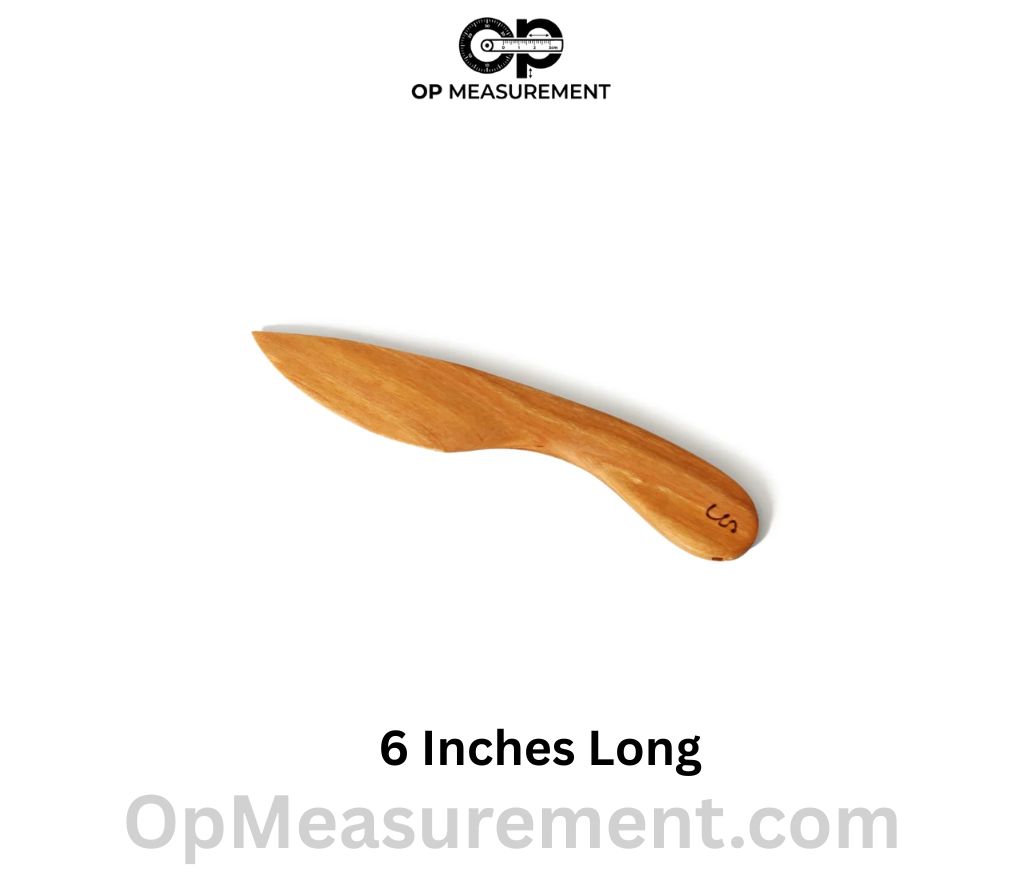
A standard table butter knife measures around 6 inches from handle end to blade tip. This length allows two clean spreading passes across a full slice of bread without repositioning either the knife or your hand. Shorter than 6 inches and you’re making four or five awkward strokes. Longer and the knife becomes unwieldy for a simple table task.
The blade does its work through length rather than sharpness — butter knives are deliberately unedged. At 6 inches, the tool has enough span to generate the spreading leverage needed without the user applying much force. It’s a dimension arrived at through accumulated use rather than formal engineering.
7. Dessert Fork
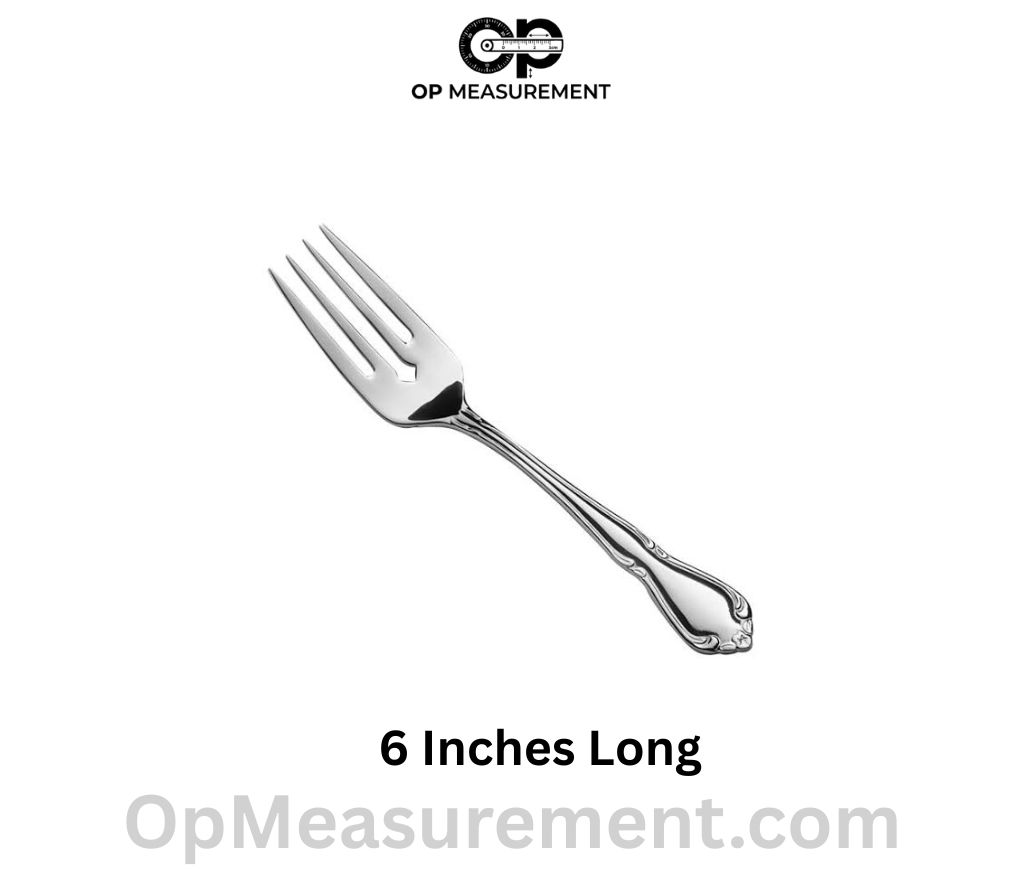
Most dessert forks run right at 6 inches — visibly shorter than a dinner fork, which sits at 7 to 8 inches. The reduced length keeps the fork proportional to smaller dessert plates and lighter in the hand for a smaller portion.
If a dessert fork has ever felt slightly delicate compared to regular cutlery, the 2-inch length difference explains most of that impression. People sense the difference in their hand without being able to identify it. The 6-inch span is making a design statement every time someone picks one up.
8. Medium Zip Tie
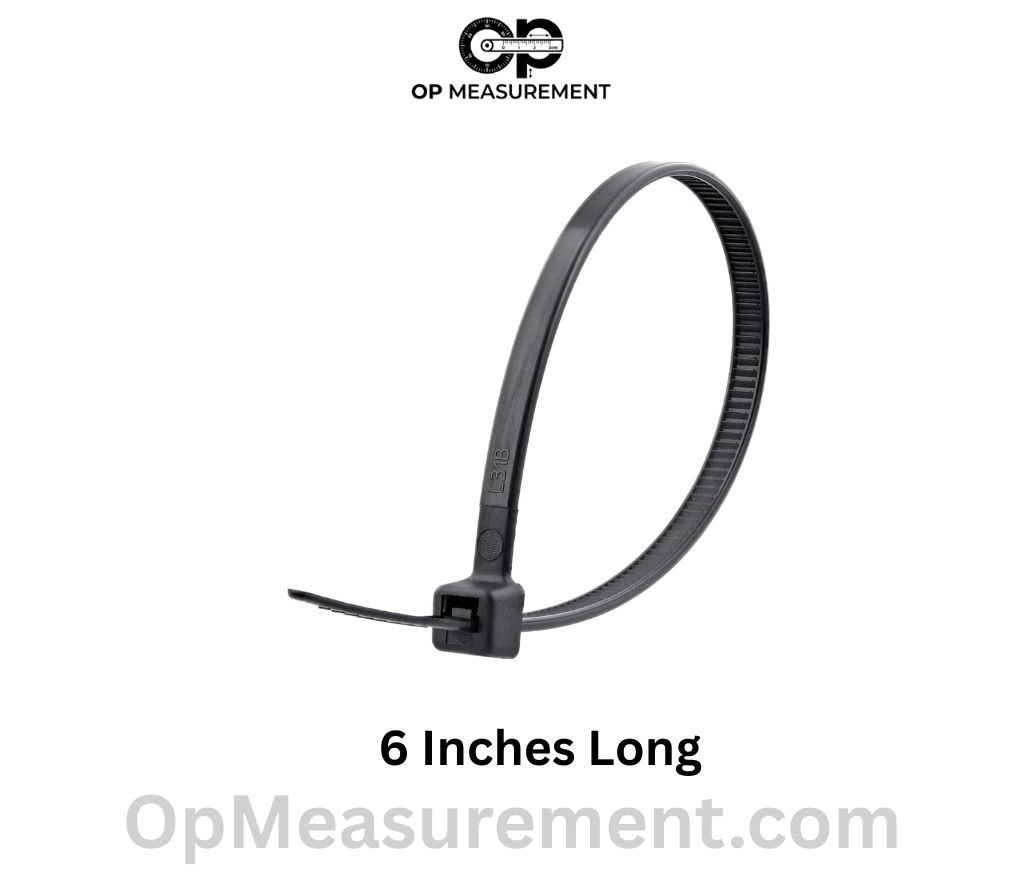
A standard medium zip tie — the kind used for cable management, bundling cords, or securing small items — is typically 6 inches long. Short enough to stay tidy once locked, long enough to loop around a small cable bundle with enough tail remaining to engage the latch securely.
Pull one out and lay it flat. It’s rigid enough that it holds its shape without any support, which makes it one of the cleaner physical references on this list. You’re reading the actual length rather than estimating through a curve or drape.
9. Pocket Pliers
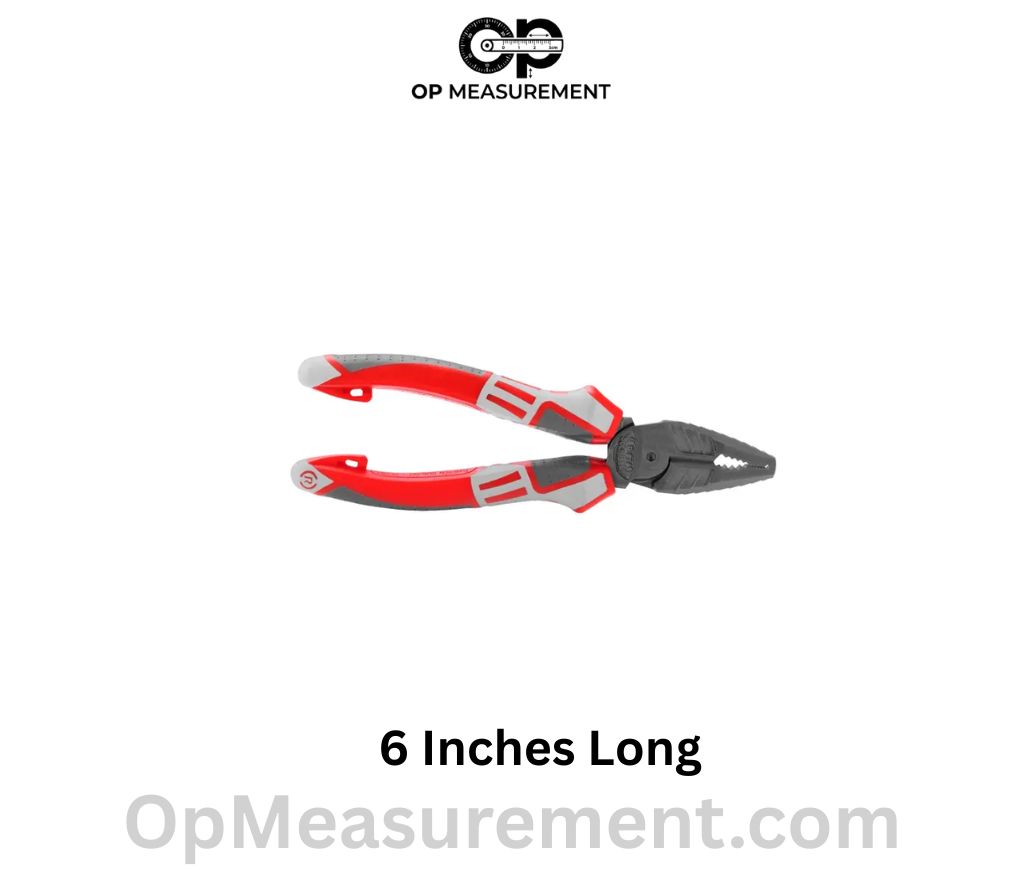
Compact pliers designed for tool belts and portable kits typically measure 6 inches from handle base to jaw tip. This length generates real gripping force while still fitting inside a standard tool pouch without the handles sticking up awkwardly above the opening.
Six inches is also where jaw geometry and handle proportion balance naturally for close-quarter work. Shorter pliers lose mechanical leverage. Longer ones become difficult to maneuver in tight spaces like electrical boxes and cabinet corners. Pocket pliers land at 6 inches because that’s where the tool stops making compromises.
10. Sharpened Wooden Pencil (After First Use)
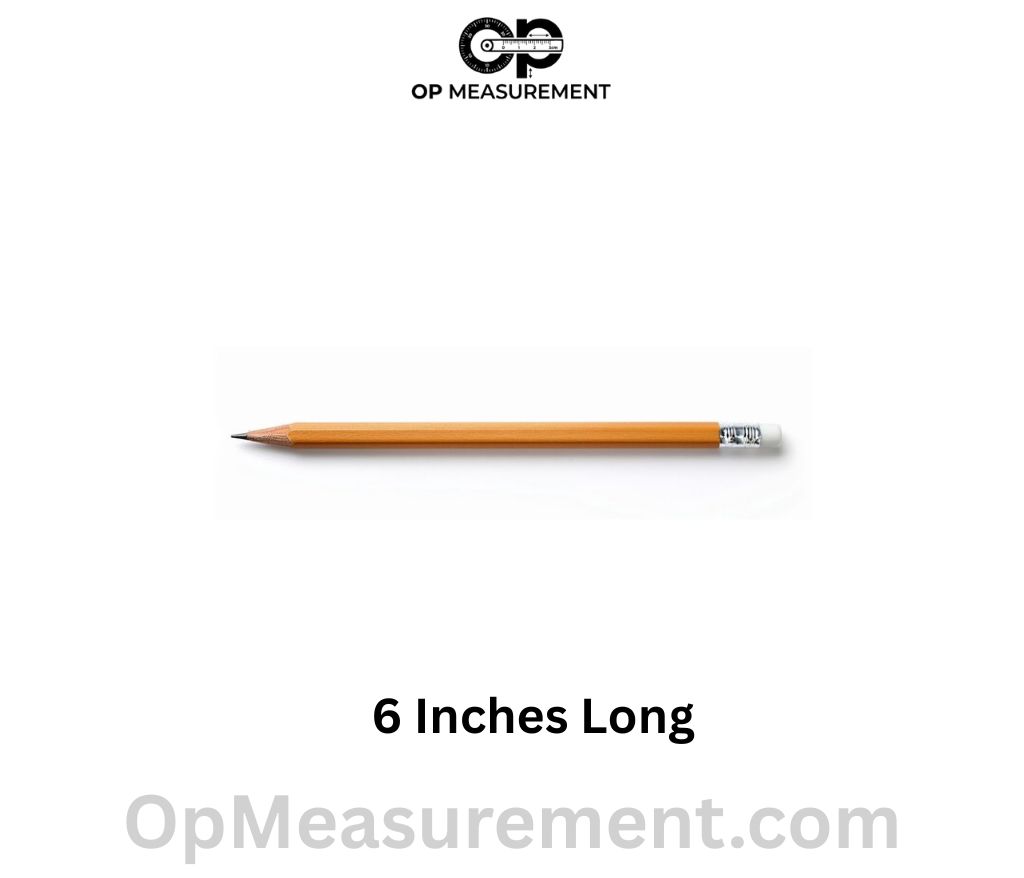
A new, unsharpened No. 2 pencil measures 7.5 inches. Sharpen it for the first time — past the factory tip down to a clean, fresh point — and you lose approximately 1.5 inches, leaving the pencil right at 6 inches.
This means the pencil in your hand after its first real sharpening is a 6-inch object. The measurement reveals itself through use rather than by any label. Check a freshly sharpened pencil against a ruler once and the number will stay with you.
11. Standard Pocket Ruler
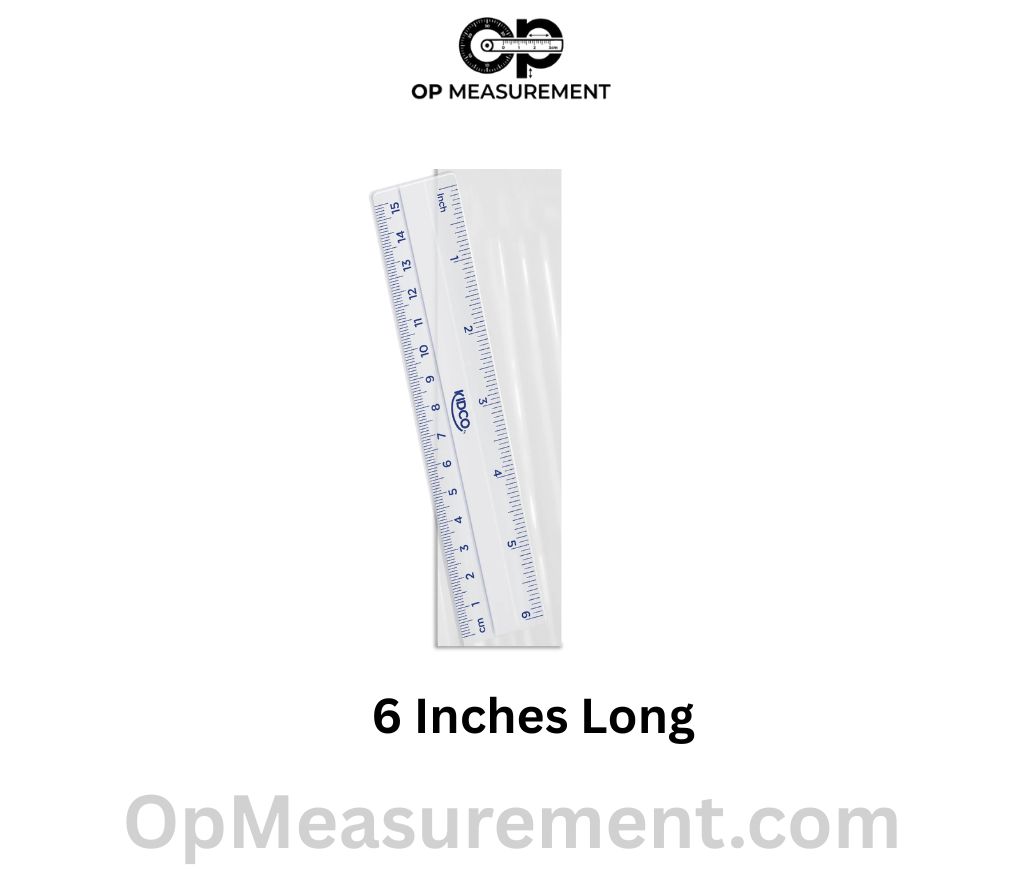
A pocket ruler is exactly 6 inches by deliberate design — built to that length so it fits inside a notebook cover, shirt pocket, or pencil case. It’s the one object on this list that confirms itself without any additional measuring step.
If you work with measurements regularly and don’t own one, it resolves every comparison on this list permanently. Most cost under two dollars, weigh almost nothing, and clip inside a notebook. The investment is minimal; the utility is constant.
12. Adult Knuckle Span
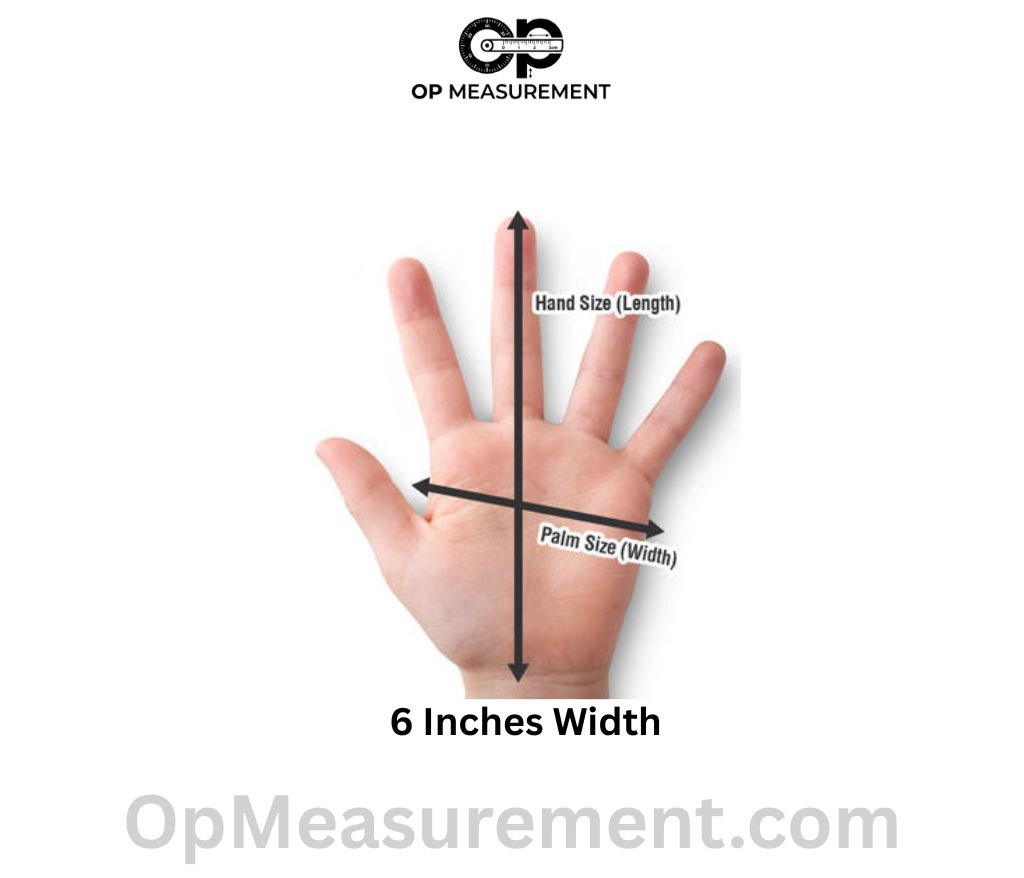
Four fingers pressed flat — index through pinky — measured across the bottom knuckle line. Most adults span between 5.5 and 6.5 inches, with the majority landing at 6. This is a human anatomical average, not a precise guarantee for every hand.
Measure yours once. You now carry a calibrated reference everywhere. No searching, no object required, always accessible. Hardware store, fabric market, job site — your hand is the one measuring tool you never leave at home.
13. A Standard Spatula Handle
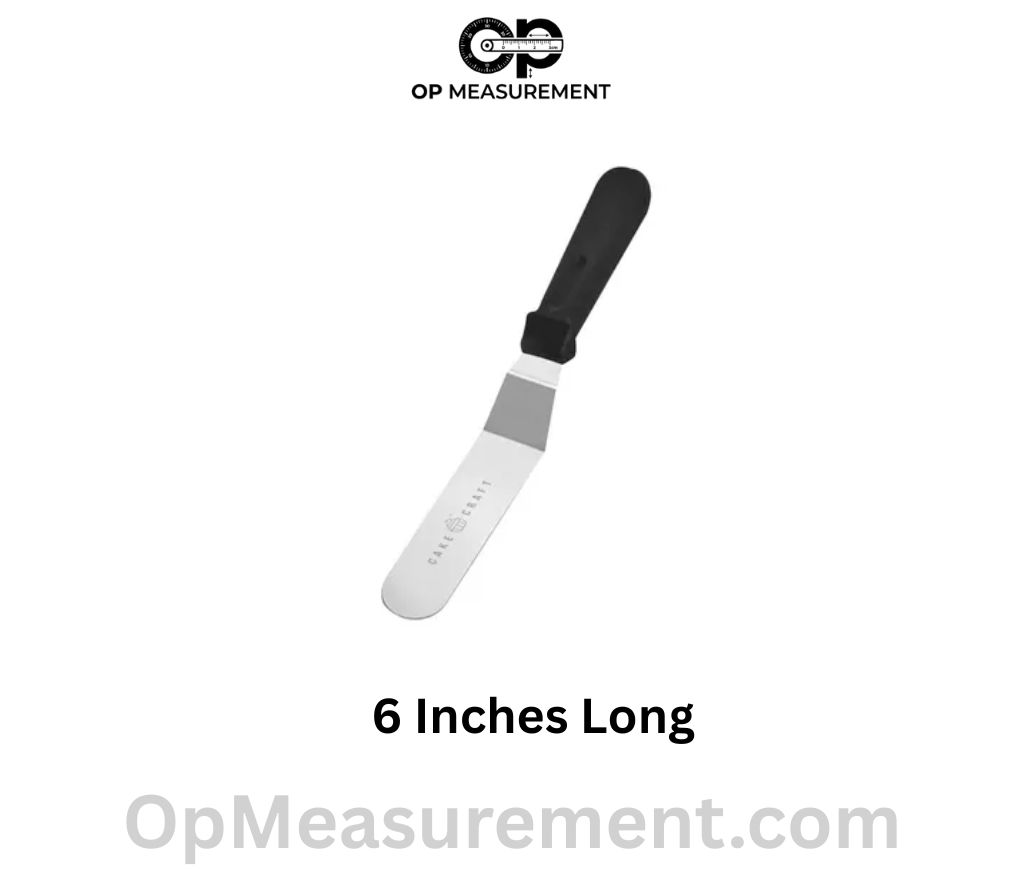
The handle portion of a standard kitchen spatula — from where the blade meets the handle to the bottom end you grip — runs about 6 inches on most everyday models. This distance keeps the hand far enough from the cooking surface to avoid heat contact while keeping the grip close enough to the blade for controlled flipping and lifting.
The 6-inch handle length appears consistently across spatulas, ladles, and other short kitchen tools because it reliably clears the edge of a standard pot or pan while keeping the tool manageable at arm length. It’s a dimension that survived generations of kitchen product design without anyone needing to advertise it.
14. A Thick Paperback Novel Spine Width

Flip a standard trade paperback on its side and look at the spine. A novel of average length — 300 to 400 pages — has a spine width that runs surprisingly close to 6 inches in height when you look at the book standing upright. The height of the book itself is 9 inches. But the visible spine on a shelf — the part you read the title from — is 6 inches tall.
This is the measurement most people never think about, but it’s what determines whether a book stands straight or leans on a shelf. Six-inch-tall spines line up cleanly with trade paperback standards and make shelving look orderly without any deliberate effort.
Six Inches of Hair — What It Really Means
Six inches of hair growth takes most people 6 to 12 months depending on genetics, health, and age. The commonly cited average growth rate is half an inch per month, putting 6 inches at roughly one year — but faster growers at an inch per month can reach this in six months.
When a stylist says “I’m taking 6 inches off,” that’s a significant cut, not a trim. For someone at shoulder length, removing 6 inches brings hair to the chin. The same 6 inches removed from chin-length hair leaves very little.
The physical length is identical in both cases — but where you start determines everything about how it reads on the person. Always measure from the root along a straightened strand, not following curl or wave — that gives you growth distance, not strand length.
Three Ways to Measure 6 Inches Without a Ruler
US dollar bill: Lay it flat. It’s 6.14 inches — effectively 6 inches for any non-precision task. Accurate to within 2 millimeters. Most people have one in their pocket.
Knuckle span: Four fingers pressed together across the bottom knuckles. Test yours against a ruler once, then use that personal calibration everywhere. More accurate than the dollar bill for people whose span falls exactly at 6 inches.
Two credit cards, slightly overlapped: Each card is 3.375 inches long. Two cards end to end give 6.75 inches. Slide them together until they overlap by about three-quarters of an inch, and the total exposed length drops to 6 inches. Works well on flat surfaces for spacing and layout tasks.
Two Measuring Mistakes That Happen Specifically at This Size
The ruler edge problem. Many plastic and wooden rulers have a physical gap between the end of the ruler and where the printed zero line begins. Press your object against the ruler’s physical edge and you’re measuring from the wrong point — adding that gap to every reading. On cheap rulers, this gap runs 2 to 4 millimeters. Always locate the printed zero mark and align your object there.
Screen size versus screen width. A 6-inch phone screen is 6 inches measured corner to corner diagonally, not across the width. The actual width of a 6-inch phone display runs around 2.7 to 2.9 inches — less than half the diagonal measurement. This confusion causes problems when buying cases, screen protectors, or trying to predict whether a phone will fit a specific pocket or bag. The diagonal tells you display area; it says nothing about how wide the phone actually is.
Read Also:
FAQ’s about 6 inches
What is the easiest way to visualize 6 inches without a ruler?
A standard hot dog bun, a capped ballpoint pen, or a 6-inch sandwich are easy references. Most people see or use these items regularly, making them helpful for estimating length quickly.
Is 6 inches considered long or short?
It depends on what you’re measuring. For a hand tool, spoon, or pen, 6 inches is a comfortable medium size. For hair, a cut of 6 inches is usually a noticeable change rather than a simple trim.
How many centimeters are in 6 inches?
Six inches equals 15.24 centimeters exactly. This conversion is based on the international standard where one inch equals 2.54 centimeters.
Can I measure 6 inches using my hand?
Yes. Many adults have a knuckle span across four fingers that is close to 6 inches. Measure your hand once with a ruler, and you’ll have a handy reference wherever you go.
Why do so many everyday objects measure around 6 inches?
Many products are designed to fit comfortably in the hand. Around 6 inches often provides a good balance between control, comfort, portability, and ease of use.
Six inches shows up in more places than most people realize — and once you start noticing it, you don’t stop. The pen in your hand, the spoon in your bowl, the book on your shelf. The measurement isn’t abstract. It’s already in the room with you.
For another size reference, see How Long Is 7 Inches? and How Long Is 5 Inches?
Conversion reference: NIST unit definitions and conversion factors. Rounded values are for comparison; product dimensions and weights should be checked against the specific item.

Vera loves exploring the size and dimensions of everyday objects. She shares practical, visual guides to help readers understand measurements clearly. With a focus on accuracy and usefulness, Vera creates content that informs, engages, and supports learning for all.