3 inches equals exactly 7.62 centimeters. Compare the dimension described below, rather than assuming every object has a standard size. Screen sizes refer to the diagonal, not width or height. A ruler or tape measure gives a more reliable result than hand or body estimates.
3 inches equals 7.62 centimeters or 76.2 millimeters. On a ruler, it lands clean on the third marked line. In your hand, it spans roughly four fingers pressed flat together. Small, but surprisingly specific.
Most people searching this aren’t doing math. They’re trying to picture something — a screen size, a hair length, a shelf gap, a product dimension. So that’s exactly what this covers.
The 3 Inches Conversion Numbers (All in One Place)
| Unit | Value | What It Feels Like |
| Inches | 3 in | Base |
| Centimeters | 7.62 cm | Slightly past the 7.5 mark |
| Millimeters | 76.2 mm | Precise engineering scale |
| Feet | 0.25 ft | Exactly one-quarter foot |
| Meters | 0.0762 m | Lab reference |
| Yards | 0.0833 yd | Barely any of a yard |
3 Inches on a Ruler — Exactly Where It Falls
On any standard ruler, 3 inches is the third long numbered mark from zero. Between each inch, you’ll see shorter tick lines dividing the space — the longest intermediate mark is the half-inch, the medium ones are quarter-inches, the shortest are eighth-inches.
Three inches lands cleanly, with no guessing. No splitting hairs between marks. It’s one of those measurements that sits exactly on a named line, which makes it easy to confirm.
If your ruler shows centimeters on the reverse side, the same physical point aligns with 7.62 cm — just barely past the 7.5 cm tick.
What 3 Inches Feels Like in Your Hand
This is what conversion tables can’t tell you.
Hold your four fingers together — index, middle, ring, pinky — pressed flat. For most adults, that combined width is right at 3 inches. It varies slightly by hand size, but it’s the fastest physical reference you’ll ever have because it’s always with you.
Now try this: hold your thumb and index finger open, about 3 inches apart. That gap doesn’t look huge. It doesn’t look tiny either. It looks deliberate — like the distance between two specific points someone measured on purpose. That’s the character of 3 inches. Precise. Not casual.
It fits inside your closed fist with room at both ends. It doesn’t span your full palm. Half a hand, roughly — measured from the wrist side crease to just below the knuckles on most people.
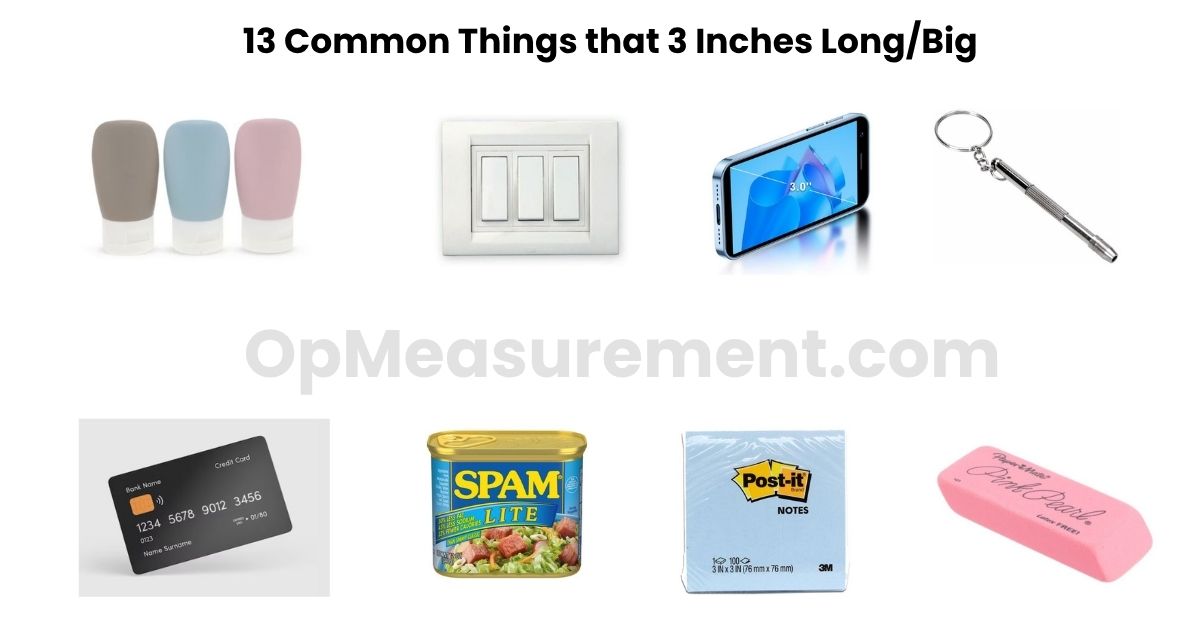
13 Daily-Use Things That Are 3 Inches
| Object | Category | Dimension |
| Post-it Note | Stationery | 3 × 3 inches |
| Standard Drink Coaster | Kitchen / Home | 3 inches across |
| Jumbo Paperclip | Stationery | 3 inches long |
| TSA Travel Bottle | Travel | 3 inches tall |
| Kitchen Matchbox | Home / Kitchen | 3 inches long |
| Credit Card (long edge) | Wallet / Finance | 3.37 inches long |
| Smartphone Width | Tech | 2.8 – 3.0 inches Diagonal Length |
| Wall Switch Plate | Home / Hardware | 2.75 – 3 inches wide |
| Eyeglass Repair Screwdriver | Tools / Eyewear | 3 inches long |
| Mini Donut / Small Bagel | Food | 3 inches across |
| Spam Can (narrow side) | Food / Kitchen | 3 inches wide |
| Pink Pearl Eraser (new) | Stationery | 3 inches long |
| Jumbo Bobby Pin | Beauty / Hair | 3 inches long |
Post-it Note
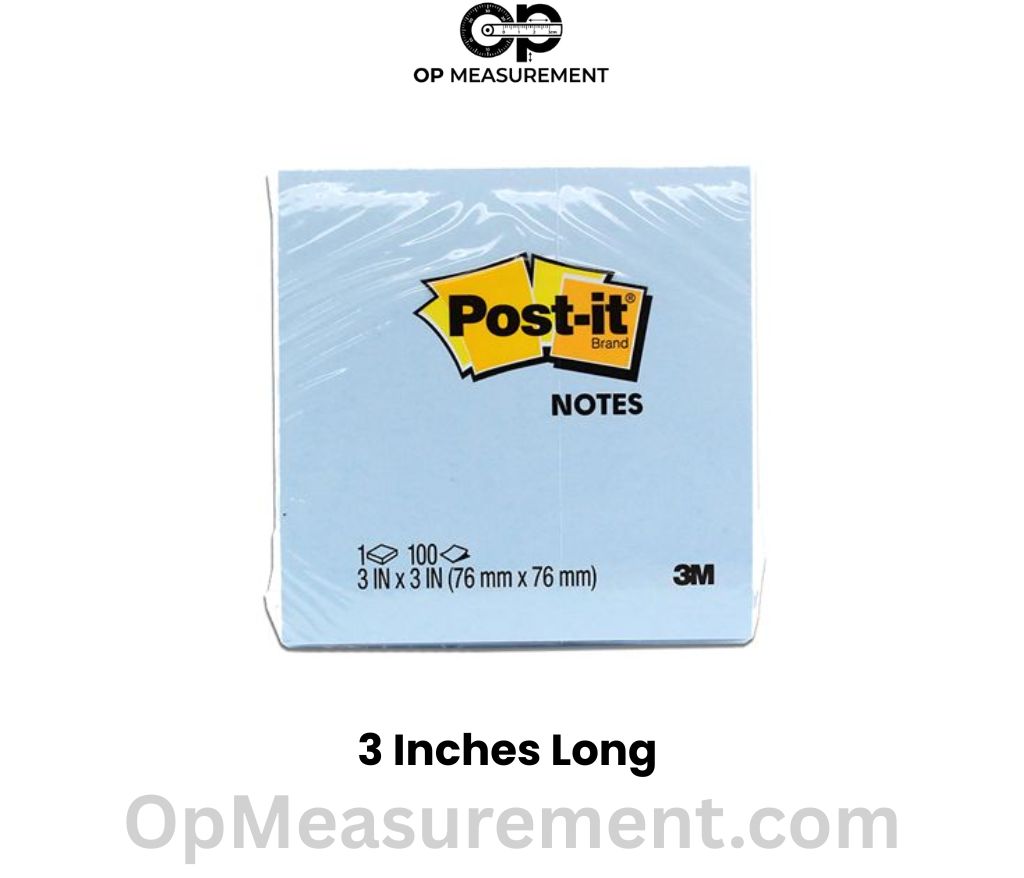
The standard yellow square sticky note is 3 × 3 inches — both dimensions. Not approximately. Exactly.
What makes this reference so useful isn’t just the accuracy. It’s that Post-it notes feel smaller than they are because they’re thin, light, and usually stuck flat against a surface. Pick one up and hold it in the air. That square you’re looking at — every edge of it — is your measurement. Most people have handled thousands of these and never thought about their size. Now you won’t forget it.
Standard Drink Coaster
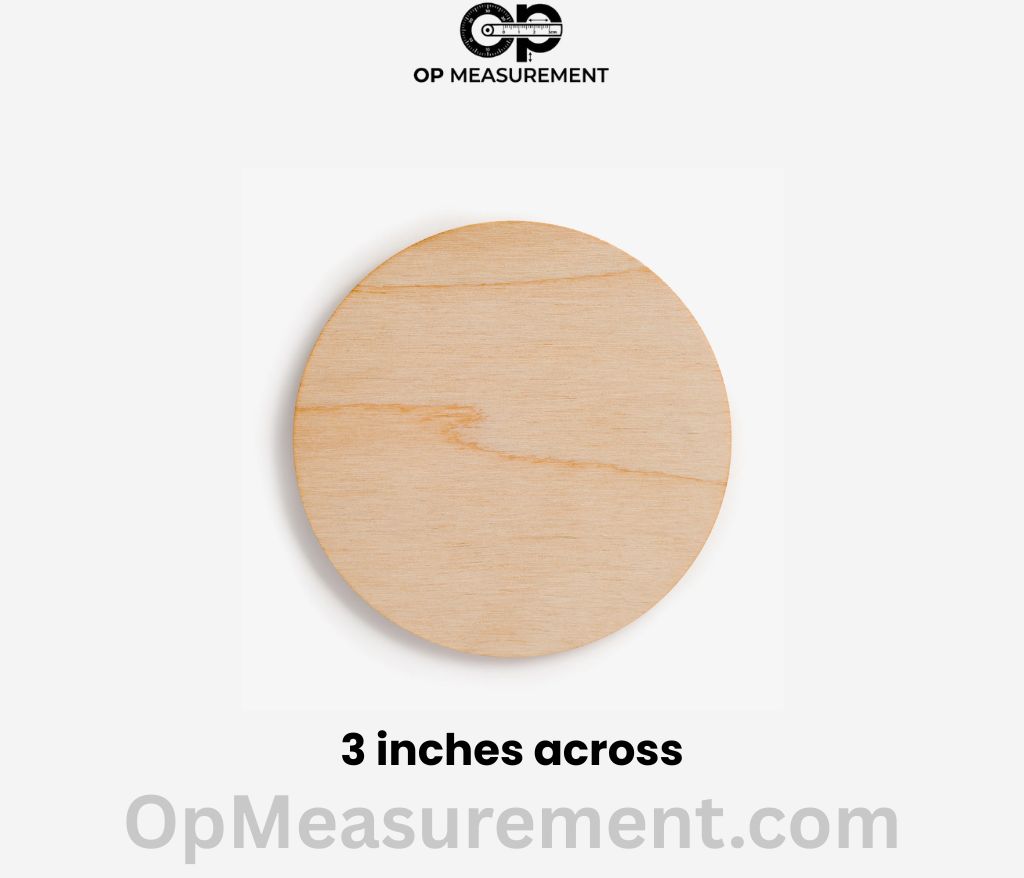
The cardboard or cork coaster protecting your table right now is almost certainly 3 inches across. Circular or square, the dimension holds. Coasters are sized around the standard mug base, which runs about 2.5 inches — leaving just enough margin for drips without the coaster looking oversized.
Pick one up and look at it from above. The circle or square you’re looking at has a 3-inch diameter or width. This is a satisfying reference because the size feels intentional when you know what it represents.
Jumbo Paperclip
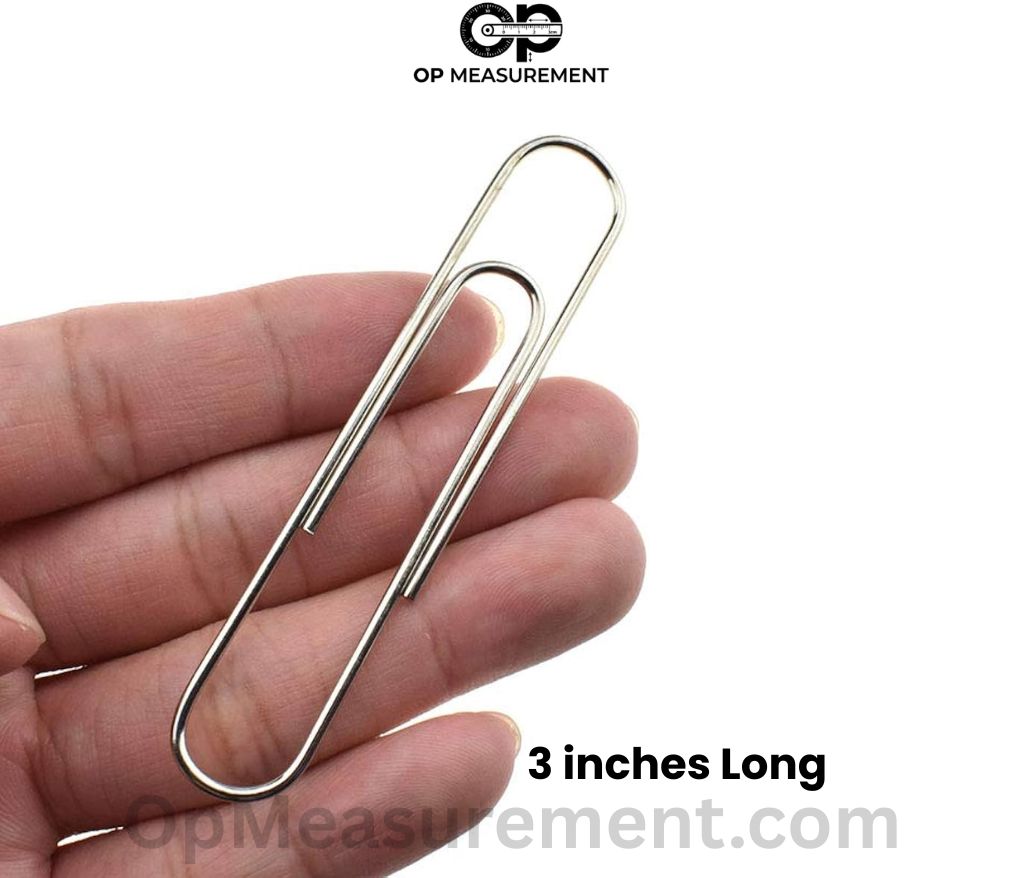
Standard paperclips are about 1.3 inches. Nobody thinks about that until they hold a jumbo version. The large-format metal or vinyl paperclip — designed for thick stacks — measures exactly 3 inches tip to tip.
Lay one flat on a desk and look at it. A straight line, 3 inches long, has more visual presence than you’d expect from such a lightweight object. It’s a good lesson: 3 inches isn’t micro-small. It has real, visible length when you’re looking at it as a single line rather than a dimension written on paper.
3-Ounce TSA Travel Bottle
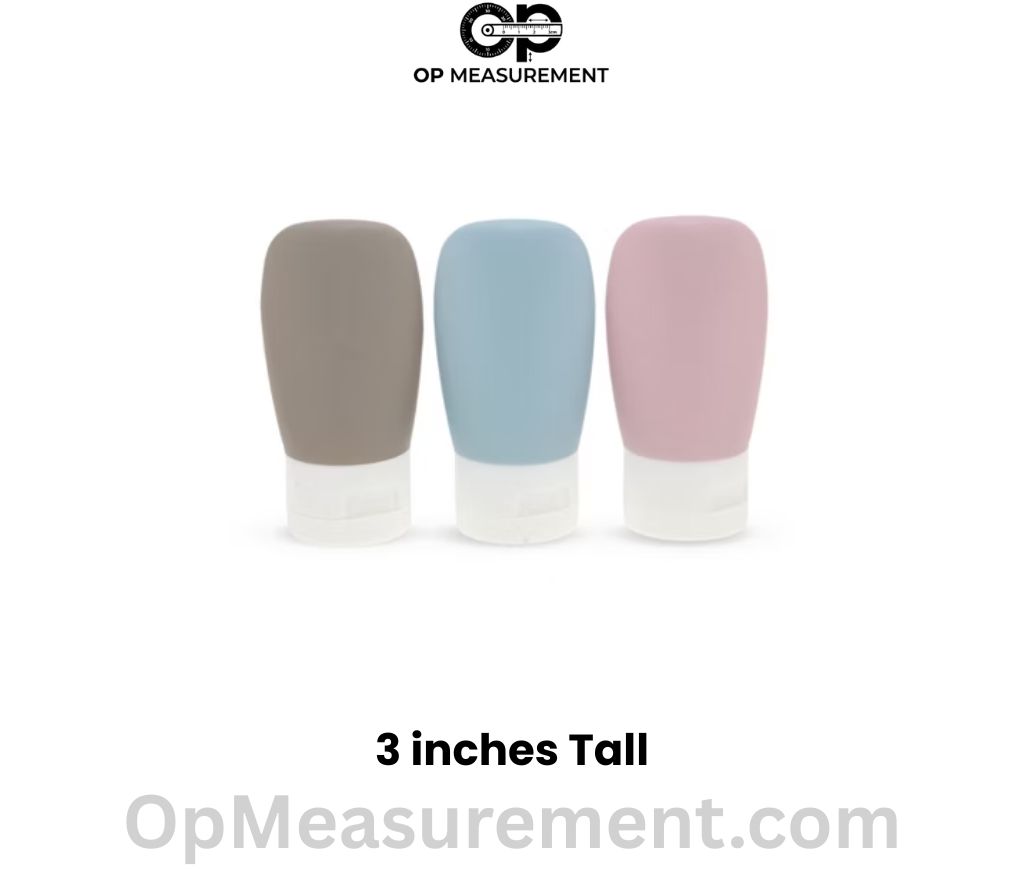
The small plastic squeeze bottles sold specifically to meet airport liquid rules — 3.4-ounce maximum — are typically 3 inches tall from base to cap. The fluid ounce limit and the physical height happen to land near the same number, which is worth remembering.
Hold one in your closed hand. The cap just peeks above your fist. That height — base to that peeking cap — is 3 inches. Anyone who travels carries these. Most people have squeezed one hundreds of times without once thinking about its height as a measurement.
Read also: How Long Is 17 Inches?
Box of Kitchen Matches
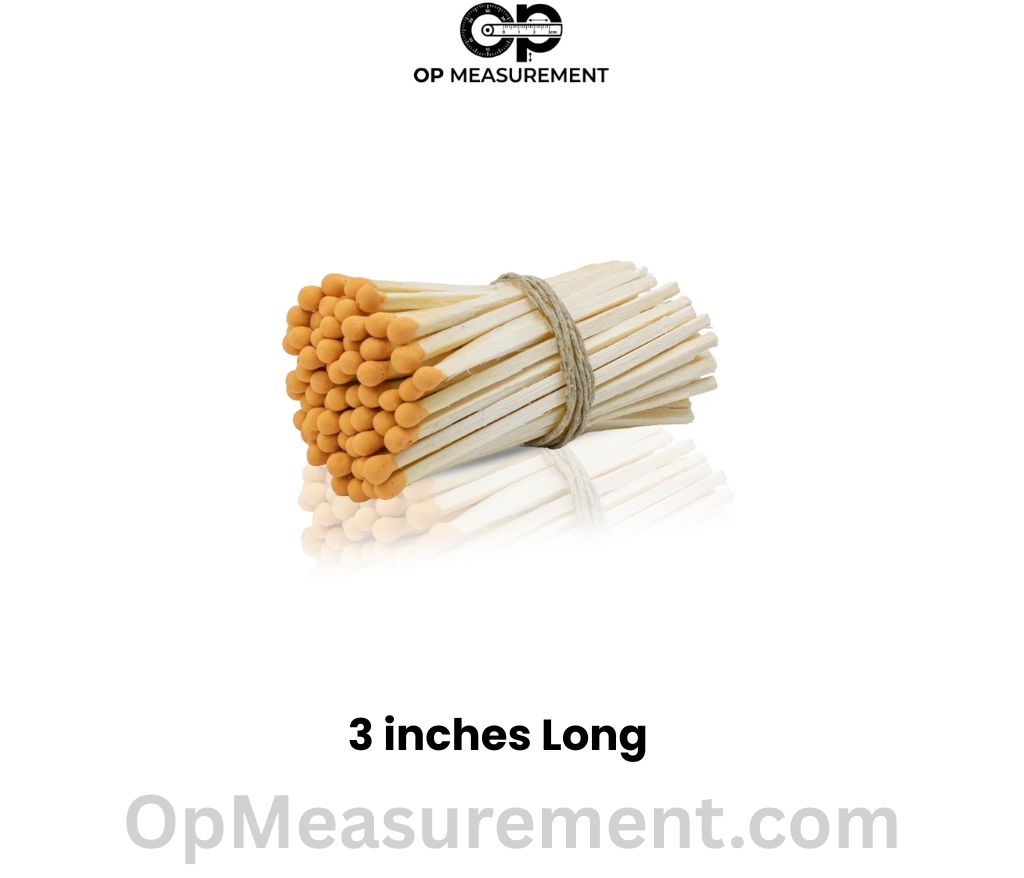
The rectangular cardboard strike-on-box matchbook — the household kind with the sandpaper strip along the side — runs exactly 3 inches along its long edge. It’s pocket-sized by design, built to slip into a shirt pocket or kitchen drawer without demanding space.
Here’s what’s interesting about it as a reference: the box feels shorter than 3 inches when you hold it. It’s so thin and light that the brain underestimates the length. This makes it a useful calibration check — if 3 inches feels longer than you expected, hold a matchbox and recalibrate.
Read also: How Long Is 9 Inches?
Credit Card — Long Edge
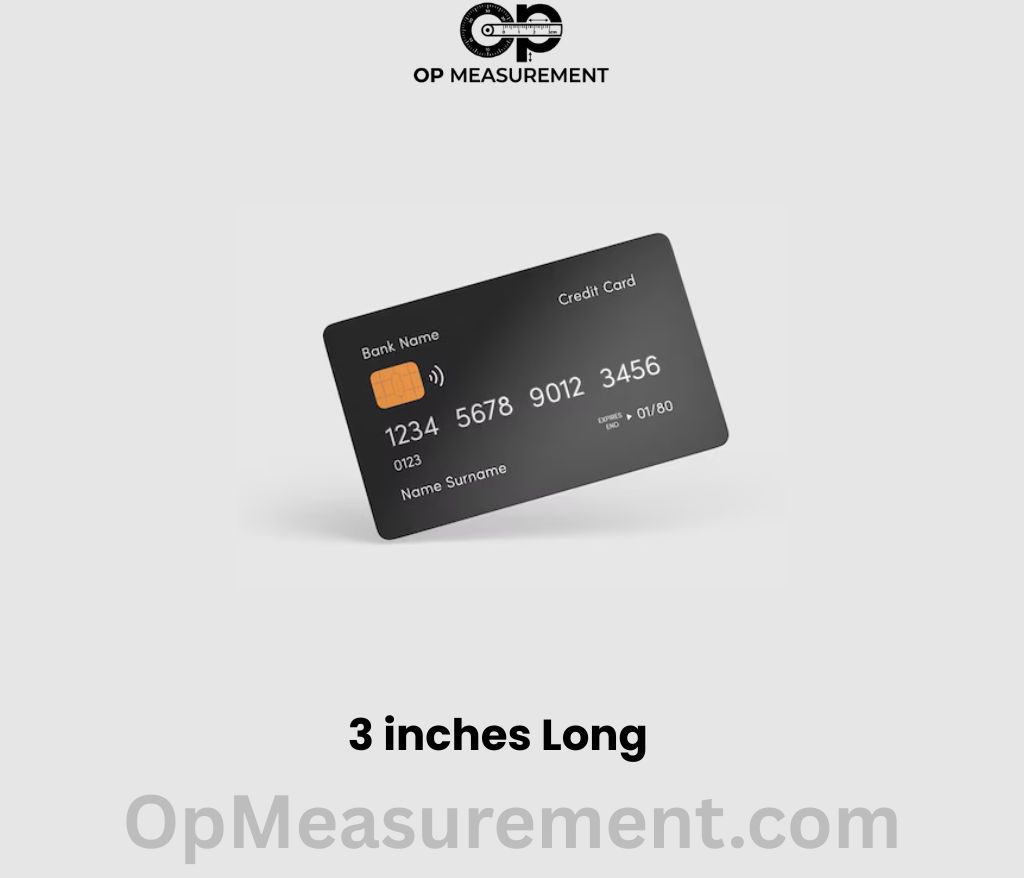
A credit card measures 3.37 inches on its long side. That’s 3 inches plus about 3.5 millimeters — close enough that a credit card edge is the most reliable wallet-based measuring tool most people carry.
Mentally shave a thin sliver off one end of the long edge and you’ve got your 3-inch reference. For estimating gaps — shelf openings, frame widths, spacing — the card gets you there faster than pulling out a ruler, with error small enough to ignore for casual measuring.
Smartphone Diagonal Length
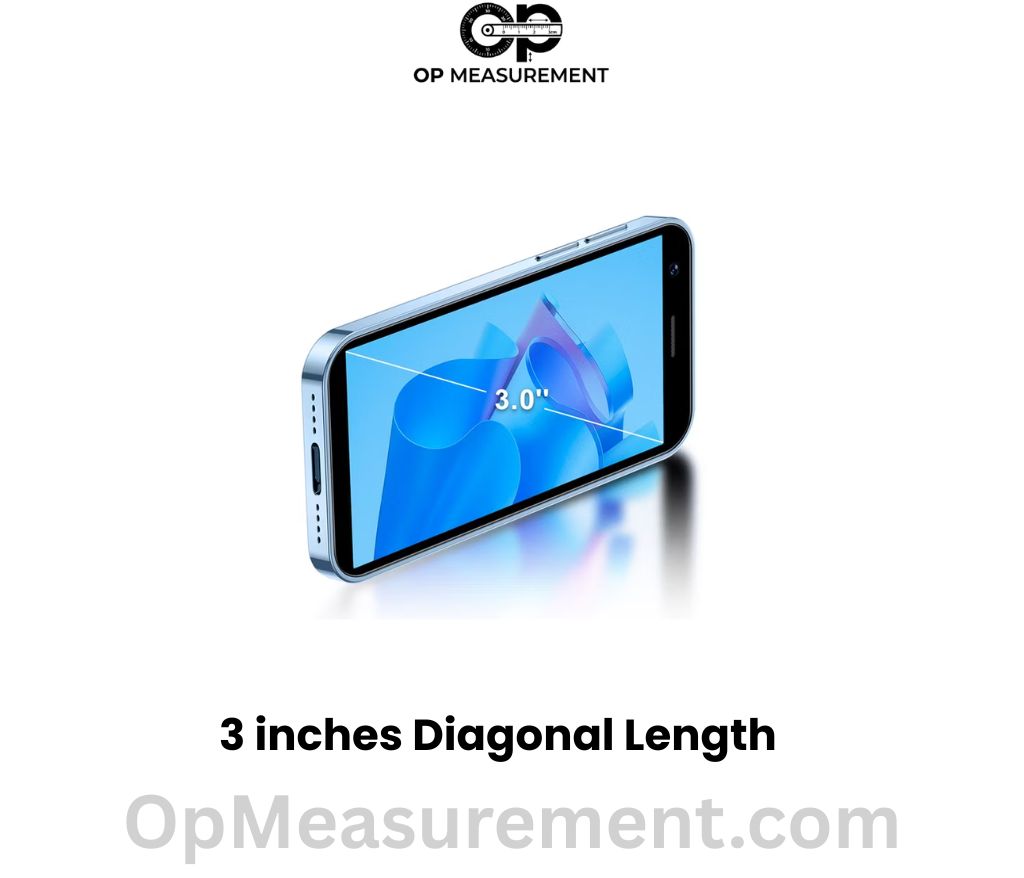
This one surprises people. The number people usually hear about phones is not width but screen size measured diagonally — corner to corner. A 3-inch screen means the diagonal length of the display, not how wide the phone is. In real terms, a 3-inch screen is very small by today’s standards, like older compact phones. Modern smartphones are much larger, often 6 inches or more in diagonal size.
Wall Light Switch Plate
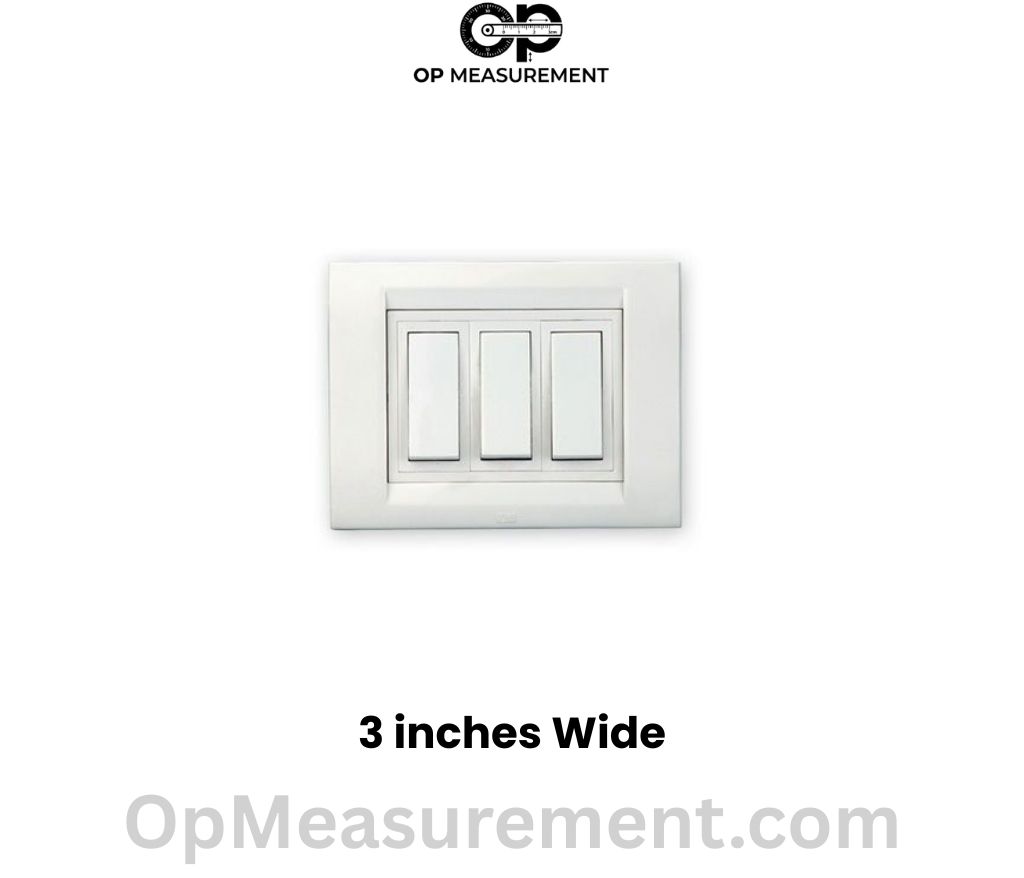
The white or beige plastic rectangle covering your nearest light switch — the standard single-gang cover plate — is 2.75 to 3 inches wide. It’s at eye level, in almost every room, and nearly nobody knows its dimensions.
This reference is useful for understanding 3 inches as a width measurement specifically. The switch plate doesn’t look wide on the wall. It looks narrow, modest, barely noticeable. But it’s right there at 3 inches. Context changes how a measurement appears without changing what it actually is.
Read also: How Far Is 100 Feet?
Eyeglass Repair Screwdriver
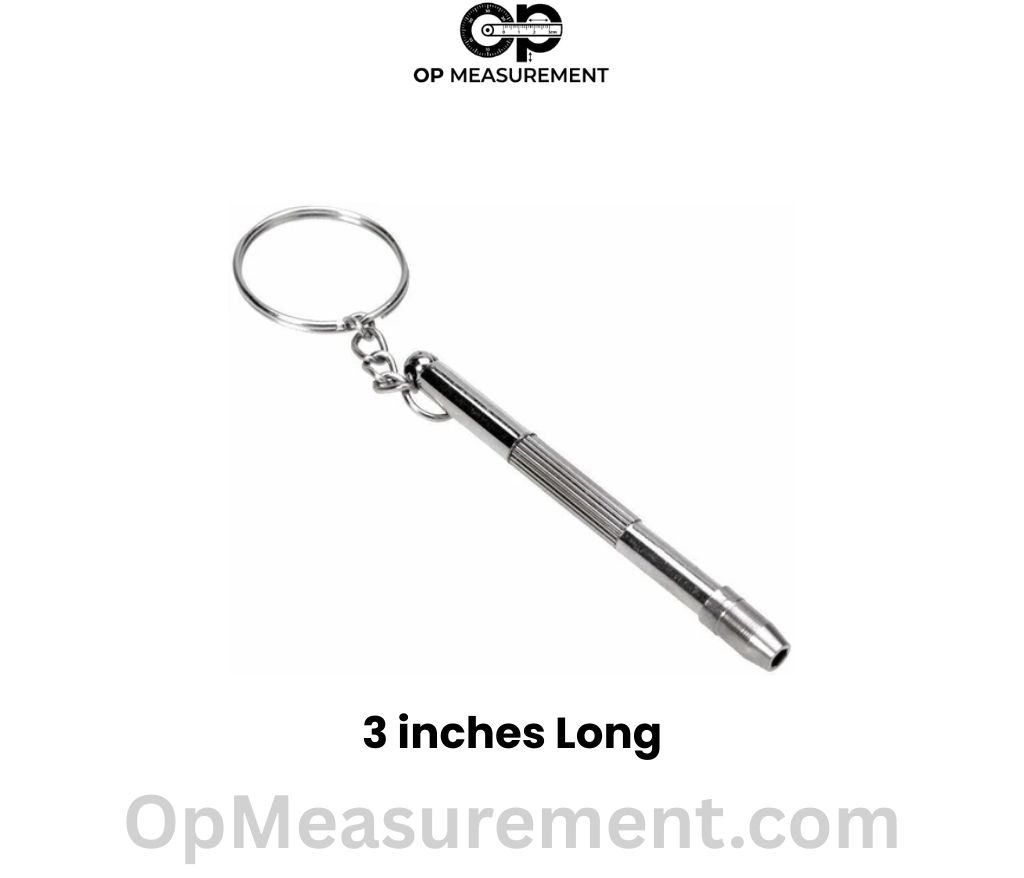
Inside every drugstore eyeglass repair kit — the kind sold near the reading glasses for a dollar or two — there’s a tiny screwdriver. Flat or Phillips head, built for tightening the tiny screws on nose pads and hinges. Full length, tip to handle end: 3 inches.
Using one of these to fix your glasses, it feels impossibly small. But set it against a ruler and it hits the 3-inch line exactly. This is a good demonstration of how context distorts perceived size. The same length that feels tiny in a repair context is the full width of your phone in another.
Mini Donut or Small Bagel
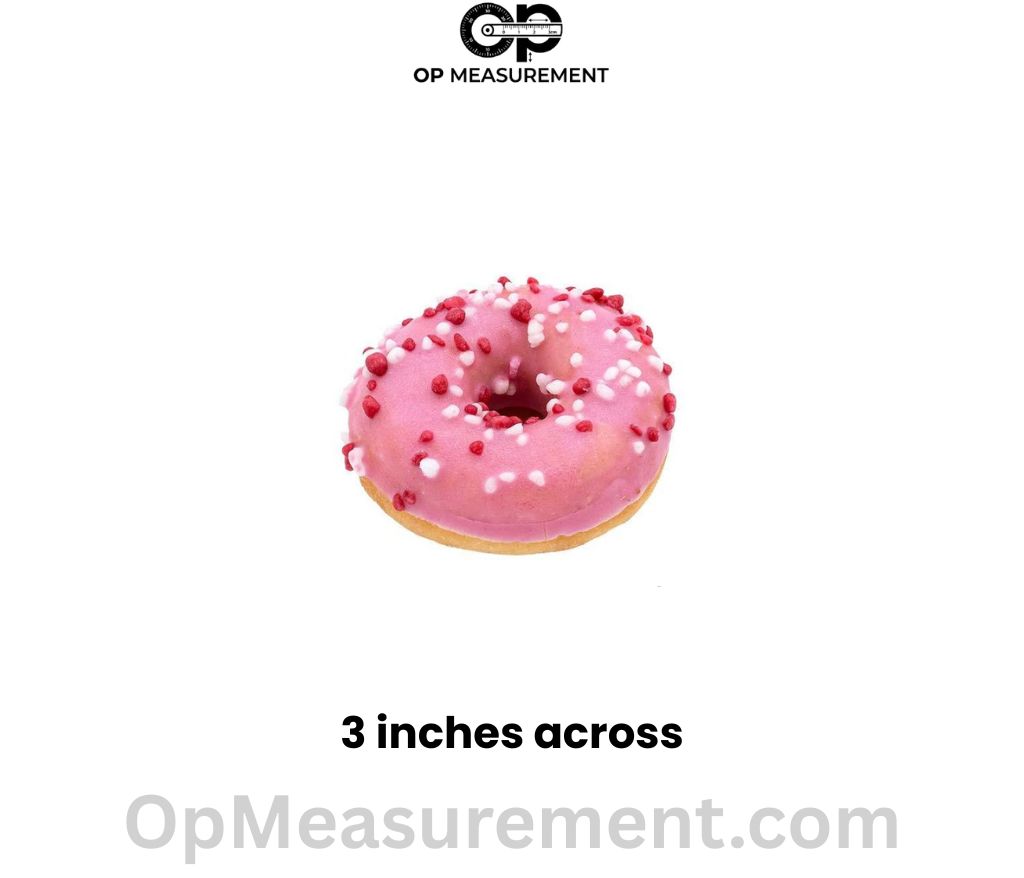
A standard store-bought mini donut — the six-to-a-pack kind — spans about 3 inches across at its widest point. Same for a small bakery mini-bagel. Set one flat on a table and look down at it from above. That circle has a 3-inch diameter.
Food references stick in memory in a way hardware references don’t. Once you’ve associated “3 inches” with a mini donut, the number becomes visual instead of abstract. That mental image retrieval is faster than doing math.
Read also: How Long Is 18 Inches?
Spam Can Narrow Side
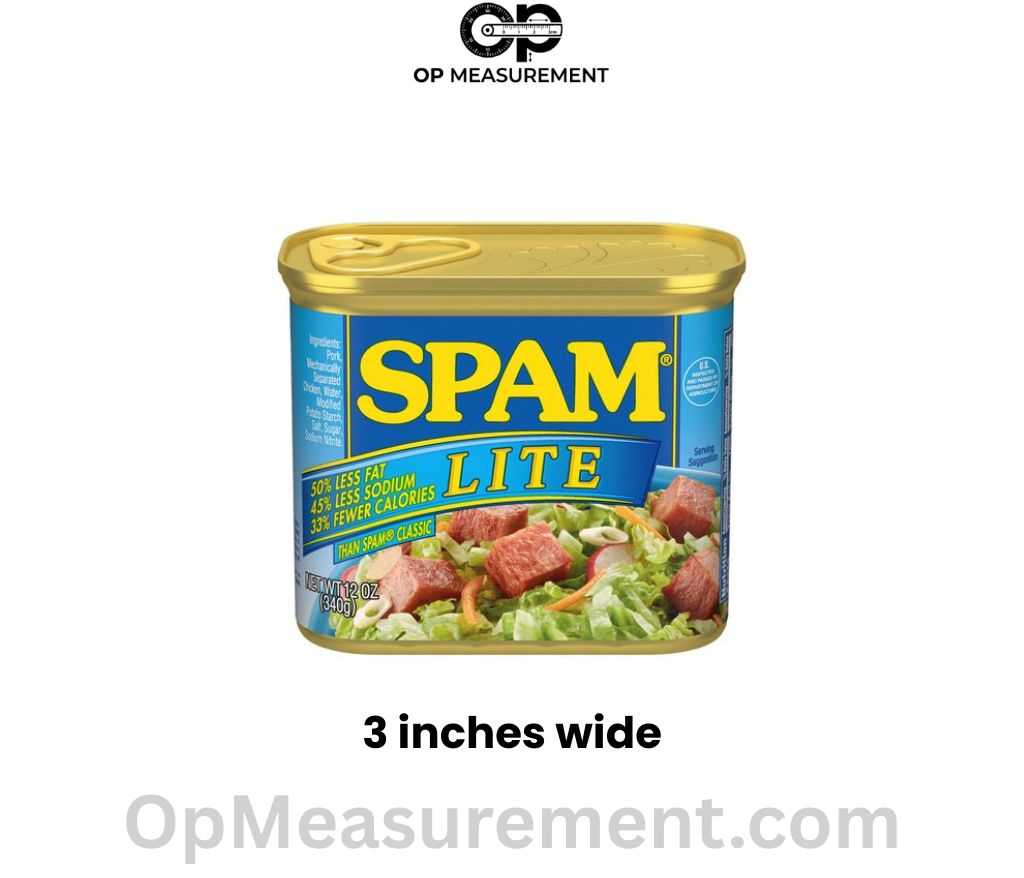
A standard 12-ounce rectangular Spam can — or any canned meat in the same format — measures exactly 3 inches across its narrow side. The can is longer on the other axis, so this is specifically the short face you’re looking at when the can sits label-side up.
Can dimensions depend on the product and packaging design. Measure the specific face you are comparing instead of assuming it is always three inches.
Pink Pearl Eraser (Brand New)
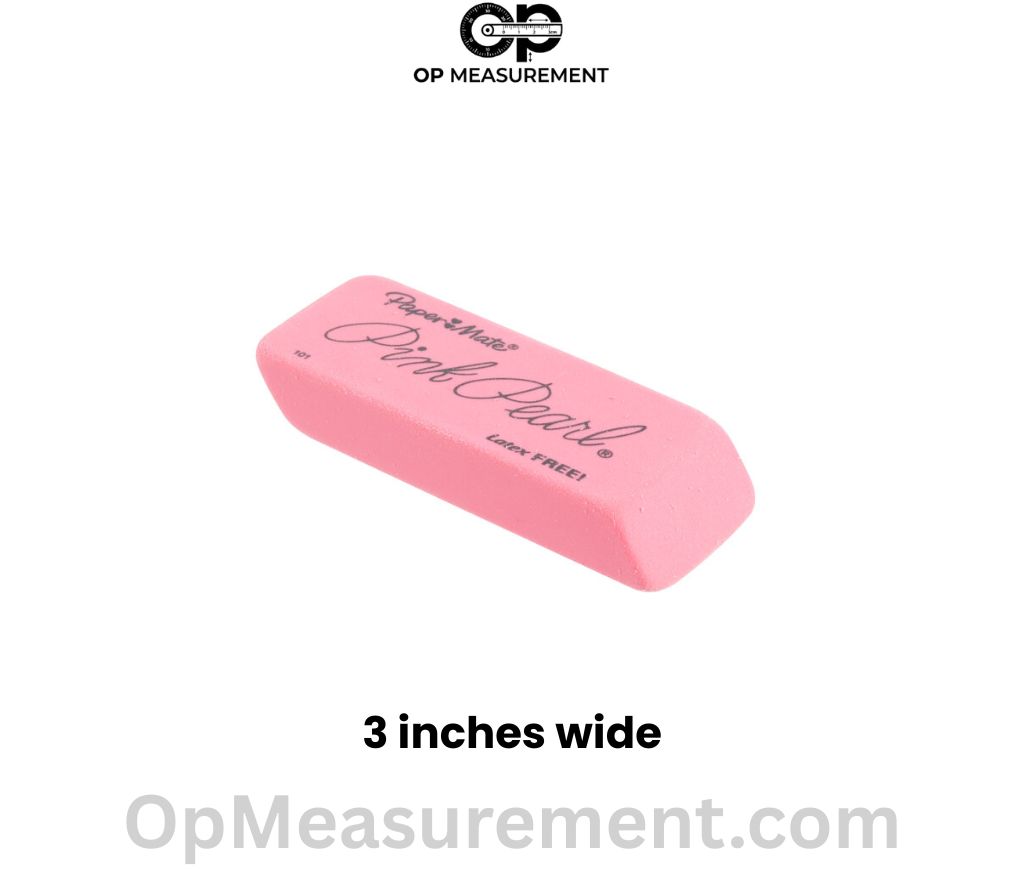
A brand-new Pink Pearl eraser — the classic wedge-shaped school eraser in pale pink — measures exactly 3 inches from end to end. The key word is brand-new. Once the corners start wearing down from use, length disappears quickly.
This only works as a reference with a fresh, unwrapped one. But if you’ve ever bought school supplies in late summer and pulled one of these from a pack, you held 3 inches in your fingers without knowing it. That’s the version to picture.
Jumbo Bobby Pin
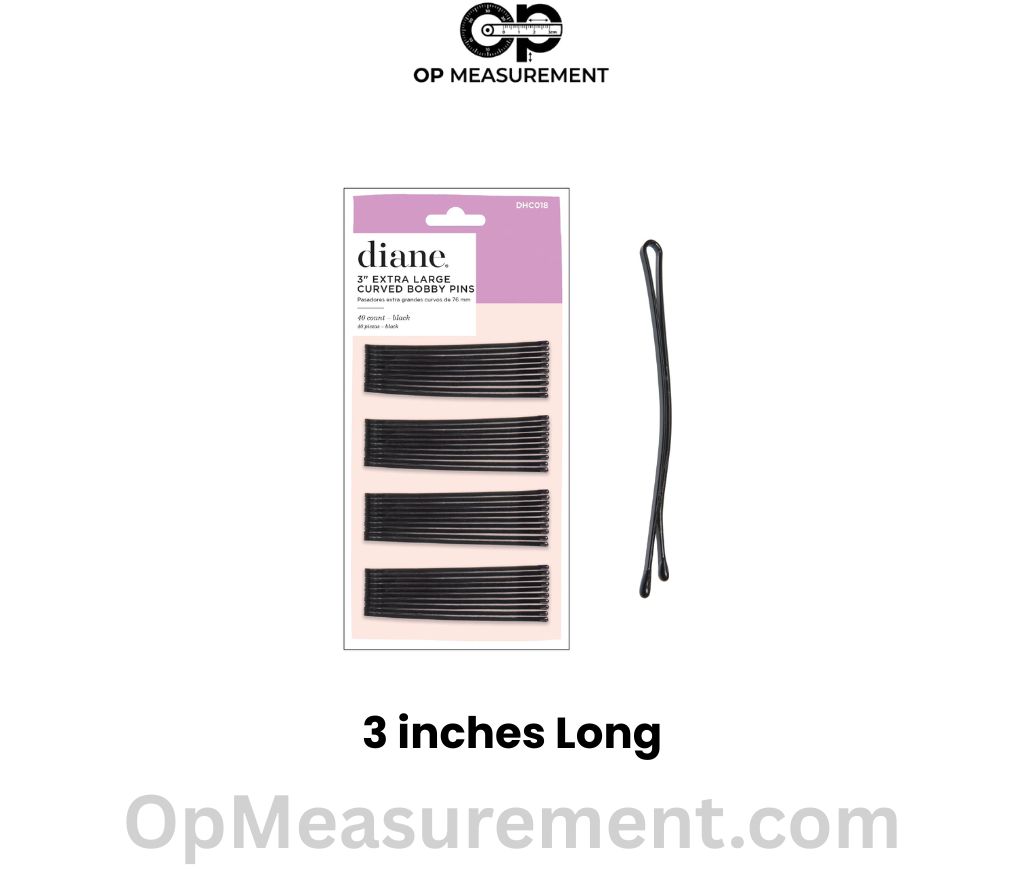
Regular bobby pins are 2 inches. The heavy-duty jumbo version — sold for thicker or longer hair — is manufactured at 3 inches. One extra inch changes how the pin feels in your hand more than you’d expect: the regular one nearly vanishes between fingers, the jumbo has real presence and grip.
That difference between 2 and 3 inches is worth feeling if you can. It’s a useful sensory calibration for what a single inch actually adds to a physical span.
Measuring 3 Inches Without a Ruler
Four fingers flat. Index through pinky, held together, pressed flat. Works for most adults. Not precise, but fast and always available.
Credit card long edge. 3.37 inches — just a sliver over. Reliable for estimates. Good for checking gaps and clearances where close is close enough.
US dollar bill, folded once lengthwise. A full bill is 6.14 inches long. Fold it in half and you get 3.07 inches. That’s within 2 millimeters of exact. Best field method when you need something flat and straight.
3 Inches of Hair — What It Actually Looks Like
A straight strand of hair measuring 3 inches hangs noticeably below the chin. For most people, it’s the length that marks the boundary between a cropped style and early short-bob territory — past the jaw, starting to show movement when you turn your head.
For curly or natural textures, shrinkage compresses visible length significantly. Three actual inches can appear to be 1.5 or even 1 inch depending on curl tightness. Measuring a stretched strand rather than a coiled one gives a true 3-inch reading. Both measurements are real — they describe different things.
Two Mistakes People Make Measuring This Length
Starting at the ruler’s tip, not the zero line. Most rulers have a gap between the physical edge and the printed zero mark. Press the ruler’s tip against an object without checking where zero actually begins, and you’ve introduced error before the measurement starts. Find the zero line. Start there.
Treating screen diagonal as screen width. A phone described as having a 6-inch screen is 6 inches diagonally — corner to corner. The width of that same phone might be 2.7 to 3 inches. These are completely different dimensions. Mixing them up causes real problems when buying cases, screen protectors, or comparing devices side by side.
Read more:
FAQ about 3 Inches
Is 3 inches the same as 7.62 cm exactly, or is that rounded?
It’s exact. One inch is legally defined as 2.54 centimeters under the 1959 International Yard and Pound Agreement. Multiply 2.54 by 3 and you get 7.62 — no rounding involved. That number is precise.
How does 3 inches look compared to a hand — specifically?
Four adult fingers held flat together span roughly 3 inches across. From the wrist crease up the palm, 3 inches lands about halfway up — just below the knuckle line on most people. It’s less than half your total hand length.
Why do smartphone widths cluster right around 3 inches?
Phone width evolved around the natural grip of one human hand. The average adult hand grips most comfortably at 2.8 to 3.2 inches. Manufacturers settled into that range because it’s what feels stable without being a reach for the thumb.
Can 3 inches of hair length look different on different people?
Yes, significantly. Hair texture, volume, and whether it’s wet or dry all change how 3 inches appears visually. On straight fine hair it looks longer than on thick curly hair where shrinkage can cut visible length almost in half. The measurement is the same. The appearance is not.
If I’m measuring a 3-inch gap for a fitting — pipe, shelf, cable — what’s the best no-tool method?
A folded dollar bill (6.14 inches halved = 3.07 inches) is the most reliable field method. A credit card long edge at 3.37 inches gives you a ceiling — if the card fits with noticeable room to spare, you’re under 3 inches. If it barely fits, you’re close.
Quick thought before you close this: which is longer — 3.5 inches or 9 centimeters?
(3.5 inches = 8.89 cm. So 9 cm wins — but only by about 1 millimeter. That’s how close these two systems run at this scale.)
For another size reference, see How Long Is 4 Inches?
Conversion reference: NIST unit definitions and conversion factors. Rounded values are for comparison; product dimensions and weights should be checked against the specific item.

Vera loves exploring the size and dimensions of everyday objects. She shares practical, visual guides to help readers understand measurements clearly. With a focus on accuracy and usefulness, Vera creates content that informs, engages, and supports learning for all.