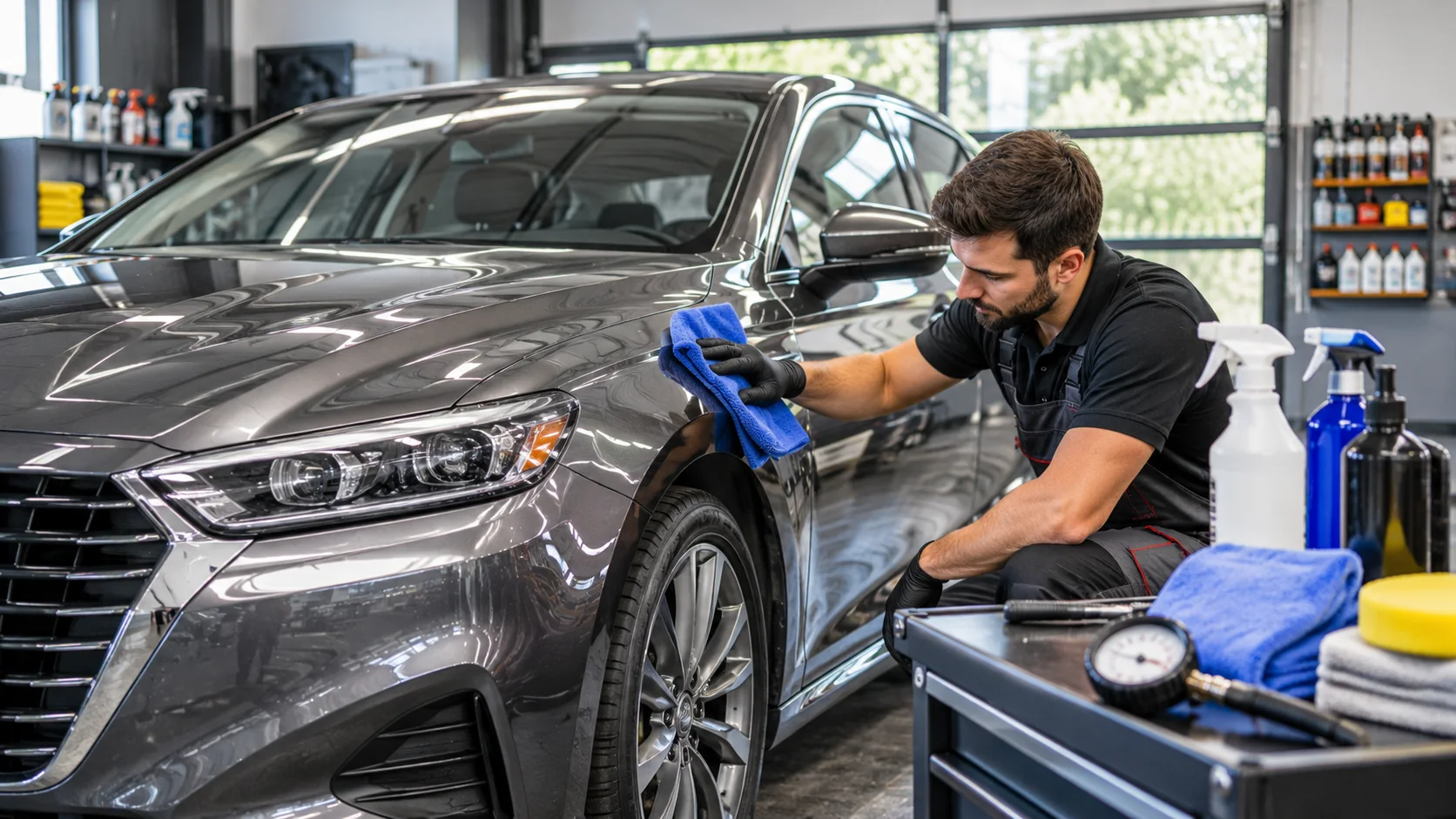
Good vehicle care does not have to mean spending every weekend washing, polishing, or organizing. A simple schedule helps you catch small issues early, keep the cabin comfortable, and protect the surfaces you see every day. For drivers considering longer-lasting exterior protection, ceramic coating for cars can be one option to discuss after the paint has been properly cleaned and prepared.
The most useful routine combines cosmetic care with basic visual checks. Cleaning cannot replace manufacturer-recommended service or mechanical repairs, but it can make it easier to notice tire damage, fluid spots, worn wipers, paint chips, and interior spills before they become harder to manage.
Why A Simple Routine Matters
Small repeatable tasks are usually easier to keep than an occasional all-day cleanup. A quick walk-around can reveal a new scrape, a nail in a tire, or a fresh drip under the vehicle. For example, a driver checking tire condition each month may spot one tire that repeatedly looks low and arrange an inspection before a longer trip.
The Weekly Vehicle Check
Set aside 10 to 15 minutes for a basic check, especially if the vehicle carries children, pets, work equipment, or frequent passengers.
- Remove trash, food containers, and loose items from the cabin.
- Wipe the steering wheel, door handles, console, and screen surround with a material-safe product.
- Clean the windshield, mirrors, lights, and backup camera.
- Look for visibly low tires, sidewall damage, or uneven wear.
- Check beneath the vehicle for fresh fluid spots.
Monthly Cleaning And Maintenance Tasks
Whether you prefer washing at home or scheduling auto ceramic coating and detailing services, a monthly reset gives you time to inspect the areas a quick weekly check can miss.
- Check tire pressure when tires are cold, including the spare when applicable.
- Inspect tread and sidewalls for unusual wear, cuts, bulges, or embedded objects.
- Top up windshield washer fluid if needed and inspect wiper blades for streaking or splitting.
- Vacuum mats, carpets, seats, crevices, and storage pockets.
- Clean cup holders, door jambs, vents, and frequently used touchpoints.
- Review the owner’s manual before checking or adding any vehicle fluid.
The recommended tire pressure information from the National Highway Traffic Safety Administration advises checking all tires at least monthly when they are cold and following the pressure shown on the vehicle placard or in the owner’s manual, not the maximum number printed on the tire sidewall.

How To Clean Without Causing Damage
Use The Right Order
Park in the shade when possible and allow hot panels to cool. Rinse away loose dirt before touching painted surfaces, use separate tools for wheels and tires, then wash the body from the top down. Rinse frequently so soap does not dry on the finish, and dry with clean microfiber towels. Save glass, lights, trim, and cameras for the final pass.
Reduce Runoff
Use only the water and cleaning product you need, and avoid directing wash water toward storm drains. The EPA notes that washing a car on pavement can carry soap and runoff into storm drains, which may lead directly to local waterways. Follow local rules and consider a commercial wash facility where appropriate.
Seasonal Vehicle Care
Spring
Remove winter road film and salt residue from the exterior and underside. Check tires after pothole season, inspect wipers after heavy rain, and clear pollen from exterior vents and trim.
Summer
Before road trips, inspect tire condition and pressure. Clean bugs and dust from the windshield, lights, cameras, and grille areas, and use sunshades or covered parking when practical to reduce heat exposure inside the cabin.
Fall
Clear leaves from the cowl area near the base of the windshield and from visible drains. Test headlights, brake lights, and turn signals as daylight hours shorten, and replace worn wiper blades before wet weather arrives.
Winter
Use washer fluid designed for freezing conditions. Remove salt and slush promptly, and clear snow and ice from windows, mirrors, lights, cameras, and the roof before driving.
Keeping The Interior Fresh
Surface wiping is helpful, but it may not remove embedded dirt, pet hair, food residue, or odors. Match the cleaner to the material, whether fabric, leather, vinyl, plastic, or a touchscreen, and test it on a hidden area first. Avoid soaking seats, headliners, electronic controls, or carpet padding. Address spills quickly, and investigate recurring musty smells because trapped moisture may need professional attention.
Protecting Paint, Glass, And Exterior Surfaces
Road film, bird droppings, tree sap, brake dust, bug residue, and water spots are easier to handle when removed promptly. Routine washing removes loose contamination, while deeper cleaning targets bonded buildup. Polishing is more corrective and may reduce fine marks, while protective treatments are intended to make routine cleanup easier. Avoid aggressive dry scrubbing, which can leave fine scratches in paint.
When To Call A Professional
Professional help may be worthwhile for deep stains, returning odors, heavy pet hair, mildew, water damage, paint oxidation, etched water spots, widespread swirl marks, or cloudy headlights that affect visibility. Persistent pressure loss, fluid leaks, unusual smells, warning lights, and drivability concerns require a qualified mechanic or safety inspection, not cosmetic cleaning alone.
Common Car Care Mistakes To Avoid
- Using the same towel on wheels, paint, glass, and interior surfaces.
- Washing a hot vehicle in direct sunlight.
- Scrubbing dry dirt across painted panels.
- Using household cleaners on leather, screens, or exterior trim.
- Ignoring chips, spills, odors, or leaks until they worsen.
- Inflating tires to the sidewall maximum instead of the vehicle’s specified pressure.
Frequently Asked Questions
How Often Should A Vehicle Be Deep Cleaned?
The right timing depends on climate, mileage, parking conditions, passengers, pets, and the vehicle’s current condition. A monthly interior reset and a more detailed cleaning as needed are a practical starting point.
Is A Car Wash The Same As Detailing?
A car wash generally removes surface dirt. Detailing usually involves more careful work on interior and exterior materials, crevices, stains, and finish condition.
Can Regular Cleaning Help Vehicle Resale?
Consistent care can help preserve appearance and make wear easier to identify. Resale value also depends on mileage, service history, overall condition, and market demand.
Should Drivers Clean The Interior Or Exterior First?
Remove trash and loose items first, clean the exterior, then complete final interior work. That order helps limit new dirt being tracked back into the cabin.
When Is Professional Help Worth The Cost?
Consider it when delicate materials, persistent stains or odors, oxidation, or extensive buildup need specialized tools and controlled techniques.
A practical car care routine is built on consistency, not perfection. A short weekly check, a monthly cleanup, and seasonal preparation can help keep the vehicle cleaner, more comfortable, and easier to monitor. Adjust the schedule for your driving habits, local weather, vehicle materials, and the owner’s manual.