Moving a business from market stall to multichannel sounds like a leap, but it works best as a sequence of small, paid-for steps.
Each stage below answers one question before money goes on the next: is there demand, can you supply it, where will you sell, and when is traffic worth paying for?
Follow the order and every stage produces the evidence the next one needs, so a modest budget stretches much further than a rushed launch.
Stage one: prove somebody wants it before you build anything
Start with search behaviour. Problem-led queries — the kind that describe a need rather than a brand — mean a new shop can compete on relevance.
Then test with something real: a pre-order form, a small sample run sold at your usual market, or a waiting list on a single page. assessing market demand before expanding a business
Signals that justify spending
Treat the move as justified when several of these signals show up together, without you pushing for them:
- Repeat purchases from the same customers within 60–90 days.
- People asking for sizes, colours or variants you do not yet stock.
- Steady enquiries during a week when you post and advertise nothing.
- A price point that still leaves a healthy gross margin after shipping and packaging.
What multichannel actually means at stall scale
Multichannel simply means selling the same stock in more than one place: the stall, your own store, a marketplace, and social channels.
The mistake is opening all of them at once. One channel run properly teaches you prices, questions and packing routines that transfer everywhere else.
| Channel | What it gives you | What it costs you |
|---|---|---|
| Market stall | Face-to-face trust and instant feedback | Your time, pitch fees and weather risk |
| Your own online store | Control, margin and customer data | The job of bringing every visitor yourself |
| Marketplace | Ready-made traffic and buyer trust | Fees, rules and rivals beside your listing |
| Social and live selling | Demonstration, urgency and community | Constant content and chat-based admin |
Stage two: sort sourcing before you sort design
Supply decides everything downstream — margins, delivery promises, photography and how often promotions are even possible. Settle your model before touching a template:
- Wholesale resale: fastest to launch and easiest to restock, but margins are thin and rivals may sell identical stock.
- Private label or made-to-order: stronger margins and identity, balanced against minimum order quantities that tie up cash.
- Handmade or small-batch: a story customers pay for, with a hard ceiling on volume unless you hire help.
When you approach suppliers, bring a business name, a trading history and specific questions about minimum orders, lead times and restock windows.
Ask what happens when a line is discontinued mid-season, and handle samples yourself for a fortnight before committing to a full case.
Stage three: choose a platform you can still run when you are busy
Judge platforms by a Tuesday evening test: who updates stock, edits a listing and answers messages when you are tired and busy?
Hosted platforms trade some flexibility for never patching a server. Open-source tools give control and hand you the maintenance instead. ecommerce website builders
Shortlist two, build the same five products in each, and check how easily your data exports if you ever decide to leave.
Don’t forget the counter
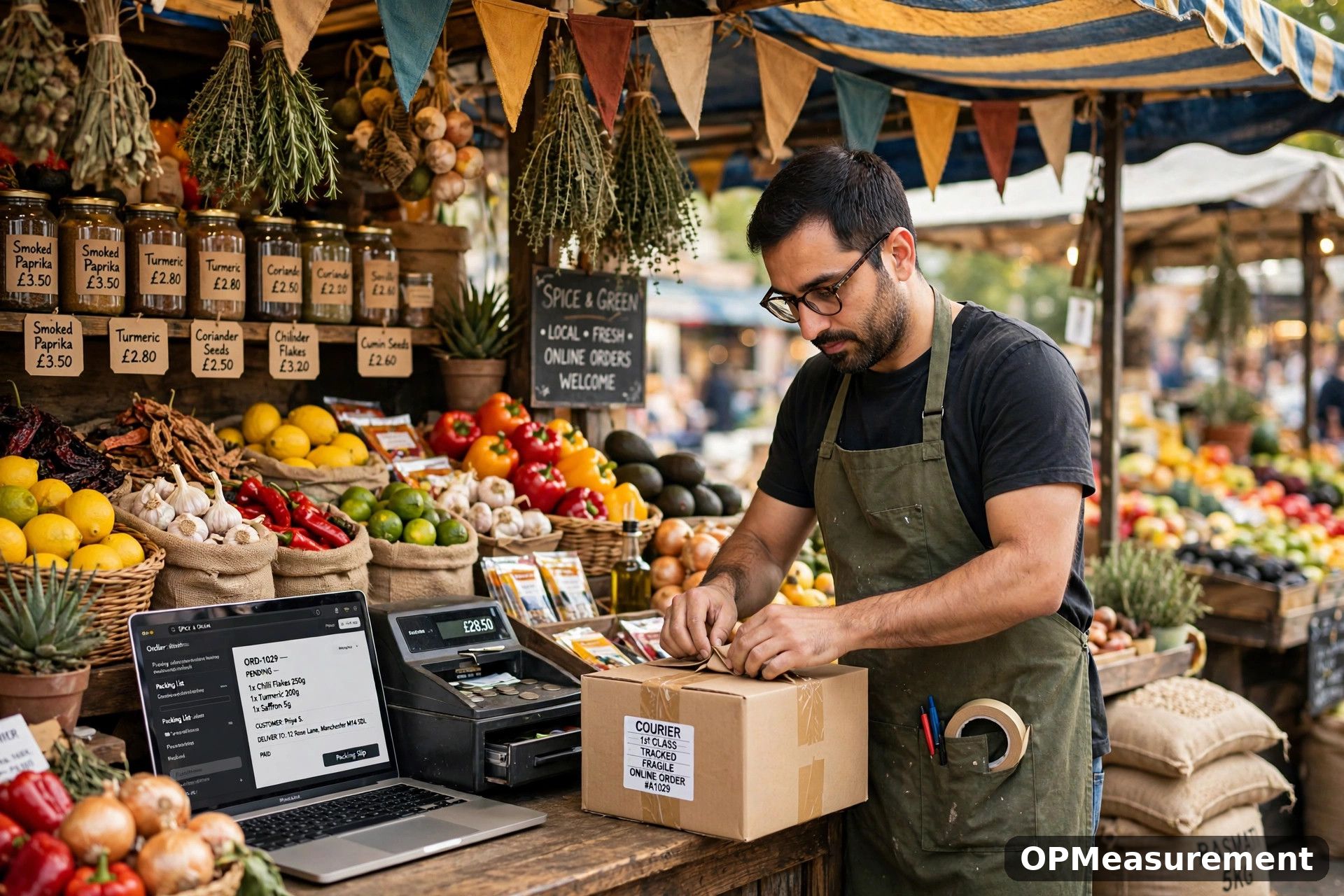
If you sell at markets or pop-ups, the till and the website must draw on one shared inventory, not two separate stock lists.
Two lists mean overselling, apology emails and refunds. One connected record also shows what each customer bought, wherever they bought it.
Stage four: add channels where your customers already spend time
Social selling works when a product benefits from demonstration or scarcity. Run live sessions like a stall: a regular slot, the product in hand, names answered.
Subscriptions fix retail’s hardest problem, forecasting. Consumables such as coffee, pet food and refills suit a simple recurring order on one best-seller.
Make pausing and skipping genuinely easy, and watch second-month retention closely. A subscription everyone leaves at month two is a discount scheme in disguise.
Stage five: pay for traffic once the shop converts
Advertising magnifies whatever your product pages already do. Paid clicks sent to thin pages only pay to confirm that they do not sell.
Fix the basics first: several clear images, honest sizing, delivery timescales up front, reviews, and a checkout that never demands account creation.
Then start narrow: one campaign, your highest-margin products, buying-intent terms, and a daily cap you could afford to lose for two weeks. how Google Ads pricing works
Where a platform’s own guidance helps
A platform that also handles marketing puts its teaching next to its tools, and that help is easy to underrate when you are starting out.
Before paying for advice, work through the free material: help centres, seller academies and worked examples that explain auctions, fees and campaign structure in plain terms.
Budgeting gets easier once you understand what you are actually bidding on, and fewer surprises survive into your first campaign.
The costs nobody puts in the launch budget
Launch budgets usually count the platform fee and the first stock order. The quiet costs arrive later: packaging, returns postage, photography and payment charges.
None of them is large alone. Together they decide whether a healthy-looking margin survives contact with real orders, so cost one full order line by line.
Include your own time in that costing. An hour spent re-photographing a product is an hour not spent selling it somewhere else.
A realistic first ninety days
Sequencing feels slow for about a month, then obvious. A workable shape for the first ninety days looks like this:
- Weeks 1–3: demand testing, keyword research, and a short pre-order or market trial.
- Weeks 3–6: supplier conversations, samples, and a costing sheet with shipping and packaging included.
- Weeks 5–8: build the storefront, photograph properly, and write product pages around real customer questions.
- Weeks 7–10: connect point-of-sale or market selling, launch to your existing list, and run a first live session.
- Weeks 10–13: a small, tightly targeted paid campaign, reviewed on margin rather than traffic.
Frequently Asked Questions
Do I need my own website if a marketplace already brings me buyers?
Eventually, yes. A marketplace rents you traffic but keeps the customer relationship, while your own store builds an asset and a mailing list you control.
How much stock should I list when the store opens?
Start with your proven sellers only. A small range you can photograph, describe and dispatch well beats a full catalogue handled thinly.
When should a stallholder stop trading in person?
Most should not. The stall keeps testing products, meeting customers and funding the online side; the channels strengthen each other rather than compete.
What is the first sign the sequence is working?
Repeat orders from people you have never met. That is the moment the store stops being an experiment and becomes a channel.
Conclusion
Going multichannel is not a relaunch; it is an order of operations. Demand first, supply second, a storefront you can run, channels your customers already use.
Paid traffic comes last, once the shop converts. Follow that order and growth is bought with evidence instead of hope, one stage paying for the next.