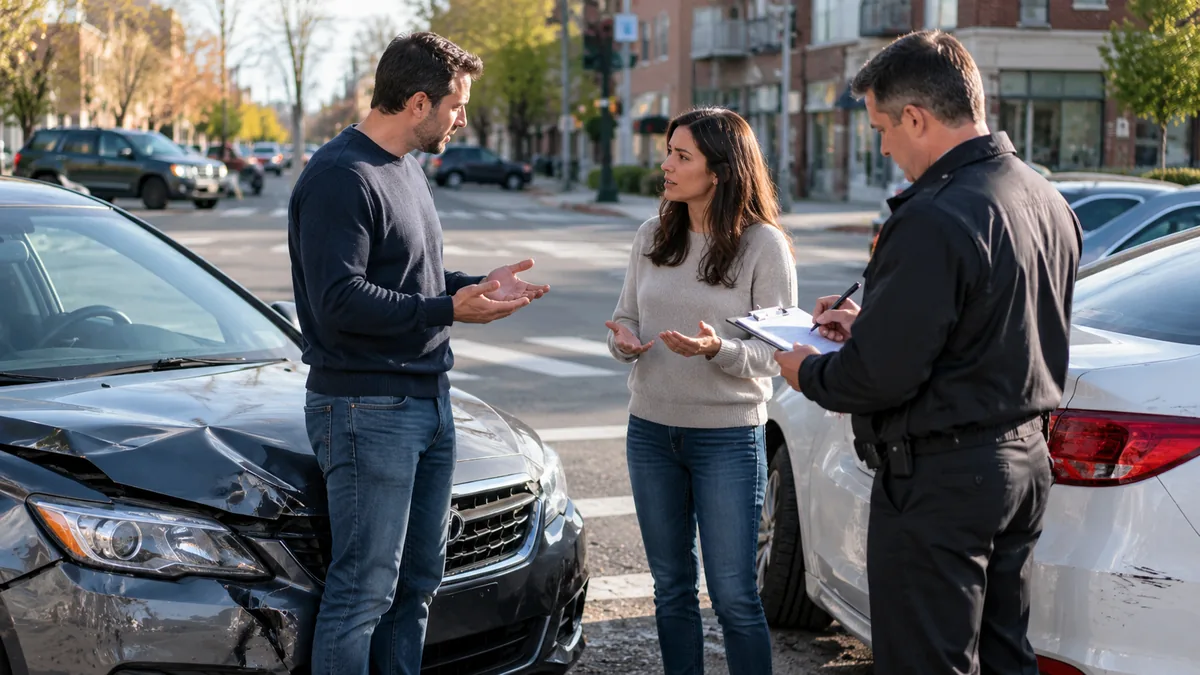
When No One Is 100 Percent at Fault
Few accidents have a single person to blame. Drivers misjudge a turn, pedestrians step out mid-block, and property owners overlook a hazard that a visitor fails to notice. When fault is split, the law has to decide how much each person can recover.
Most states answer that question with a rule called modified comparative negligence. It can change the value of a claim, and sometimes whether you can recover at all.
How Modified Comparative Negligence Works
Under this rule, you can still collect compensation even if you were partly responsible for the accident. Your share of fault simply reduces your payout.
There is a limit, though. If your fault reaches a certain percentage, you lose the right to recover anything. That cutoff is called the fault bar.
For example, say your damages total $100,000 and you are found 20 percent at fault. Your recovery drops to $80,000. If your fault crosses the bar, the recovery drops to zero.
Three Ways States Handle Shared Fault
States generally fall into one of three camps.
Pure Comparative Negligence
A smaller group of states lets injured people recover something no matter how much fault they carry. Even a person who is mostly responsible can collect a reduced amount.
Contributory Negligence
A few jurisdictions still apply the harshest standard. Being even slightly at fault can bar recovery completely.
Modified Comparative Negligence
Most states land in the middle. They allow recovery up to a set threshold, usually 50 or 51 percent.
Why 50 Versus 51 Percent Matters
The difference between the two bars looks small, but it can decide a case.
In a 50 percent bar state, a claimant found equally at fault as the other party recovers nothing. In a 51 percent bar state, that same claimant can still collect half of their damages. Recovery ends only when fault passes the halfway mark.
Texas follows the 51 percent rule. If you were hurt in a crash, a dedicated personal injury lawyer can explain how that threshold applies to your situation.
Because one percentage point can be worth thousands of dollars, fault percentages are often the most fiercely contested issue in settlement talks.
How Fault Gets Decided
Fault is rarely obvious. Adjusters, defense attorneys, and sometimes juries look at several kinds of evidence, including:
- Police reports
- Witness statements
- Photos and video from the scene
- Dashcam or surveillance footage
- Medical records tied to the timing of the injury
Physical measurements can also provide useful context when documenting an accident scene. Road width, vehicle positions, and distances may help investigators understand how a collision occurred.
For a simple visual reference, our guide to things that measure around 25 feet includes an everyday two-lane roadway example.
Each piece can move the percentage in one direction or the other.
Insurance companies know this. They often work to raise an injured person’s share of blame, because even a small bump can shrink or erase a payout.
Early fault findings are not final. New evidence, expert analysis, or testimony from treating doctors can change the outcome.
Steps to Protect Your Claim
What you do after an accident can influence how fault is assigned. These steps help.
Get Medical Care Right Away
Prompt treatment creates a documented link between the accident and your injuries. That record matters if fault is questioned later.
Document the Scene
Photograph the location and gather witness contact information. Save any dashcam or surveillance footage before it is overwritten.
Be Careful What You Say
An offhand comment, including an apology, can be twisted into an admission of fault. Stick to the facts and avoid speculating about what happened.
Keep Detailed Records
Track your pain levels, medical appointments, and missed work. These details show the full extent of your damages.
Do Not Wait Too Long
Every state sets a filing deadline for injury claims. Delay can weaken your case and put your right to compensation at risk.
How an Attorney Can Help
Disputes over fault often decide the outcome of an injury case. An experienced attorney can investigate from every angle. That includes collecting police reports, interviewing witnesses, and working with accident reconstruction or medical experts.
This preparation matters most when an insurer is trying to shift blame onto you. A skilled lawyer answers those tactics with documented evidence, not assumptions.
Being told you share some fault does not mean your claim is over. If you were injured and want to know where you stand, you can find a personal injury attorney near you to review the evidence, challenge unfair fault allocations, and pursue the compensation you may be owed.