
40 feet equals 480 inches, exactly 12.192 meters, and 13.333 yards, rounded. The examples below are size comparisons, not universal dimensions. Check the stated product length and distinguish height, width, interior space, and overall length. Count steps only after measuring your own step length.
40 feet is 12.19 meters, 1,219 centimeters, or 480 inches. Walk 13 normal steps forward from where you’re sitting right now. That distance — roughly the length of a city bus stopped at a red light — is 40 feet.
Most people can’t picture it. That’s the problem this article solves.
How Long Is 40 Feet, Really?
Forty feet sits in an awkward zone. Too big to hold in your head, too small to feel dramatic. It doesn’t register the way “a mile” or “an inch” does because nothing in daily language anchors it.
At 3 miles per hour, walking 40 feet takes about 9.1 seconds. A building with four 10-foot floor-to-floor intervals spans 40 feet, but real buildings have different floor heights.
| Unit | Value | What It Feels Like |
| Feet | 40 ft | Base |
| Inches | 480 in | 40 rulers end to end |
| Centimeters | 1,219.2 cm | Taller than 8 average doors stacked |
| Millimeters | 12,192 mm | Engineering-level precision |
| Meters | 12.19 m | Slightly longer than a standard tennis court is wide |
| Yards | 13.33 yds | About 13 big adult walking steps |
Conversions follow the International Yard and Pound Agreement of 1959 — one foot equals exactly 0.3048 meters, no rounding involved.
13 Daily-Life Things That Measure 40 Feet
| Object | Category | Dimension |
| ISO Shipping Container | Logistics | 40 ft / 12.19 m |
| City Transit Bus | Transport | 40 ft / 12.19 m |
| Type D School Bus | Transport | 40 ft / 12.19 m |
| Semi-Trailer (40ft) | Transport | 40 ft / 12.19 m |
| Extension Ladder | Tools | 40 ft / 12.19 m |
| Utility Pole | Infrastructure | 40 ft / 12.19 m |
| Four-Story Building | Construction | 40 ft / 12.19 m |
| Class A Motorhome | Lifestyle | 40 ft / 12.19 m |
| Whale Shark (Adult) | Nature | 40 ft / 12.19 m |
| Residential Lap Pool | Home | 40 ft / 12.19 m |
| Large Gathering Yurt | Lifestyle | 40 ft / 12.19 m |
| Outdoor Extension Cord | Tools | 40 ft / 12.19 m |
| Commercial String Lights | Home | 40 ft / 12.19 m |
1. Standard ISO Shipping Container
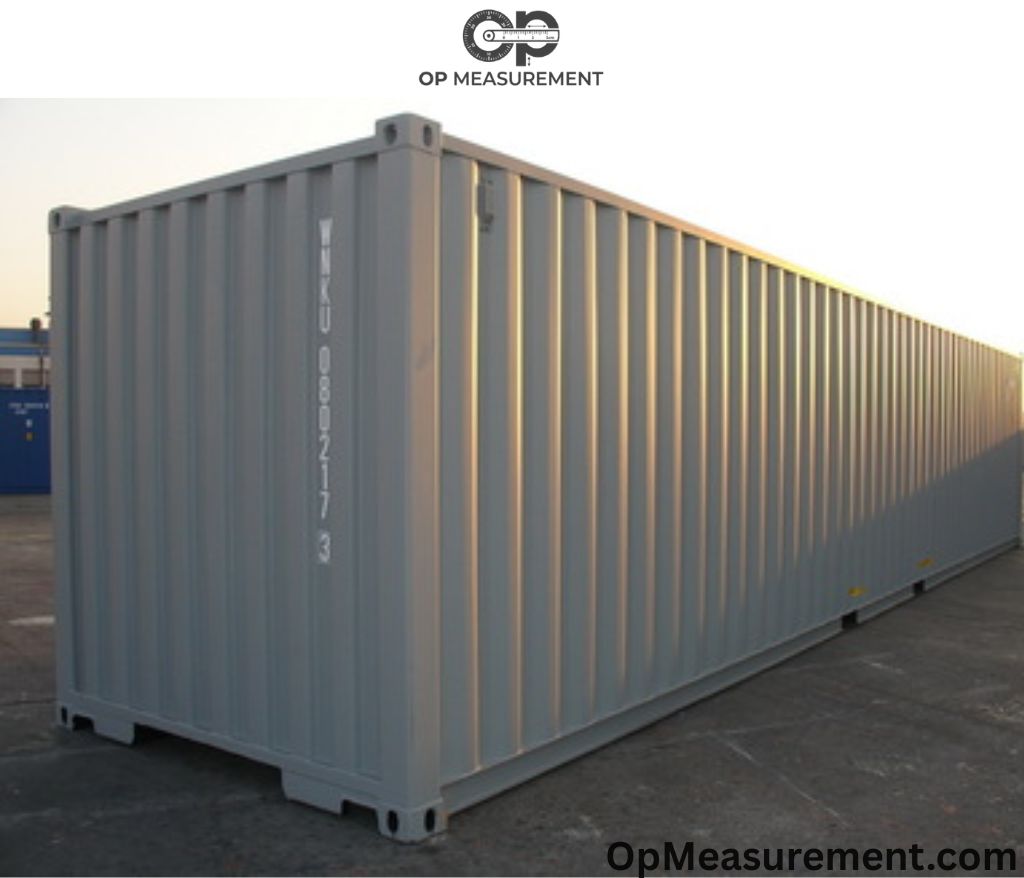
Walk up to one of these at a port or on a freight train and you’ll feel the 40 feet immediately — it’s long enough that you can’t take in both ends at once without turning your head. The ISO 40-foot container is the exact reference the global shipping industry built itself around. Every cargo ship slot, every rail car frame, every port crane arm is designed around this single dimension.
The steel walls are about 8 feet wide and 8.5 feet tall, so the container looks long and narrow from the side. That visual — long, low, and stretching — is exactly what 40 horizontal feet looks like at eye level.
2. Full-Size City Transit Bus

The standard city bus used in most urban transit systems lands right at 40 feet bumper to bumper. Engineers landed on this length because it fits standard city block intersections while still holding around 40 seated passengers — a practical compromise between capacity and turning radius.
Stand at the front door and walk to the rear exit the next time you ride one. Count your steps. Thirteen to fourteen steps in, you’re at the back. That walk is 40 feet in real time, under fluorescent lights, with strangers.
3. Full-Size Type D School Bus
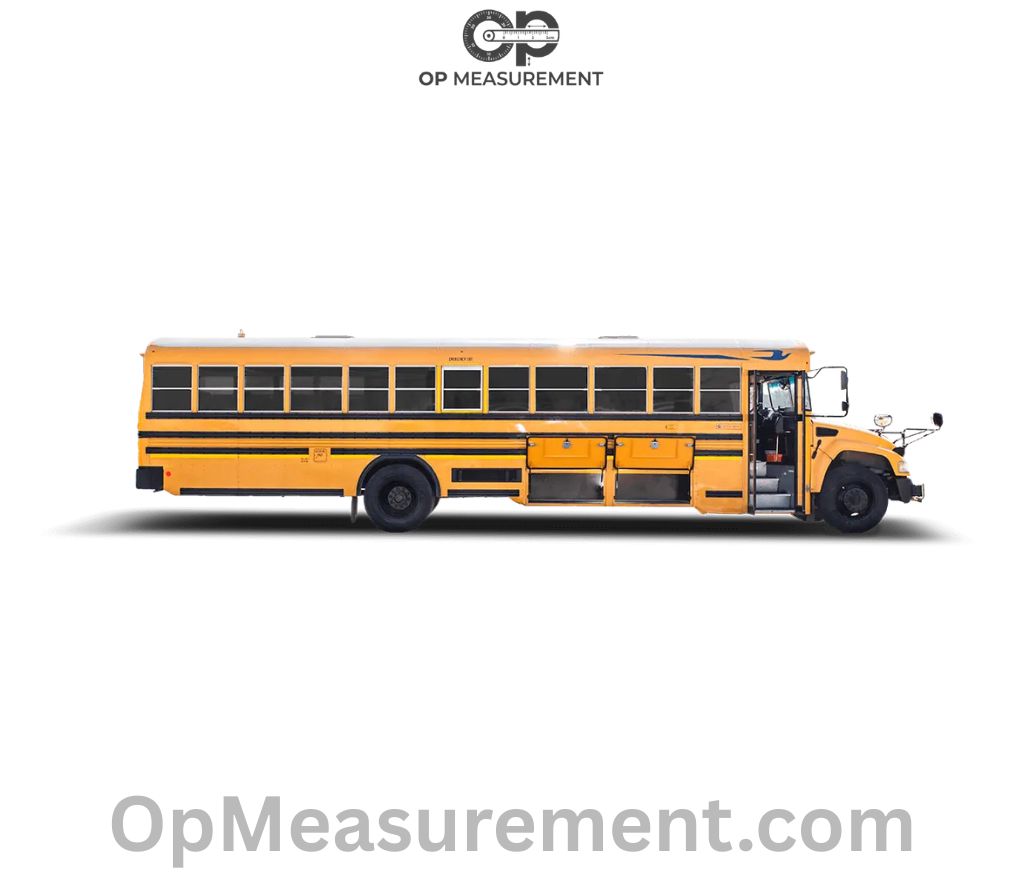
These are the large flat-fronted school buses — not the short van-style ones. Type D buses are built to transit-style specifications, and at full length they measure right around 40 feet. The design prioritizes student capacity, so every inch of that 40 feet is used.
From the outside, the scale of these buses reads differently than a city bus because of the bright yellow paint and the boxy profile. But measure one and you’ll land at the same number. Same dimension, different context.
4. Semi-Trailer (40-Foot Variant)
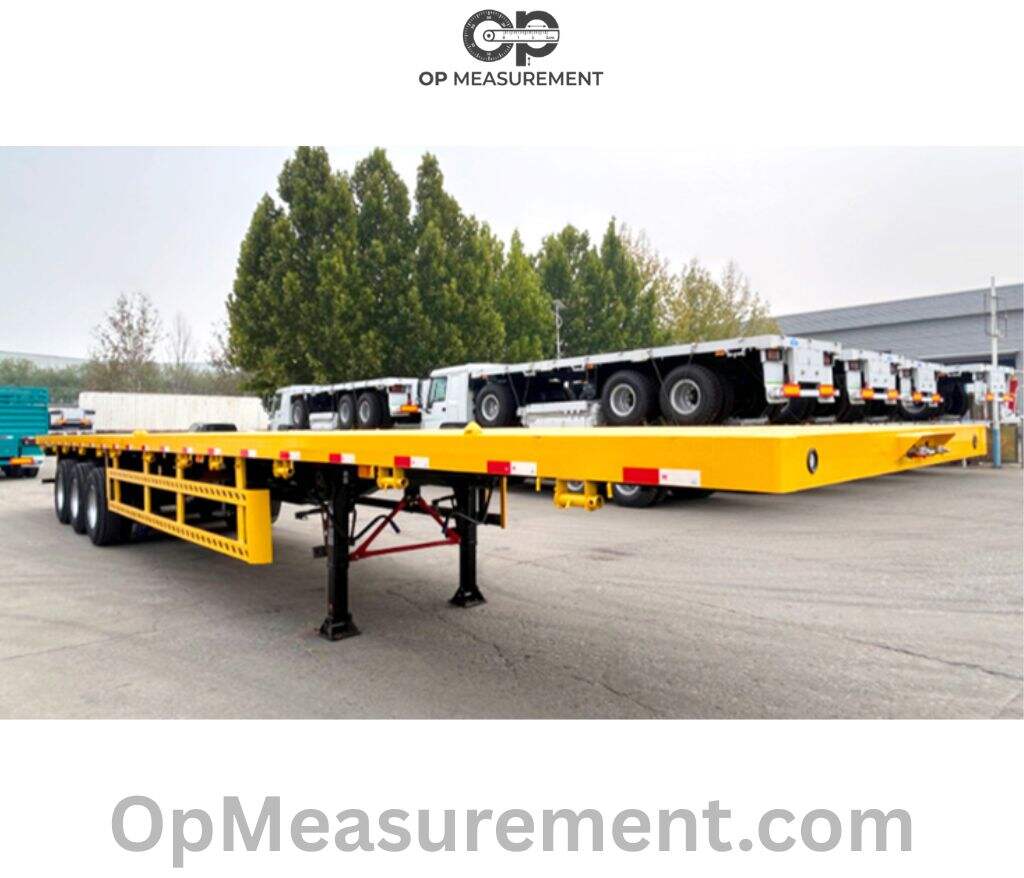
Semi-trailers come in multiple lengths — 28 feet, 40 feet, 48 feet, 53 feet — and the 40-foot version remains one of the most common in circulation. It fits standard loading docks, transfers onto ISO shipping frames, and handles most freight categories that don’t require the full 53-foot length.
Next time a semi pulls up beside you at a stoplight, look at the trailer. If it ends a few feet past the rear axle without a long overhang, it’s likely the 40-footer. The cab adds another 20-plus feet in front of it, which is why full truck-and-trailer combinations look so much longer than 40 feet.
5. Professional Extension Ladder (Fully Extended)
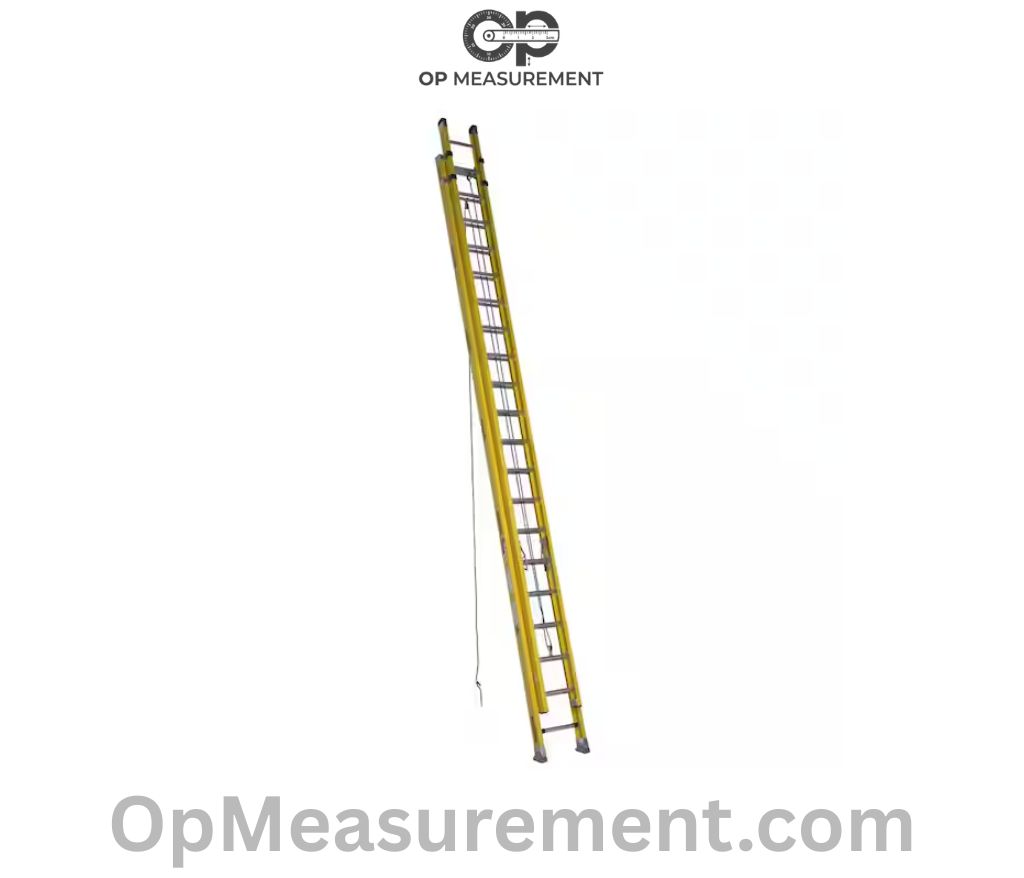
A ladder marketed as 40 feet has a nominal size; overlapping sections mean its maximum working length can be shorter. For example, Werner lists the D1540-2 at 35 feet maximum working length. Check the model and setup instructions rather than treating a 40-foot ladder as a 40-foot vertical height.
Laying one flat on the ground before raising it gives you a horizontal 40 feet that’s surprisingly thin and long-looking. Most people expect it to look more substantial. It doesn’t. That visual gap between expectation and reality is one of the reasons 40 feet is hard to picture without references.
6. Telephone or Utility Pole
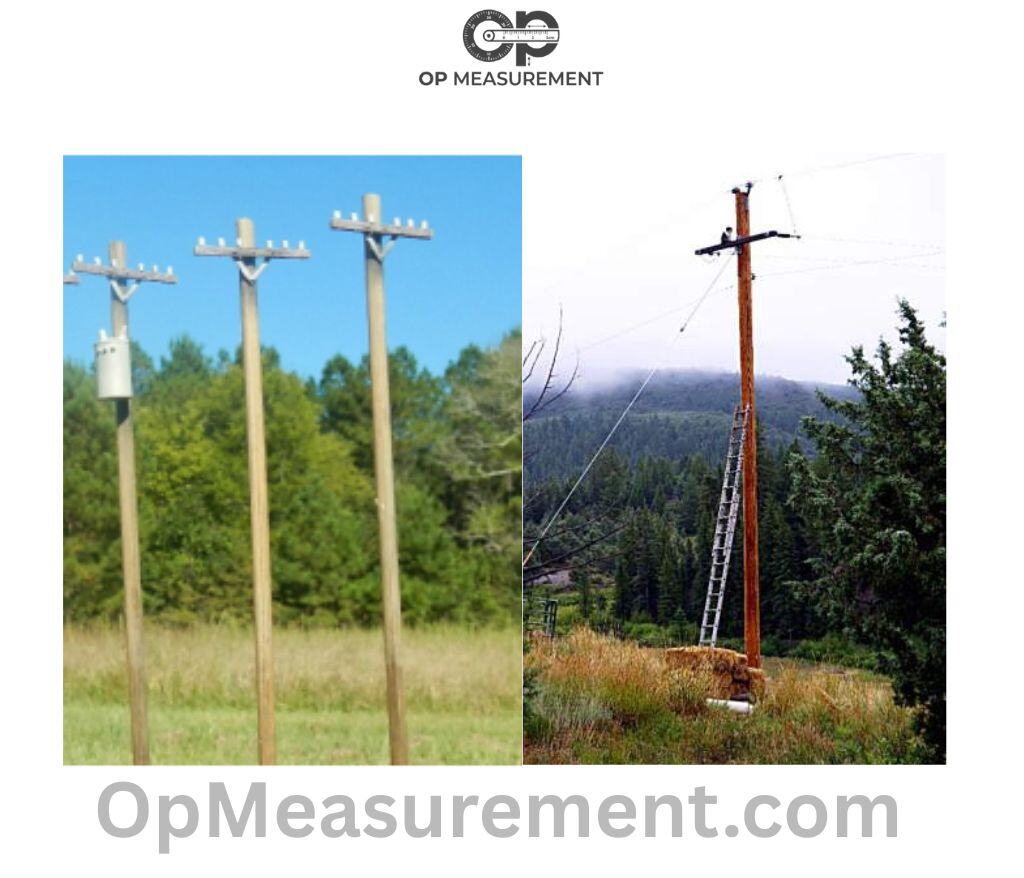
A pole specified as 40 feet refers to its total manufactured length. Part is installed below ground, and embedment varies with the design and conditions. Visible height cannot be inferred by always subtracting 10 feet.
Use the pole’s specification and installation details if you need its actual above-ground height. Utility poles come in several lengths and are not a dependable universal measuring reference.
7. Four-Story Building
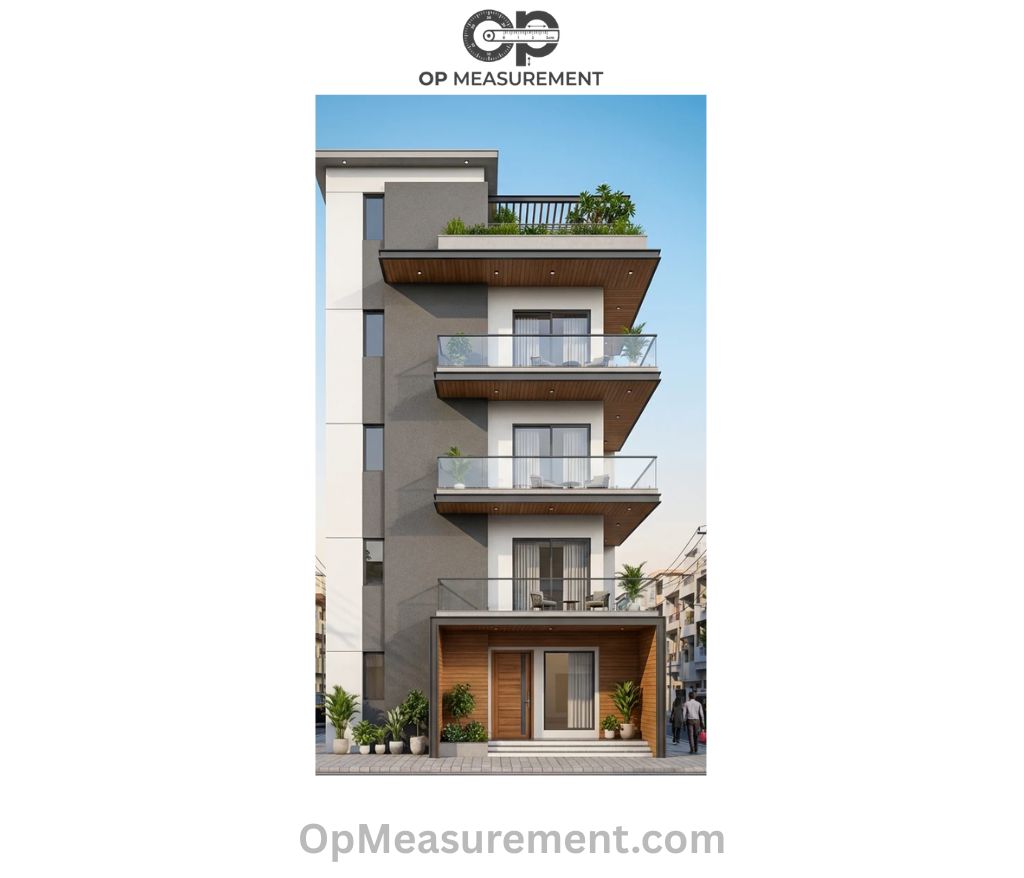
Four floor-to-floor intervals of 10 feet total 40 feet. Actual floor heights vary, and roofs or parapets can add height, so a four-story building is only a conditional comparison.
A four-story building gives a broad visual comparison. It does not establish an exact 40-foot height without a measured or published dimension.
Read more: How Long Is 25 Feet?
8. Luxury Class A Motorhome
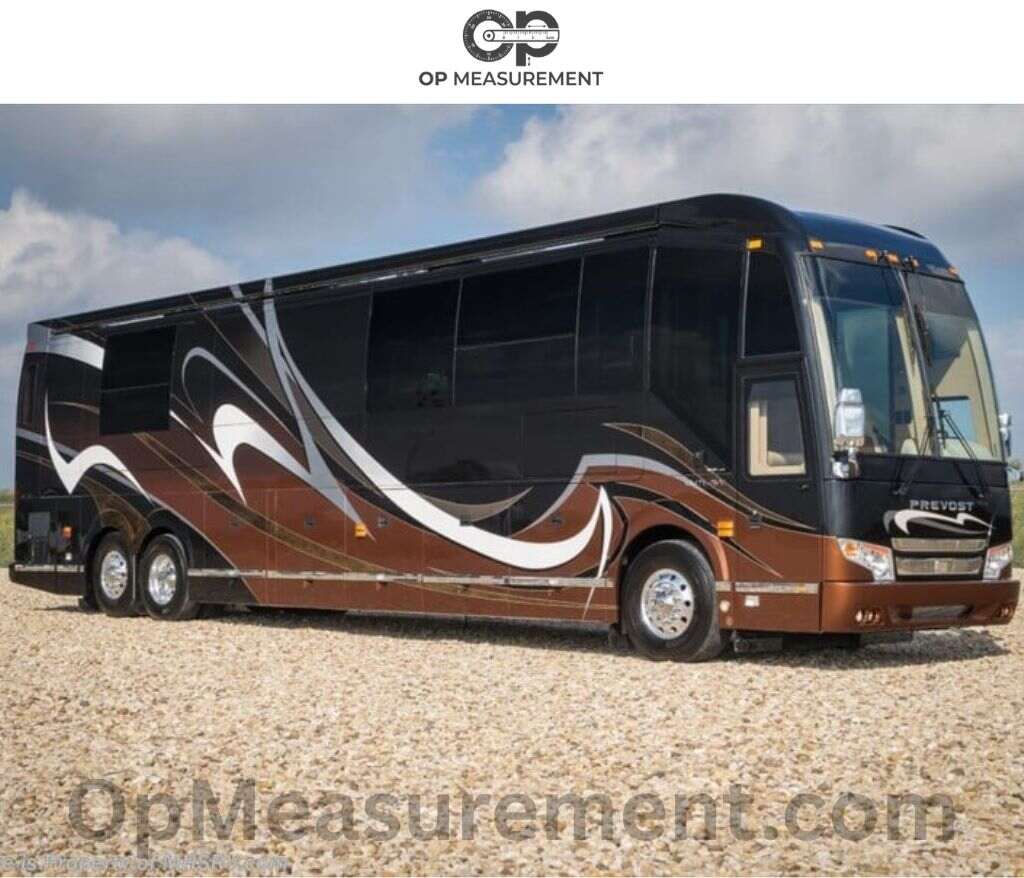
Class A motorhomes come in several lengths, including models around 40 feet. Forty feet is not a universal maximum or a blanket permit threshold. Check the actual vehicle dimensions and applicable local rules.
At 40 feet, a Class A motorhome is nearly identical in length to a city transit bus. The difference is what’s packed inside. A bus holds passengers. This holds a bedroom, bathroom, kitchen, dining space, and a living room — all within the same external footprint. That compression of living space into 40 feet is impressive in person.
9. Whale Shark (Adult)

A mature whale shark — the largest fish on Earth, not a whale despite the name — commonly reaches a body length of around 40 feet. These animals are filter feeders and completely non-threatening to humans, but their scale is something that stops divers cold the first time they encounter one.
The average adult human is about 5.5 to 6 feet tall. A 40-foot whale shark is roughly 6 to 7 humans laid head to toe. If one swam past you in open water at a relaxed pace, its body would take several seconds to fully pass your field of vision. That’s 40 feet moving through space in a way no building or bus can replicate.
Read more: How Long Is 30 Feet?
10. Residential Lap Pool
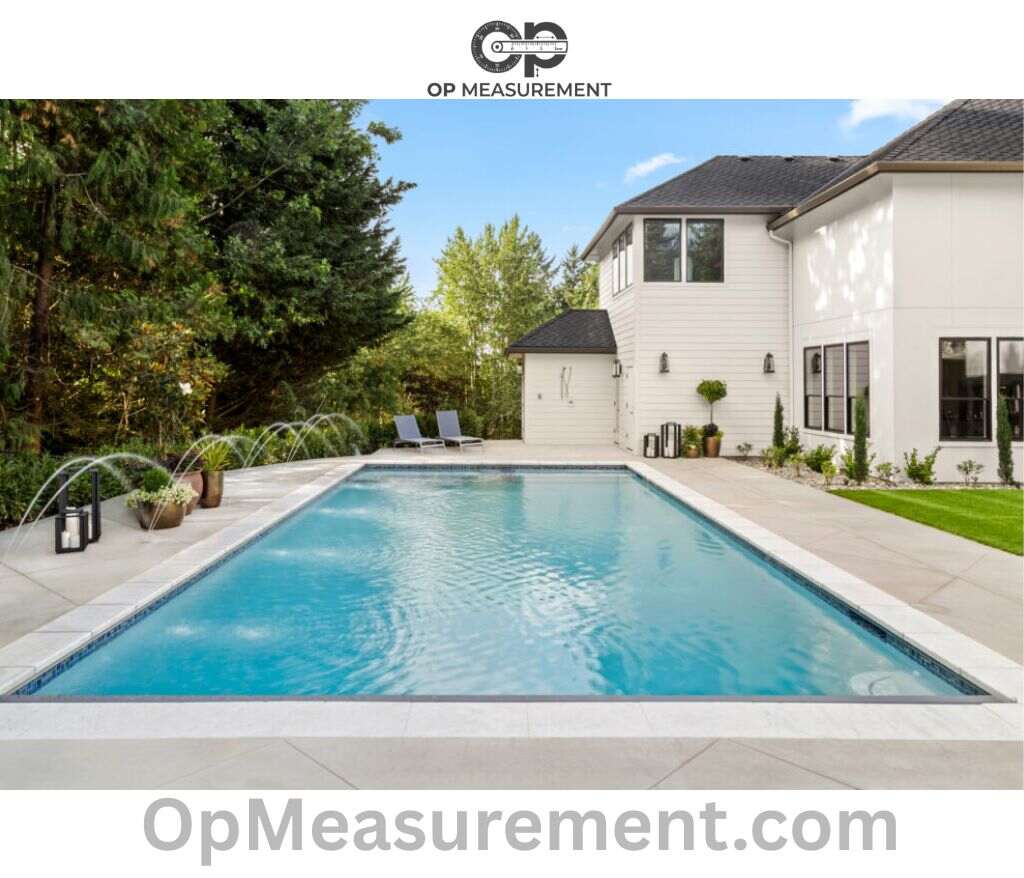
Backyard lap pools designed for actual swimming exercise — not just soaking — are commonly built at 40 feet. This length gives a real swimmer enough distance to develop a full stroke rhythm before the turn. Shorter pools interrupt the flow too quickly. Longer ones don’t fit most residential lots.
The 40-foot pool is a thoughtful middle point. From the push-off wall to the far end is a genuine 40-foot stretch of water. Swim four laps and you’ve covered 160 feet — a measurable, trackable workout in a space that fits inside a typical backyard.
11. Large Gathering Yurt
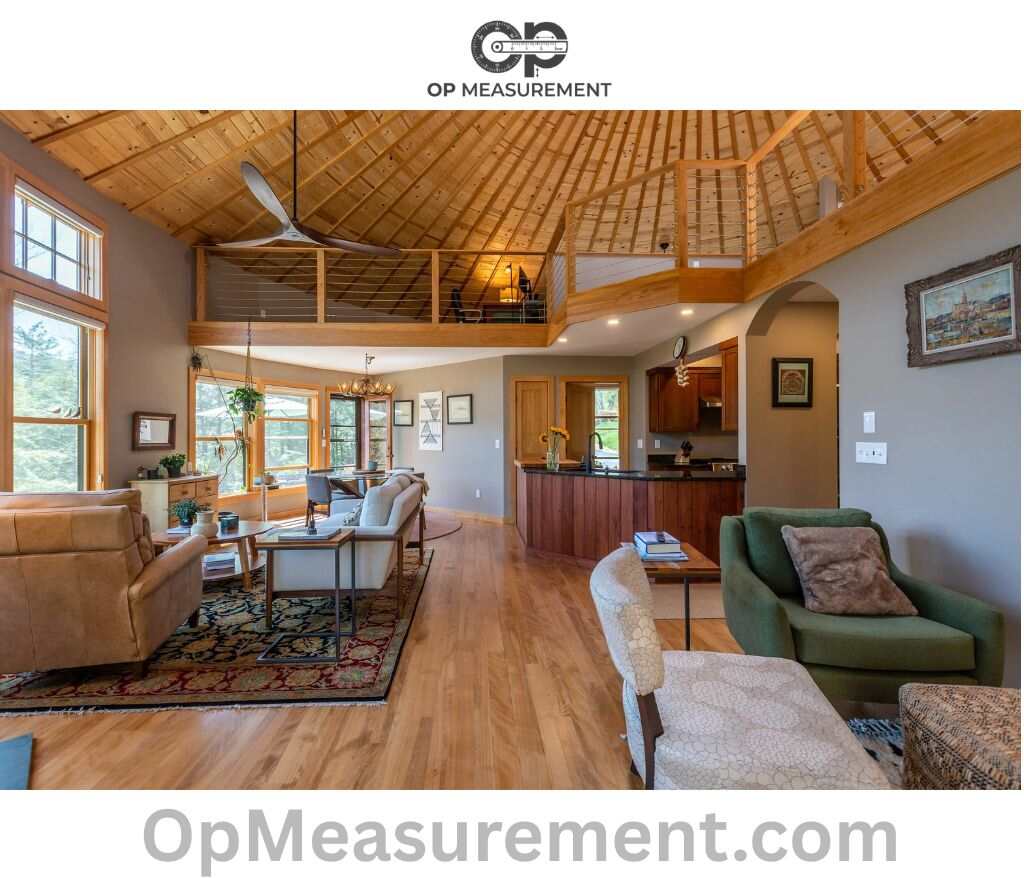
Traditional yurts come in many sizes, and the large-format versions used for events, retreat centers, or high-end glamping often measure 40 feet in diameter. That means the straight-line distance from one side of the circular interior to the opposite wall — through the center — is 40 feet.
Standing in the middle of one, the 40-foot diameter feels generous but not cavernous. There’s enough room for a stage, seating, and aisles — which is why these structures get used for workshops and ceremonies. The circular geometry makes 40 feet feel different than 40 feet in a rectangular room. It feels rounder, somehow more contained, even though the raw number is the same.
12. Heavy-Duty Outdoor Extension Cord
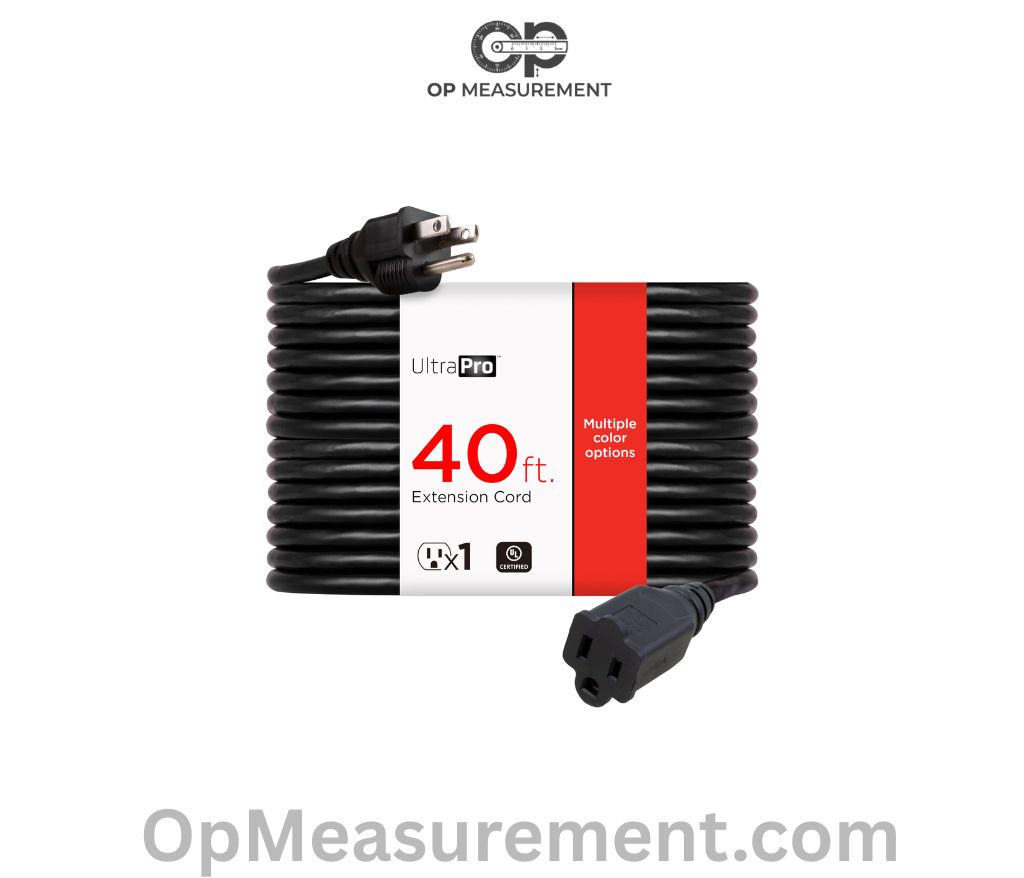
Job-site-grade outdoor extension cords — the thick, rubber-jacketed kind rated for power tools in wet conditions — are manufactured in standardized lengths, and 40 feet is one of the most common. This length gives a worker enough reach to cover most residential jobsites from a single exterior outlet without chaining cords together.
Stretch one of these across a driveway and the visual is surprisingly clear. It’s not a dramatic length from a distance, but walking beside it from one end to the plug changes the perception. At ground level, horizontal and uncoiled, 40 feet suddenly reads correctly.
Read also: How Far Is 100 Feet?
13. Commercial Outdoor String Lights (40-Foot Strand)

Professional-grade outdoor string lights used for large venue decorations, tree wraps, and commercial displays are frequently sold in 40-foot lengths. This isn’t decorative packaging — it’s a practical dimension. A 40-foot strand wraps a mid-sized tree completely, covers a standard residential roofline once, or strings across a backyard from fence post to house with room to spare.
Uncoil one on the ground and walk its length. Most people are surprised at how far 40 feet goes when it’s strung in a gentle curve above head height. The perception changes depending on orientation — horizontal overhead feels shorter than vertical on a wall, even though the length is identical.
Three Ways to Estimate 40 Feet Without a Tape Measure
Count your steps. Most adults have a walking stride of about 2.5 to 3 feet. Take 14 steps at your natural pace — that lands you at 35 to 42 feet, depending on your gait. Close enough for framing a garden bed, marking a parking spot, or estimating a room.
Use a standard interior door as a stacking reference. Interior doors are almost universally 6 feet 8 inches tall. Six of those stacked top to bottom reaches 40 feet. It’s a strange mental image but a reliable one — most people have a strong sense of how tall a door is.
Use your car. Most mid-size sedans are between 14 and 16 feet long. Park three of them bumper to bumper in your mind — that’s roughly 42 to 48 feet. Adjust down slightly and you have your 40-foot estimate.
Two Measuring Mistakes That Actually Cost People
Confusing 40 feet with 40 meters. It sounds unlikely until it happens. 40 meters is 131 feet — more than three times the distance. On international spec sheets, blueprints from overseas architects, or product listings from European manufacturers, “40” written without a unit can mean something dramatically different. Confirm the unit before ordering materials or breaking ground.
Measuring a room diagonally and calling it the length. A rectangular room that’s 30 feet long and 27 feet wide has a diagonal of almost exactly 40 feet. That’s a real source of confusion when people describe room sizes casually. “It’s a 40-foot room” might mean the actual length, or it might mean someone measured corner to corner. Always clarify which.
Read more:
FAQ’s about 40 Feet
1. How can I quickly estimate 40 feet without tools?
Divide 40 feet by your measured step length for a rough estimate. For example, a 2.5-foot step gives 16 steps, while a three-foot step gives about 13.3. Measure the distance directly for layout work.
2. Why is 40 feet such a common length in real life?
It comes down to function. Many industries—transport, construction, and design—settled on 40 feet because it balances space, movement, and efficiency without being too large to manage.
3. Is 40 feet easy to recognize by sight?
Not always. From a distance, it blends into the background. But when you walk alongside it—like next to a bus or container—it becomes much easier to understand.
4. What’s the biggest mistake people make with this measurement?
Mixing it up with meters. 40 meters is over three times longer. That confusion can lead to serious errors in planning or buying materials.
Final Words
Once you connect 40 Feet to real-world objects, it stops being just a number. It becomes something you can judge, estimate, and trust in everyday situations. Whether you’re measuring space, planning a project, or just satisfying curiosity, having a clear mental picture saves time and avoids mistakes. Keep one or two strong references in mind—like a bus or your own walking steps—and you’ll always have a quick, practical sense of this distance wherever you go.
For another size reference, see How Long Is 50 Feet?
Conversion reference: NIST unit definitions and conversion factors. Rounded values are for comparison; product dimensions and weights should be checked against the specific item.
Specifications for the examples above: Werner ladder dimensions.

Vera loves exploring the size and dimensions of everyday objects. She shares practical, visual guides to help readers understand measurements clearly. With a focus on accuracy and usefulness, Vera creates content that informs, engages, and supports learning for all.