100 grams equals 0.1 kilogram, about 3.527 ounces, or 0.2205 pound. A food package labeled 100 g gives a practical net-weight reference; the wrapper adds extra mass. The everyday examples below vary, so use a scale when accuracy matters.
Pick up a new bar of soap. Feel that? Solid, smooth, fits right in your palm without effort. That’s roughly 100 grams — and once you know what it feels like, you’ll start noticing it everywhere.
100 grams is one-tenth of a kilogram. Light enough to forget you’re holding it, but present enough to feel real. It shows up in your kitchen, your pocket, your desk drawer, and your bathroom every single day.
What Weighs 100 Grams: Daily Use Items That Weigh 100 Grams
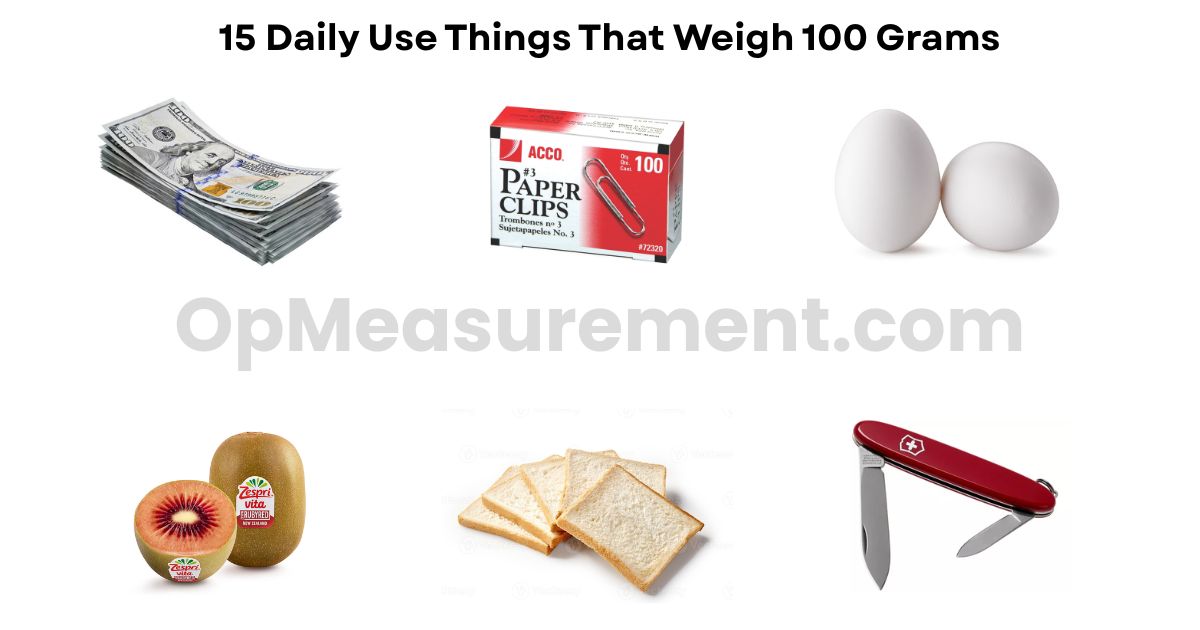
The examples below include labeled 100-gram portions and approximate household comparisons. Check the exact package or model, and use a scale when an accurate weight matters.
| Object | Category | Weight |
| Dove Soap Bar (new) | Daily Life | 100–106g |
| Standard Chocolate Bar | Food | 100g |
| Two Medium Eggs | Food | ~100g |
| Deck of Playing Cards | Daily Life | 94–100g |
| Victorinox Pocket Knife | Tools / DIY | 100g |
| 20 Sheets of 80 gsm A4 Paper | Daily Life | Calculated 99.792 g; approximately 100 g |
| 100 Paperclips | Tools / DIY | Variable; not an exact 100 g reference |
| Half Cup Granulated Sugar | Food | 100g |
| 5 Slices White Bread | Food | ~100g |
| Large Kiwifruit | Food | 100–120g |
| Small Spice Packet | Food | 100g |
| 100 U.S. Dollar Bills | Daily Life | 100g |
| Newborn Kitten | Daily Life | ~100g |
| Small Pillar Candle | Daily Life | 50–100g |
| 20 UK 20p Coins | Daily Life | 100g |
1. A New Bar of Dove Soap
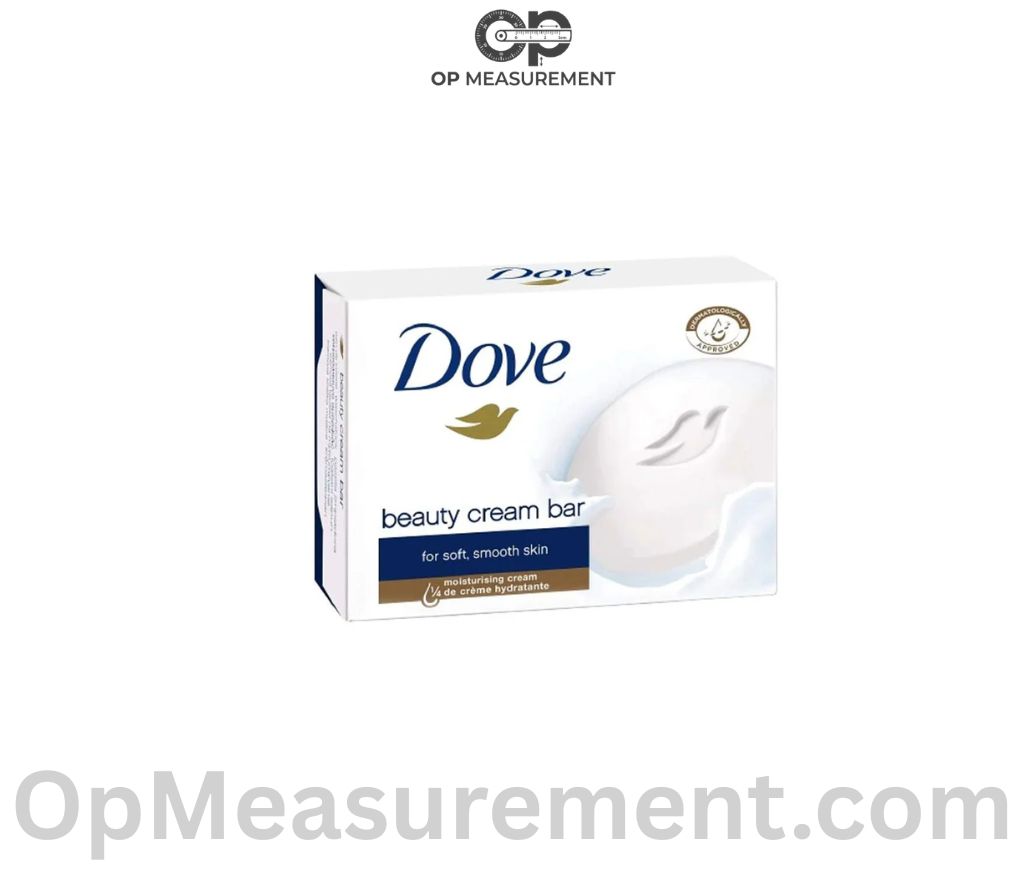
Choose a soap bar labeled 100 g net weight. Brands sell several bar sizes, and a used bar becomes lighter. A 106 g bar is close, but it is not exactly 100 g.
Hold one under running water and notice how it fits across your palm. That flat, slightly rounded shape distributes the weight evenly. It doesn’t feel heavy. It feels just right — which is probably why soap manufacturers landed on this size in the first place.
2. A Standard Chocolate Bar
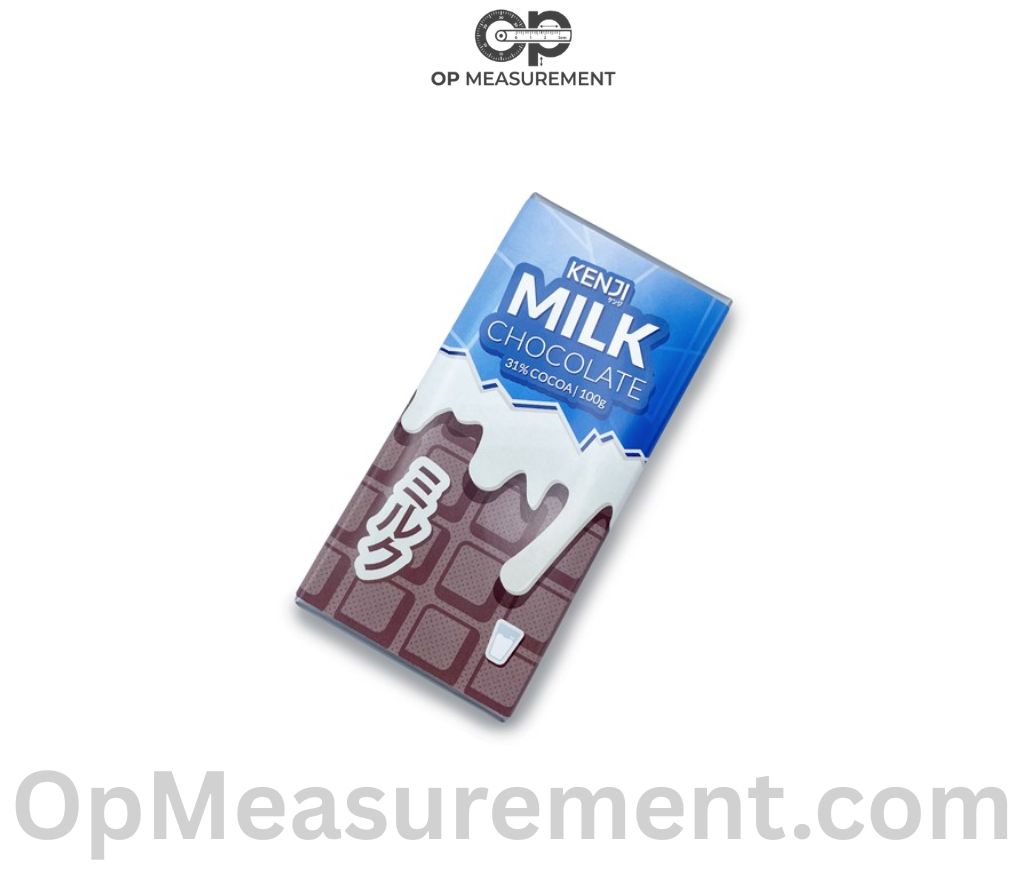
A Lindt Excellence bar. A large Hershey’s. Many standard chocolate bars sold in supermarkets around the world are packaged at exactly 100 grams — and unlike produce or handmade goods, that number is consistent. It’s printed right on the wrapper.
This makes chocolate bars one of the most reliable everyday references for this weight. The bar is dense, compact, and surprisingly small for what it weighs. If you’ve ever held one and thought “this feels heavier than it looks,” that’s 100 grams doing its job.
3. Two Medium Chicken Eggs
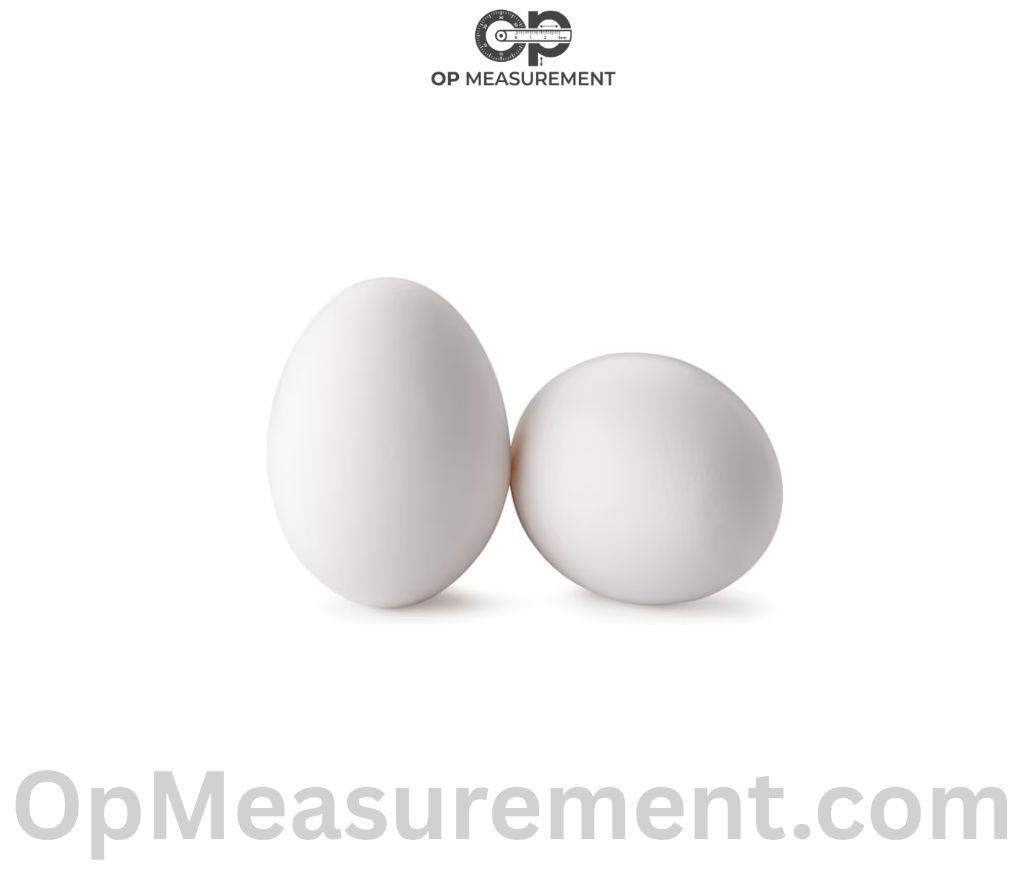
Egg sizes vary. Two eggs can be near 100 grams, but that is an approximation. Shells add mass, and a recipe’s egg weight normally refers to the edible contents.
If a recipe asks for 100 grams of eggs, crack them into a bowl and weigh the contents after taring the bowl. Do not count shell weight toward the recipe.
4. A Deck of Playing Cards
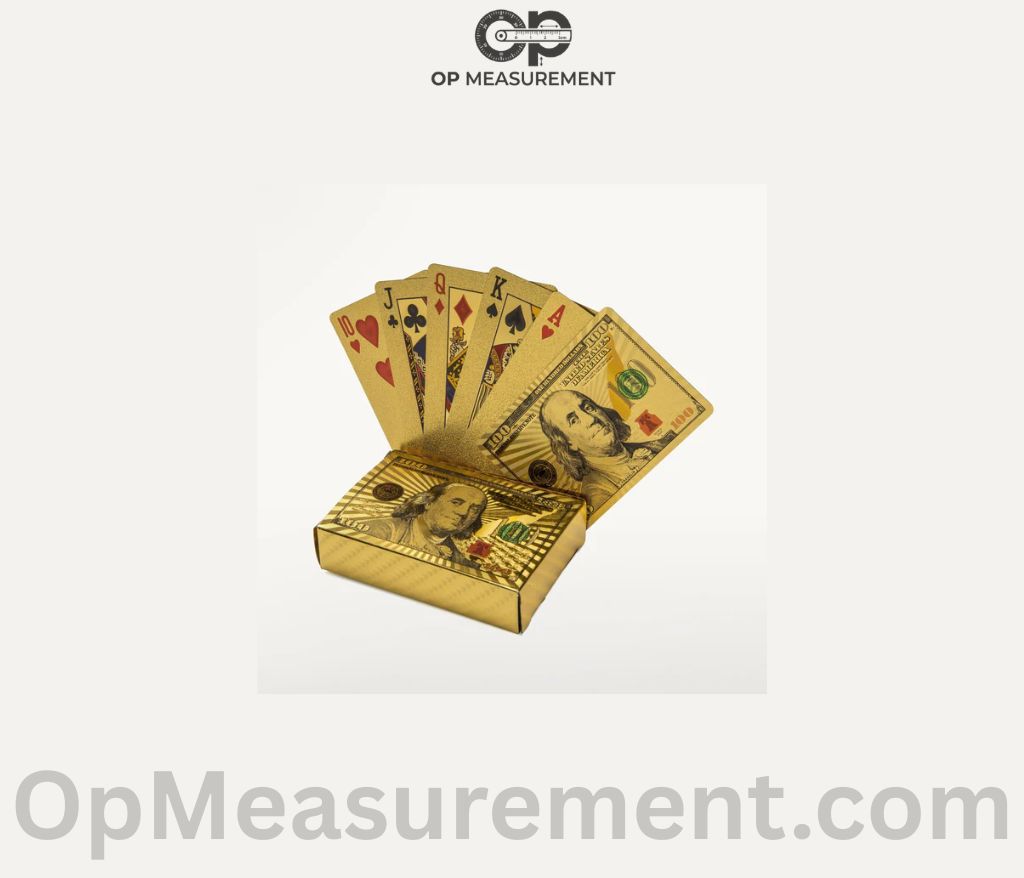
A standard Bicycle deck of 52 cards falls right between 94g and 100g. That slim rectangular box sitting on your table — the one you use for card games, magic tricks, or just leaving on a shelf — is essentially a 100-gram object.
Pick it up. It has a flat, even weight. Nothing shifting around. The cards are pressed tightly together and the box holds everything snug. For something that looks so thin and light, people are often surprised it’s close to 100 grams. The paper adds up fast when you’ve got 52 sheets of it.
5. A Victorinox Pocket Knife
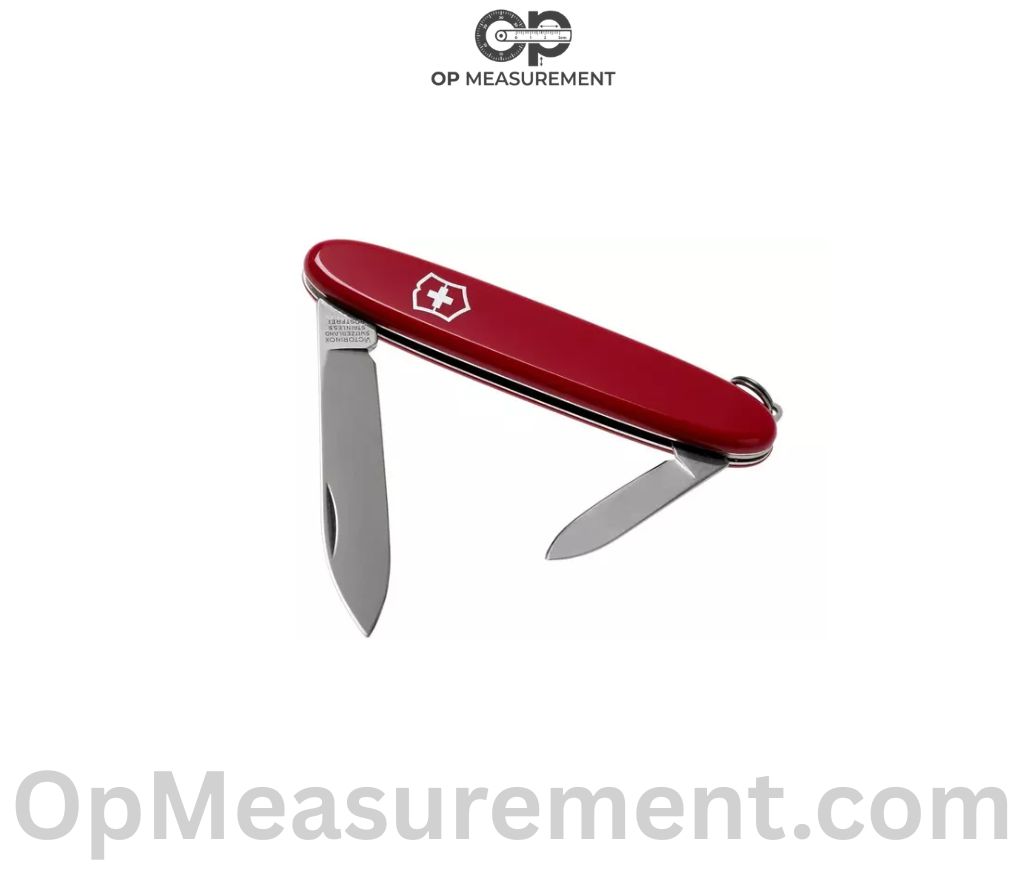
Victorinox lists the Fieldmaster at 100 grams and the Huntsman at 97 grams. Check the exact model rather than assuming every similar pocketknife has the same weight.
These are precision tools, and that weight reflects careful engineering. Hold one in your hand and it feels balanced — not front-heavy, not handle-heavy. The weight sits evenly across your palm. It’s the kind of object that makes 100 grams feel purposeful rather than arbitrary. Compact, dense, and well-built.
6. 20 Sheets of A4 Printer Paper
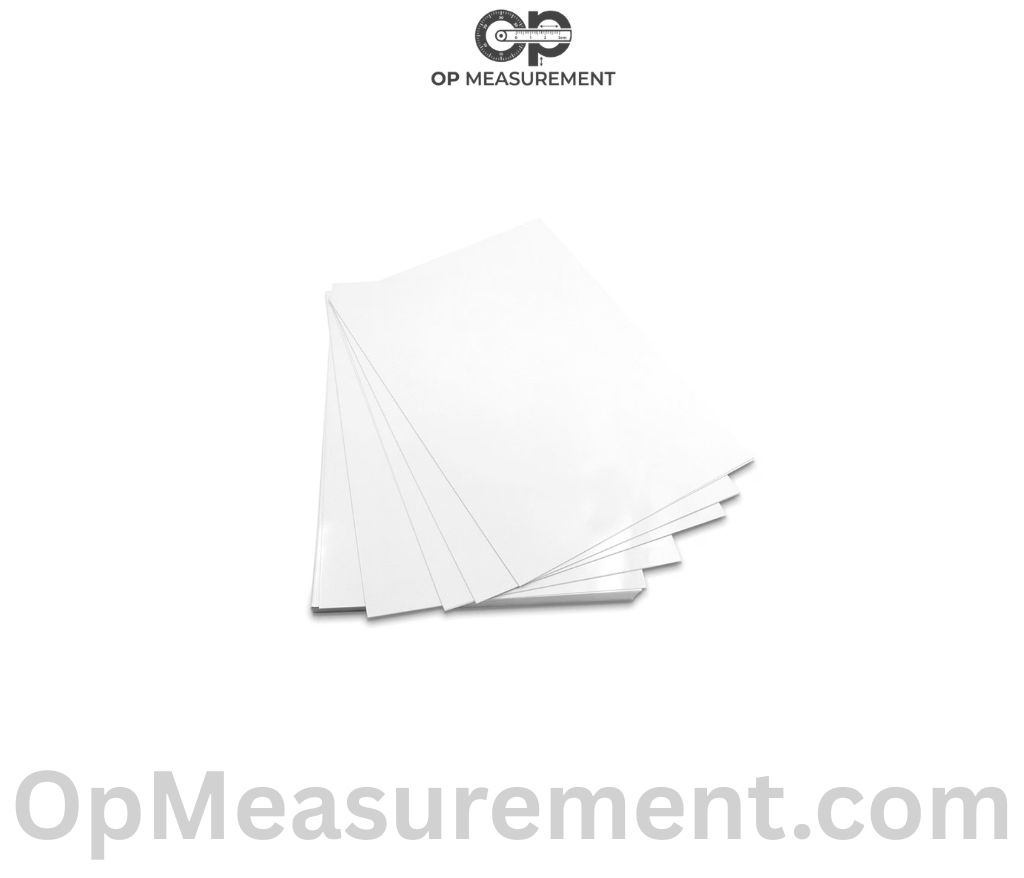
An A4 sheet measures 210 by 297 millimeters. At 80 grams per square meter, its calculated mass is 4.9896 grams. Twenty sheets total 99.792 grams—close to 100 grams, before manufacturing tolerances and moisture.
That stack is thin. Maybe half a centimeter. You wouldn’t guess it weighs 100 grams just by looking at it. But lift it and you’ll feel a clean, flat weight — like holding a small notepad. This is one of those examples that makes you realize how much variation there is between weight and size.
7. 100 Standard Paperclips
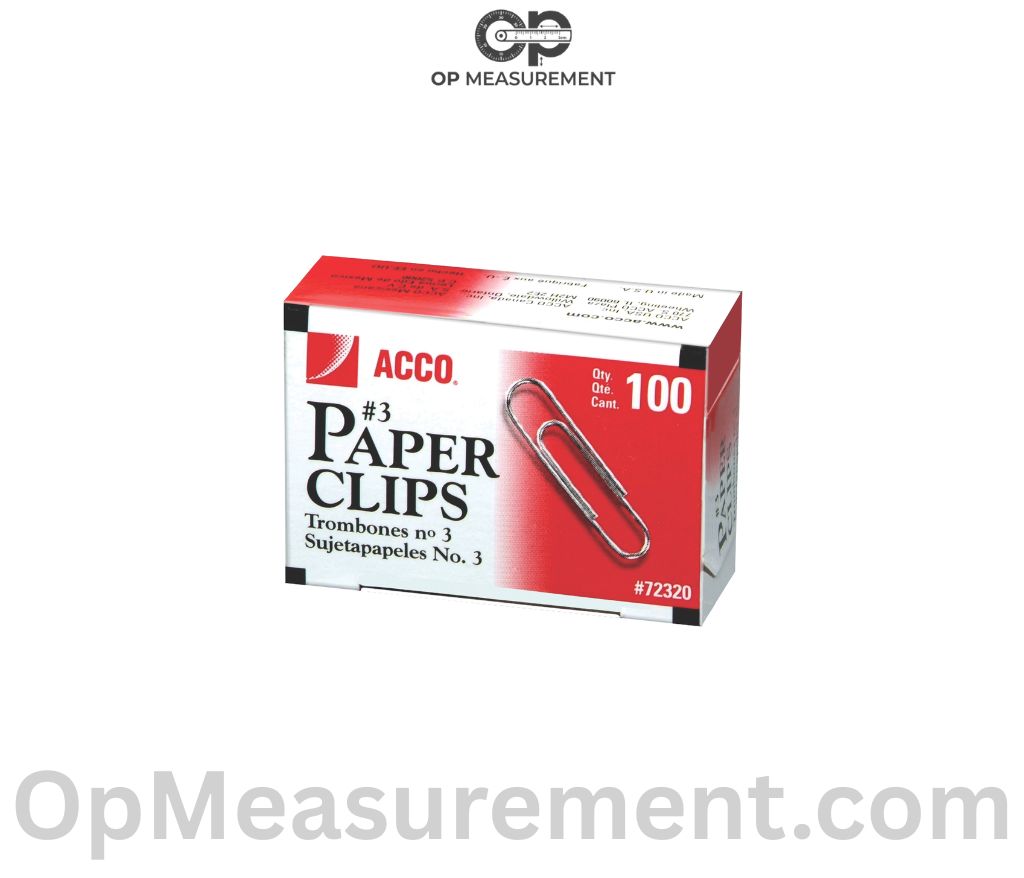
Paperclip mass varies with size, wire thickness, and material. One gram is a rough comparison for some clips, not a universal manufacturing standard. Counted clips cannot replace a certified calibration weight.
For an informal check, weigh a sample of your own paperclips before estimating a larger group. For calibration, use the weight specified in the scale manufacturer’s instructions.
8. Half a Cup of Granulated White Sugar
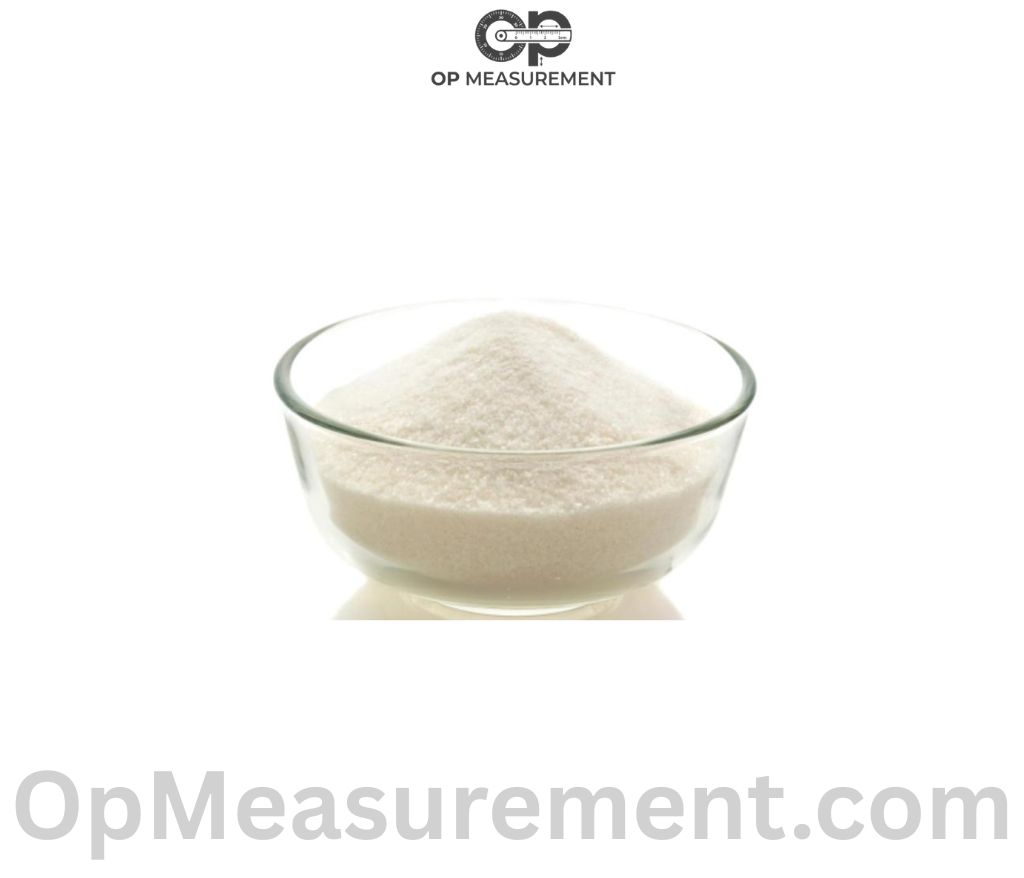
Half a US measuring cup of granulated white sugar is commonly estimated at about 100 grams. It is a kitchen conversion, not an exact mass for every sugar and measuring technique.
When a baking recipe lists “100g sugar” and you don’t have a scale, your half-cup measuring cup is the answer. Scoop it level — not heaped — and you’re there. Professional bakers memorize this conversion because it comes up constantly. Sugar is dense enough that the volume-to-weight ratio stays consistent, which is why this particular conversion is reliable in a way that flour conversions simply are not.
9. Five Slices of White Sandwich Bread
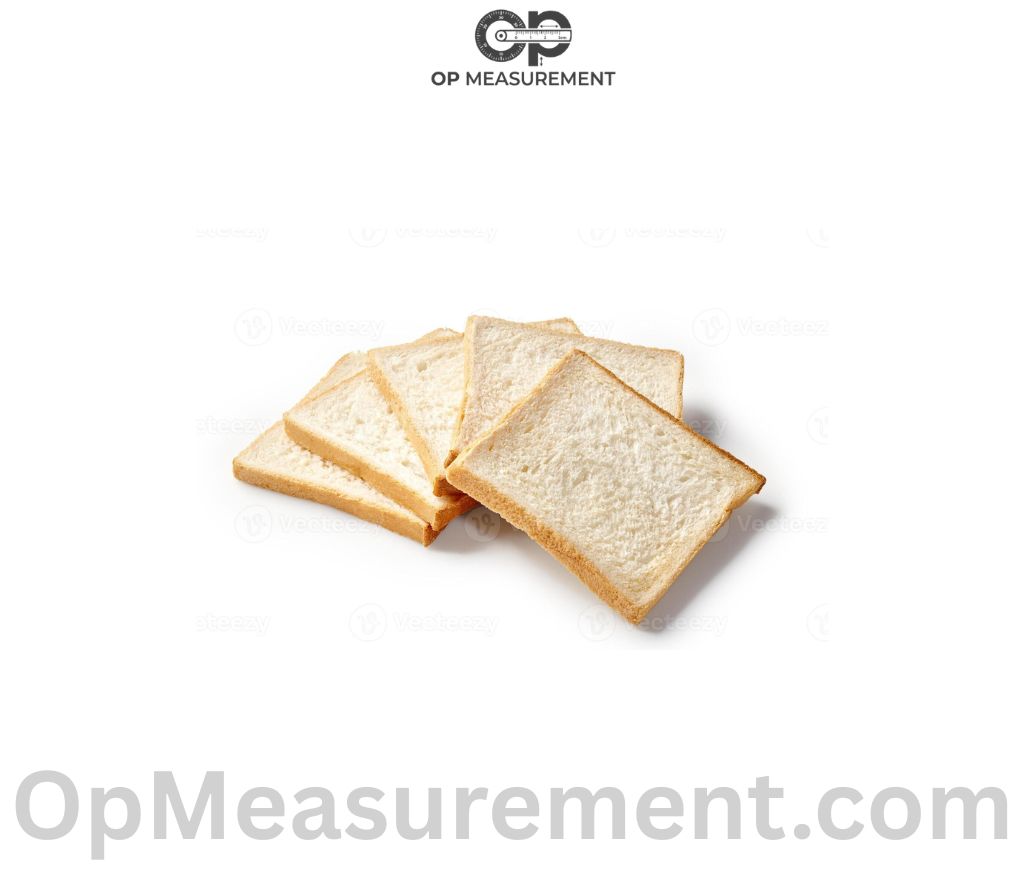
Standard pre-sliced white bread runs about 20 grams per slice — give or take a gram depending on the brand and thickness. Five slices stacked together reach 100 grams.
What’s interesting here is the contrast between size and weight. Five slices of bread look substantial. They take up real space. But they weigh the same as a chocolate bar that fits in your shirt pocket. That gap between visual expectation and actual weight is a good reminder that density matters more than size when you’re thinking about how heavy something is.
10. A Large Kiwifruit
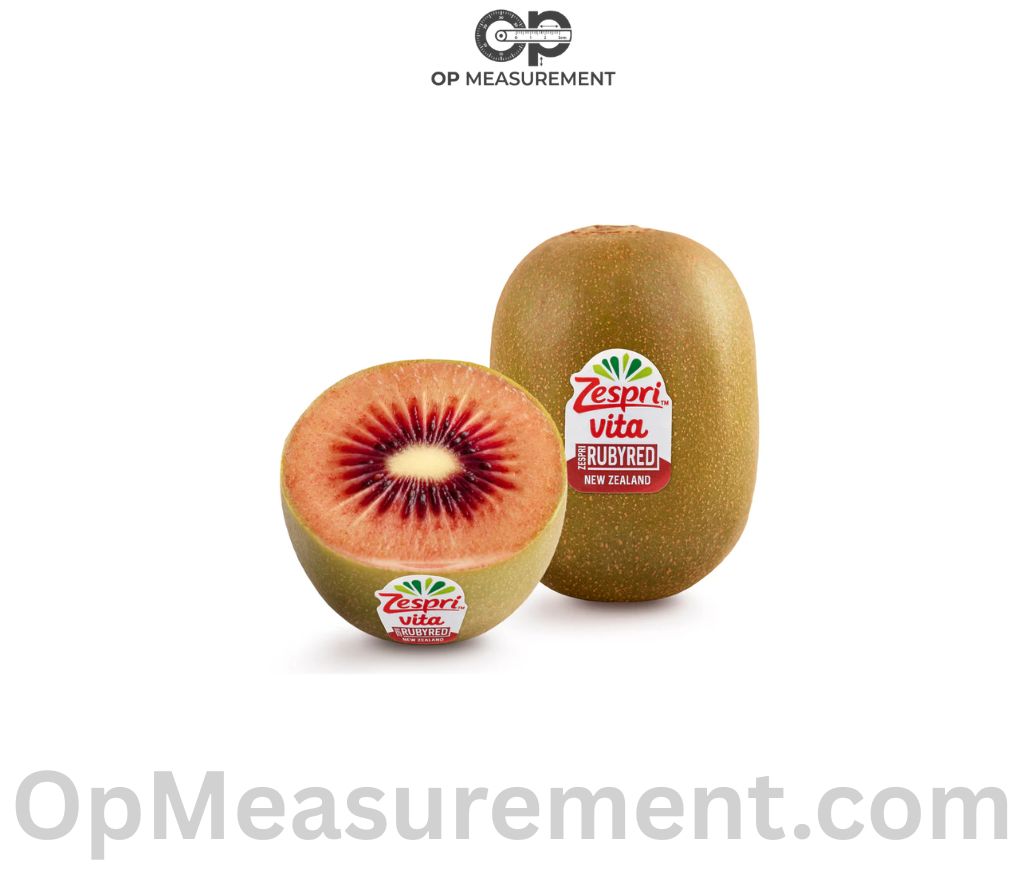
Pick up one of the bigger kiwis at the market — not the small, slightly wrinkled ones, but a full, firm, rounded one. A large kiwifruit sits right at 100 to 120 grams. The skin is thin but the flesh is dense.
Hold it in your fingers rather than your palm and you’ll feel it pull downward slightly. It has more weight than its small size suggests. This is because kiwi flesh has high water content, which makes it denser than it looks. A large kiwi at 100 grams is one of those fruits that actually makes the weight feel intuitive — it’s small but clearly present.
11. A Small Bag of Ground Spices
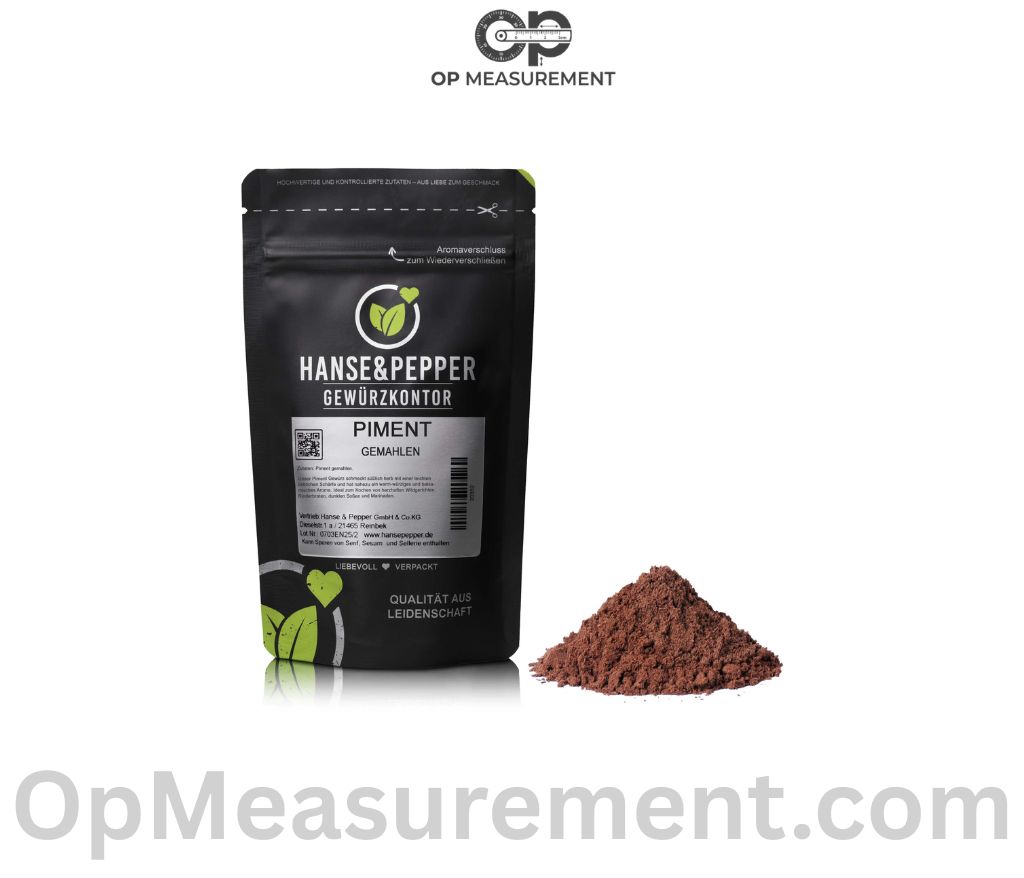
Walk down the spice aisle and look at the smaller packets — ground cumin, coriander, paprika, turmeric. Many standard retail spice packets are sold in 100-gram portions. The weight is listed on the front or back of the packaging.
These packets feel almost weightless at first. But hold one flat in your palm and you’ll feel a dry, settled weight that’s surprisingly uniform. Spice powders are packed under slight pressure during manufacturing, which keeps the weight consistent even though the volume can vary between different spice types. A 100g cumin packet and a 100g paprika packet feel identical in the hand — same weight, very different density.
12. A Stack of 100 U.S. Dollar Bills
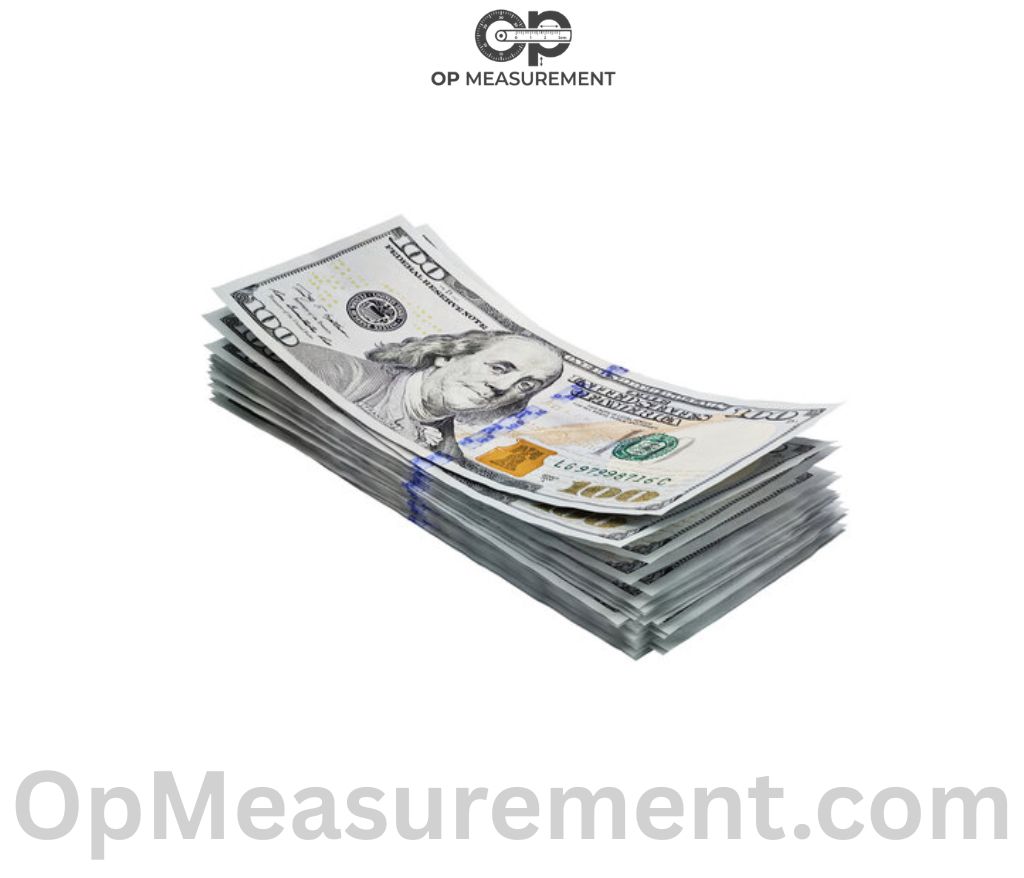
Every U.S. banknote — regardless of denomination — weighs approximately 1 gram. This is documented by the U.S. Bureau of Engraving and Printing. A $1 bill and a $100 bill are printed on identical paper stock and weigh the same.
Stack 100 bills of any denomination and you have approximately 100 grams. The stack is slim, maybe a centimeter thick, and has a slight stiffness from the paper. New bills feel crisper and hold their shape better, but worn bills weigh the same. Banks actually use this fact when weighing large quantities of cash rather than counting individually.
13. A Newborn Kitten
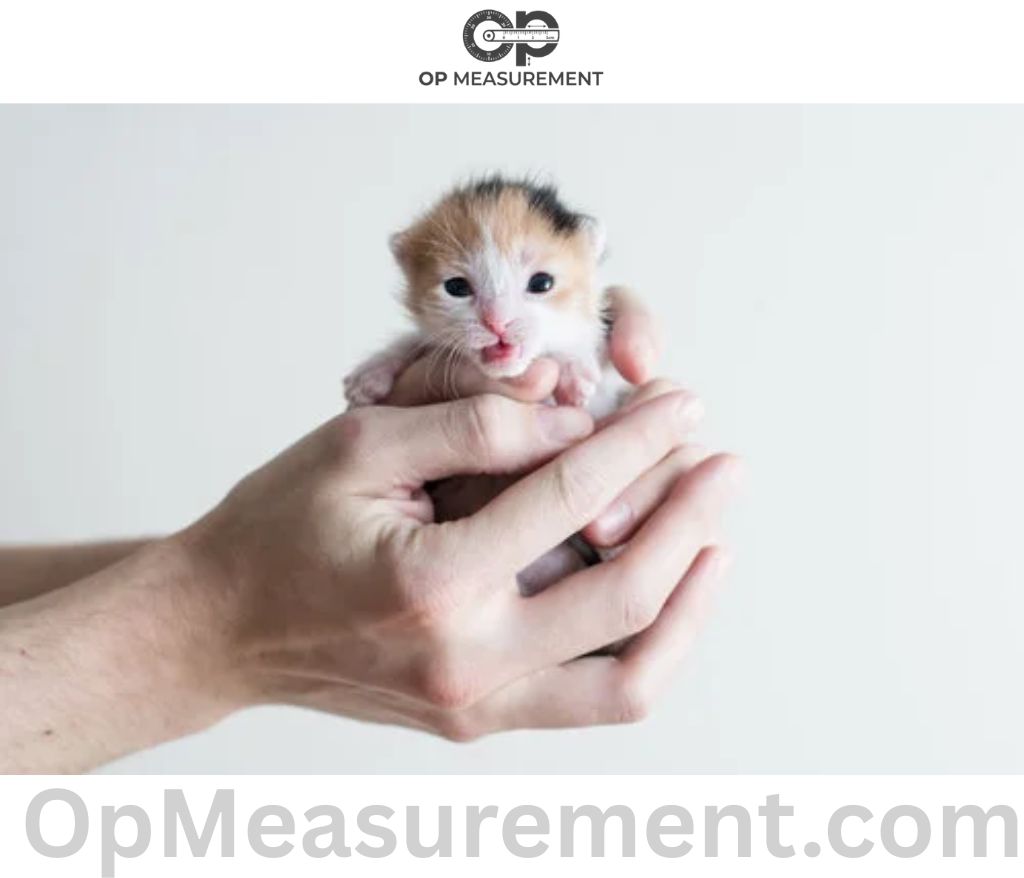
A newborn kitten may be near 100 grams, but its weight varies with breed and individual development. This is an illustrative comparison, not a health threshold or a reason to use an animal as a test weight.
This comparison does something the other examples don’t. It makes 100 grams feel fragile. Alive. You stop thinking about it as a number and start understanding it as something real. Every other item on this list feels different after you imagine a sleeping kitten fitting in your cupped hand.
14. A Small Decorative Candle
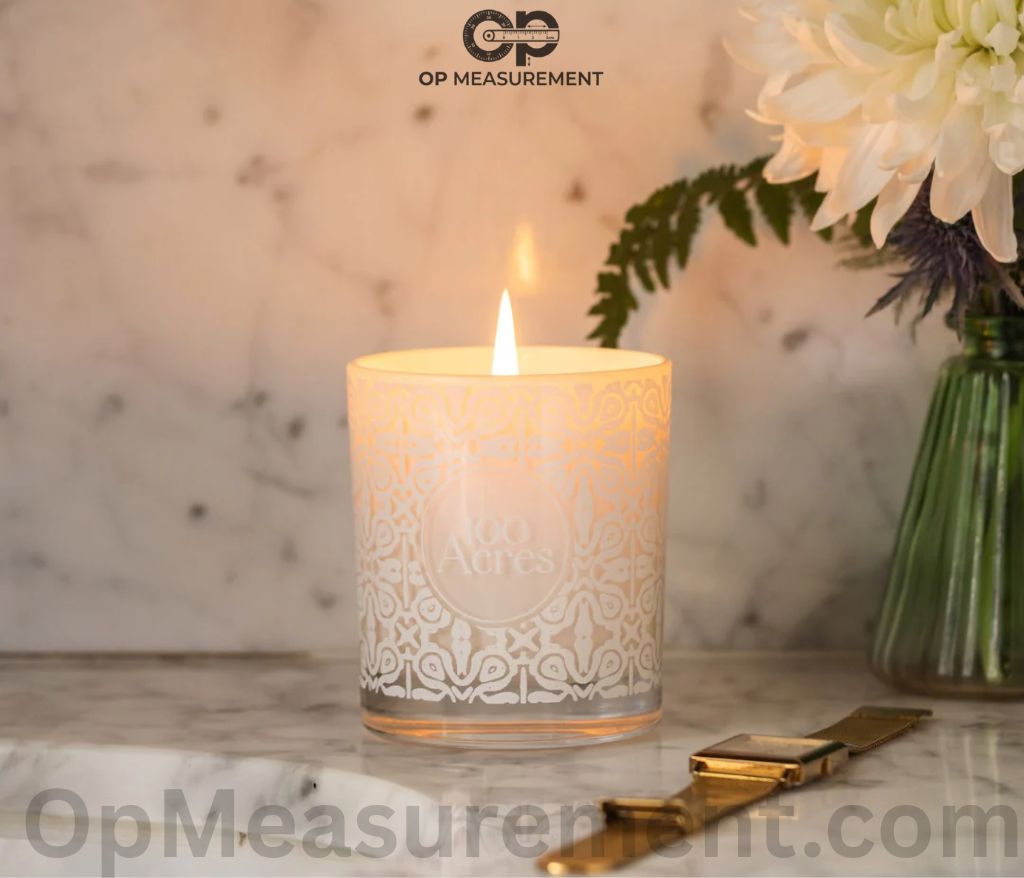
Many small pillar candles and jar candles in the 4-to-6-inch range are manufactured to weigh between 50 and 100 grams. The 100-gram end of that range is common for single-wick decorative candles sold in gift shops and home stores.
Pick one up and the weight is smooth, even, and slightly cool to the touch before it’s been burned. The wax is dense. A 100-gram candle doesn’t feel flimsy — it feels like it will last a while. That density is part of what makes people trust candle quality by weight, even without knowing they’re doing it.
15. 20 UK 20-Pence Coins
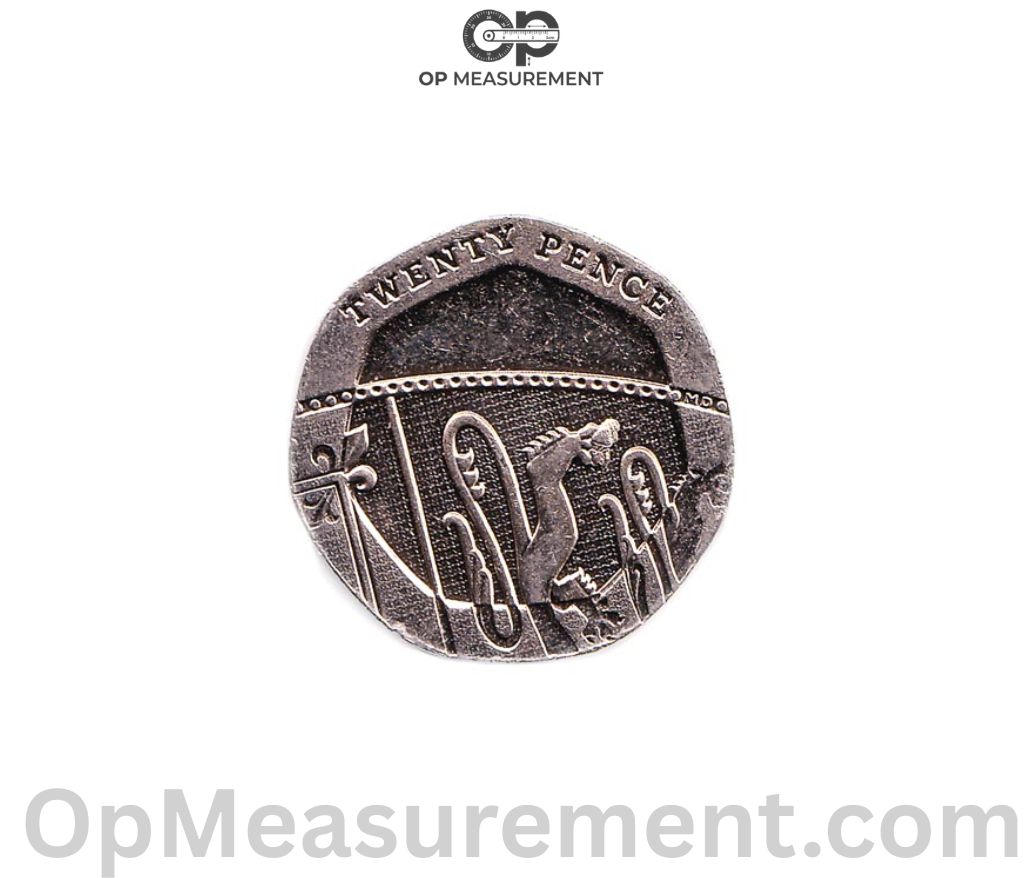
The Royal Mint specifies a nominal mass of 5 grams for a 20p coin. Twenty therefore have a nominal total of 100 grams. Wear and manufacturing tolerances mean circulated coins are not certified calibration weights.
Stack 20 of them in your hand and the weight is noticeable — solid, cool, and compact. They stack cleanly because of the coin’s flat heptagonal shape. In the UK, this is one of the most commonly recommended methods for checking whether a kitchen scale is reading accurately, precisely because the Royal Mint weight is publicly documented and consistent.
How to Estimate 100 Grams Without a Scale
Sometimes a scale isn’t nearby. These three methods won’t give you lab accuracy, but they’re useful:
The US Mint specifies a nominal mass of 5 grams for a nickel. Twenty nickels nominally total 100 grams and can provide a rough check, but wear and tolerances affect actual mass. Use a proper scale for accurate measurement.
Use a sealed chocolate bar. If you have an unopened 100g bar in the house, you have a physical reference. Hold your ingredient in one hand and the bar in the other. Your hands are better at detecting difference than most people expect.
A phone app without a separate weighing sensor cannot measure an object’s mass. Use a kitchen scale for an accurate 100-gram portion; comparing objects by hand gives only a rough estimate.
100 Grams in Common Cooking Conversions
| Ingredient | 100 Grams Equals |
| Granulated white sugar | ½ cup (level) |
| All-purpose flour | About ⅚ US cup at 120 g per cup |
| Butter | ~7 tablespoons |
| Uncooked white rice | ~½ cup |
| Honey | ~4.5 tablespoons |
| Cocoa powder | About 1.19 US cups at 84 g per cup |
Flour varies most. Depending on how tightly it’s packed, a “cup of flour” can weigh anywhere from 120g to 165g. This is exactly why weight beats volume for baking accuracy every single time.
What About Calibrating a Scale With 100 Grams?
An ordinary household object can provide a rough plausibility check, but it is not a certified 100-gram reference. Calibrate a scale using the specified calibration weight and the manufacturer’s procedure.
- 20 U.S. nickels (5g each, U.S. Mint confirmed)
- 20 UK 20p coins (5g each, Royal Mint confirmed)
- A sealed, factory-packaged 100g chocolate bar
- 100 standard paperclips (1g each, manufacturing standard)
Follow the scale manufacturer’s instructions for checking and calibration. An arbitrary 98-to-102-gram range does not establish that every scale is accurate, and a household reference is not a certified calibration mass.
Read more:
FAQs
1. How can I check 100 grams at home without a scale?
Use simple references like two eggs or a sealed 100g food item. You can also compare weight in both hands to get a close estimate.
2. Is 100 grams considered heavy or light?
It’s light. You can easily hold it in one hand without effort, but it still feels noticeable.
3. Why do some 100g items look bigger than others?
Because of density. Bread looks large but is light, while chocolate is small but dense and feels heavier.
4. Can I use food items for accurate measurement?
Yes, but only for rough use. For baking or precise needs, a digital scale is still the best option.
The next time someone asks you to picture 100 grams, you won’t reach for an abstract number. You’ll think of two eggs in your hand, or a fresh chocolate bar sitting in your palm, or the weight of something as alive and fragile as a newborn kitten.
Weight stops being a number the moment you attach it to something real.
Compare this with What Weighs 1 Pound? and What Weighs 2 Pounds?.
Conversion reference: NIST unit definitions and conversion factors. Rounded values are for comparison; product dimensions and weights should be checked against the specific item.
Specifications for the examples above: Ingredient weight chart; US Mint coin specifications.

Vera loves exploring the size and dimensions of everyday objects. She shares practical, visual guides to help readers understand measurements clearly. With a focus on accuracy and usefulness, Vera creates content that informs, engages, and supports learning for all.