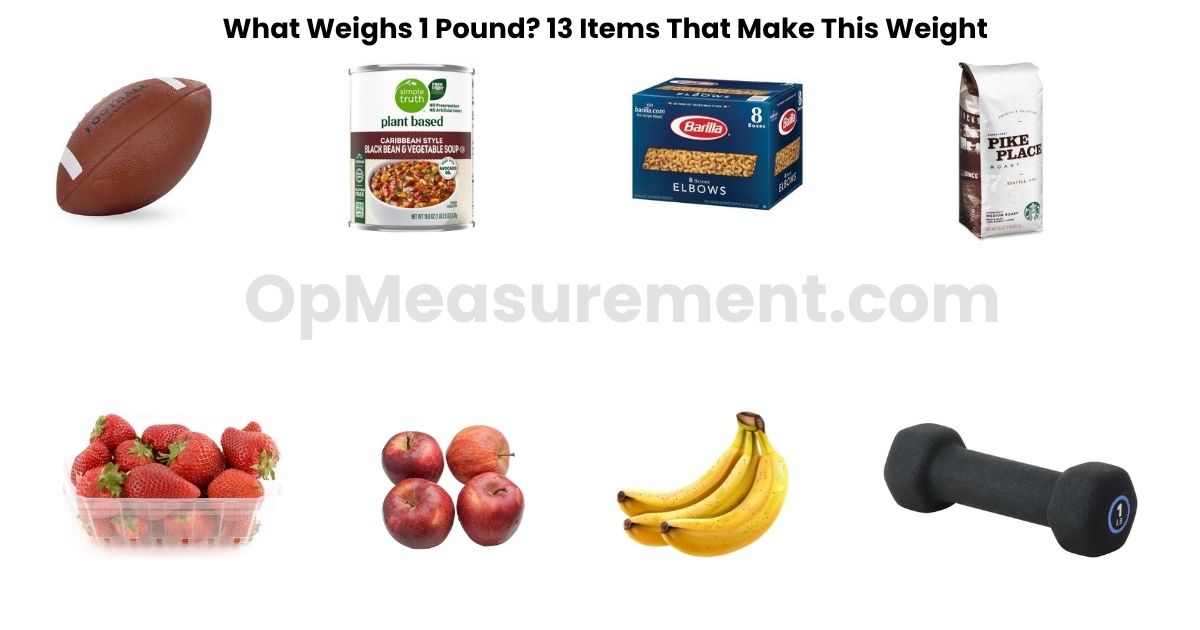
Most people have held a 1-pound object countless times without realizing it. From a box of butter to a paperback book, this common weight shows up in daily life more often than you think. Understanding What Weighs 1 Pounds becomes much easier when you connect the number to familiar items you already use, carry, or buy. Once you have a few real-world examples in mind, estimating 1 pound feels natural.
Quick 1 Pound Weight Reference Box
| Unit | Value | Real-World Feel |
| Pounds | 1 lb | One box of butter |
| Grams | 453.59 g | A full can of soup |
| Kilograms | 0.4536 kg | A thick paperback novel |
| Ounces | 16 oz | 16 shot glasses of water |
Weight conversions follow the International Yard and Pound Agreement (1959), adopted by the United States, United Kingdom, Canada, and Australia for standardized measurement.
13 Everyday Things That Weigh 1 Pound
| Object | Category |
| Box of Butter | Kitchen |
| Pint of Water | Kitchen |
| Box of Dry Pasta | Kitchen |
| Can of Soup or Beans | Kitchen |
| Loaf of Sandwich Bread | Kitchen |
| Bag of Coffee Beans | Kitchen |
| Pint of Strawberries | Kitchen |
| Small Bag of Rice or Flour | Kitchen |
| Three Medium Bananas | Food / Produce |
| Three to Four Medium Apples | Food / Produce |
| Paperback Novel | Everyday Life |
| Regulation Football | Sports |
| 1-Pound Dumbbell | Fitness |
1. A Box of Butter
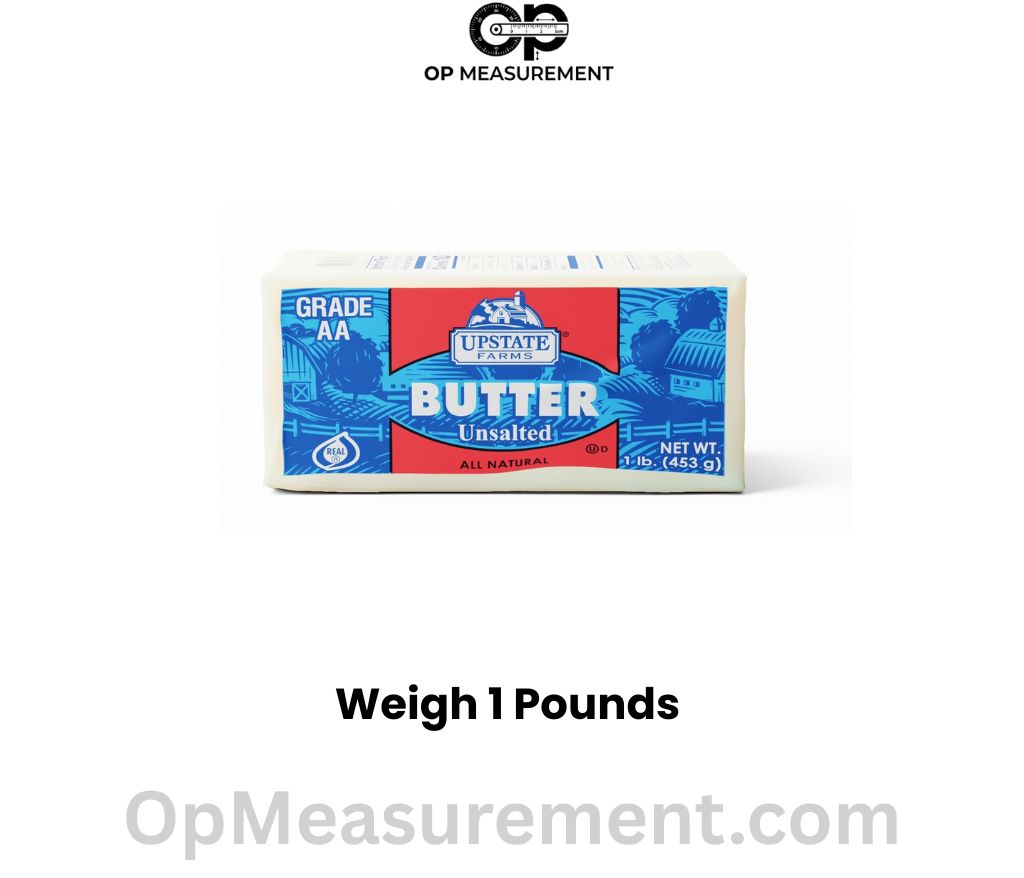
Four sticks, wrapped in foil, inside a cardboard box. That’s 1 pound exactly — by design, not coincidence. Butter has been sold this way in the US for decades because the pound is a natural portioning unit for baking.
Hold a full box flat in your palm. It’s compact and dense. It doesn’t shift or slosh. The weight is concentrated, settled, and immediate. This is what 1 pound feels like when the mass is tightly packed into a small shape. Bakers who work by weight rather than volume already use this instinctively as a mental reference.
2. A Pint of Water
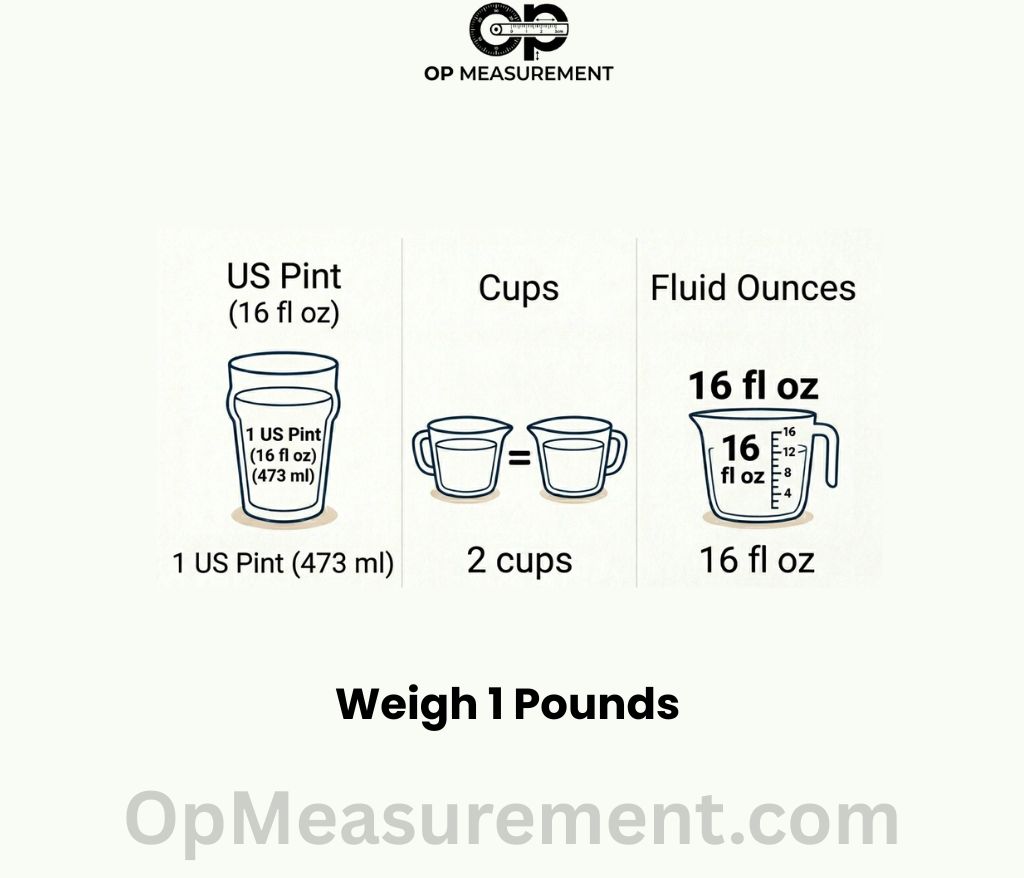
Sixteen fluid ounces of water weighs almost exactly 1 pound. This near-perfect relationship between volume and weight is one of the more useful quirks of the imperial system — and it works in practical kitchens every single day.
A full pint glass feels different from a butter box even though the scale reads the same. Water moves. The weight shifts as you tilt the glass, which makes your hand work slightly harder to keep it steady. That motion gives the illusion of extra weight. It’s the same number on the scale, but a completely different experience in your grip.
3. A Standard Box of Dry Pasta
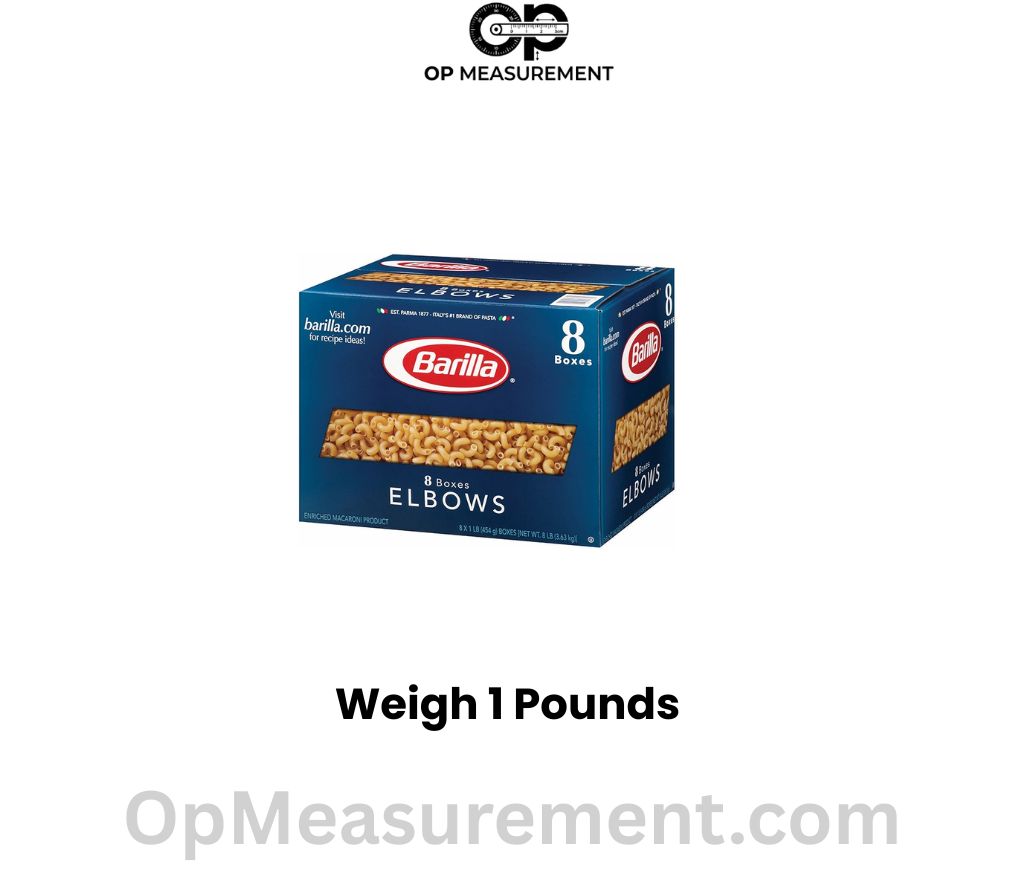
Walk down any grocery aisle and pick up a box of spaghetti or penne. In the United States, the standard retail size is 1 pound — labeled clearly on the front. It’s one of the most consistent and reliable 1-pound references that exists.
The box is longer than a butter block and thinner. When you tilt it, the pasta slides and shifts inside with a soft rustling sound. It feels lighter than it is because the shape distributes the weight across a larger area. Some cooks keep an unopened pasta box in the kitchen specifically as a casual reference when they need to eyeball weight without pulling out a scale.
4. Three Medium Bananas
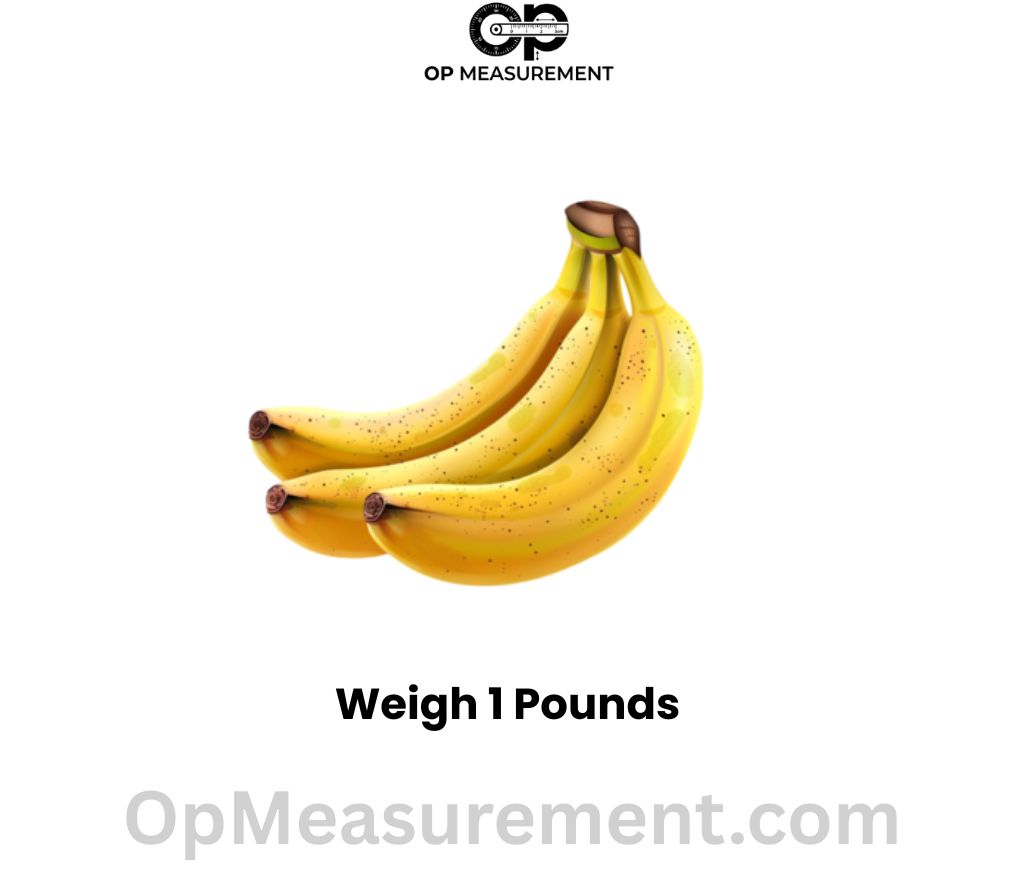
Not the oversized ones at the top of the display, and not the stubby yellow ones at the bottom. Three regular, mid-sized bananas from a grocery store rack will sit right at 1 pound together — sometimes a touch over, depending on how ripe they are.
Each banana runs about 4 to 5 ounces on its own. What surprises most people is how light three bananas feel compared to a butter box, even though the weight is basically the same. The irregular shape, the curved surface, the way they fan out across your hand — it all creates a different tactile impression. Weight and shape play tricks on each other constantly.
5. A 1-Pound Bag of Coffee Beans
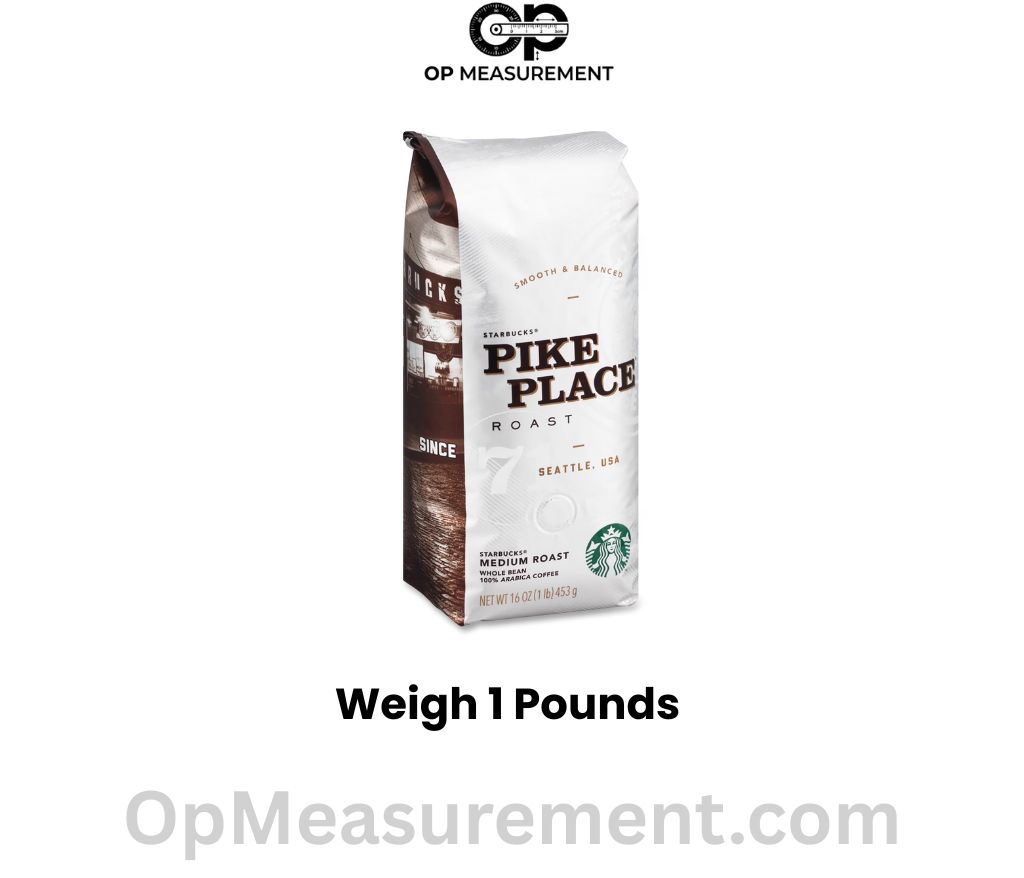
The most common retail size for bagged coffee — whole bean or pre-ground — is 12 ounces or 1 pound. The 1-pound bags are everywhere: grocery stores, coffee shops, warehouse clubs. Pick one up and notice how dense it feels relative to its size.
Coffee beans pack tightly. The bag doesn’t have a lot of air in it. So the weight feels concentrated, similar to butter but softer because the beans shift slightly when you squeeze the bag. If you’re a regular coffee drinker, this is something you’ve lifted off a shelf dozens of times without registering that you were holding exactly 1 pound.
6. A Paperback Novel
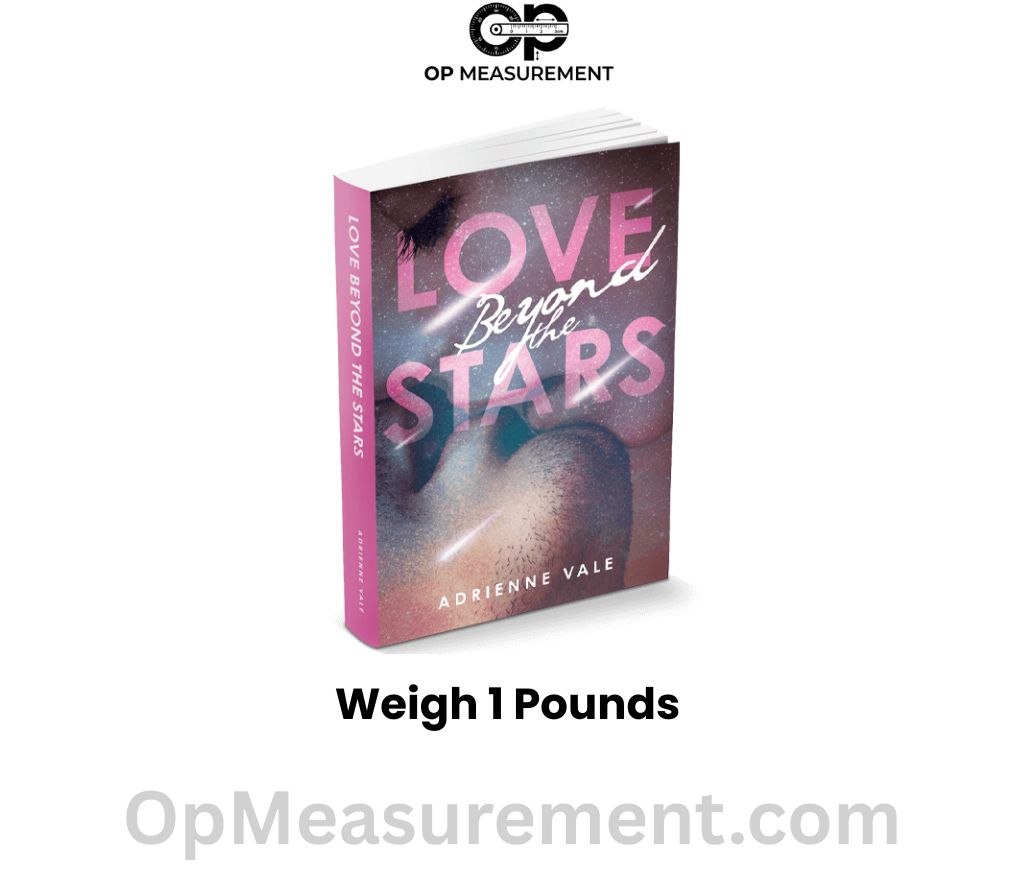
A standard paperback — not a slim novella, not a door-stopping fantasy epic — but a regular 300 to 400 page novel lands right around 1 pound. The page count, paper thickness, and binding together bring most full-length fiction into that range.
Hold one flat across your palm. It rests there without effort, but the weight is genuinely present. Carry it in a jacket pocket and you’ll feel it pulling the fabric down after a few minutes. That gentle, persistent tug is 1 pound doing what 1 pound does. It’s not heavy. But it’s not nothing either.
7. A Can of Soup or Beans
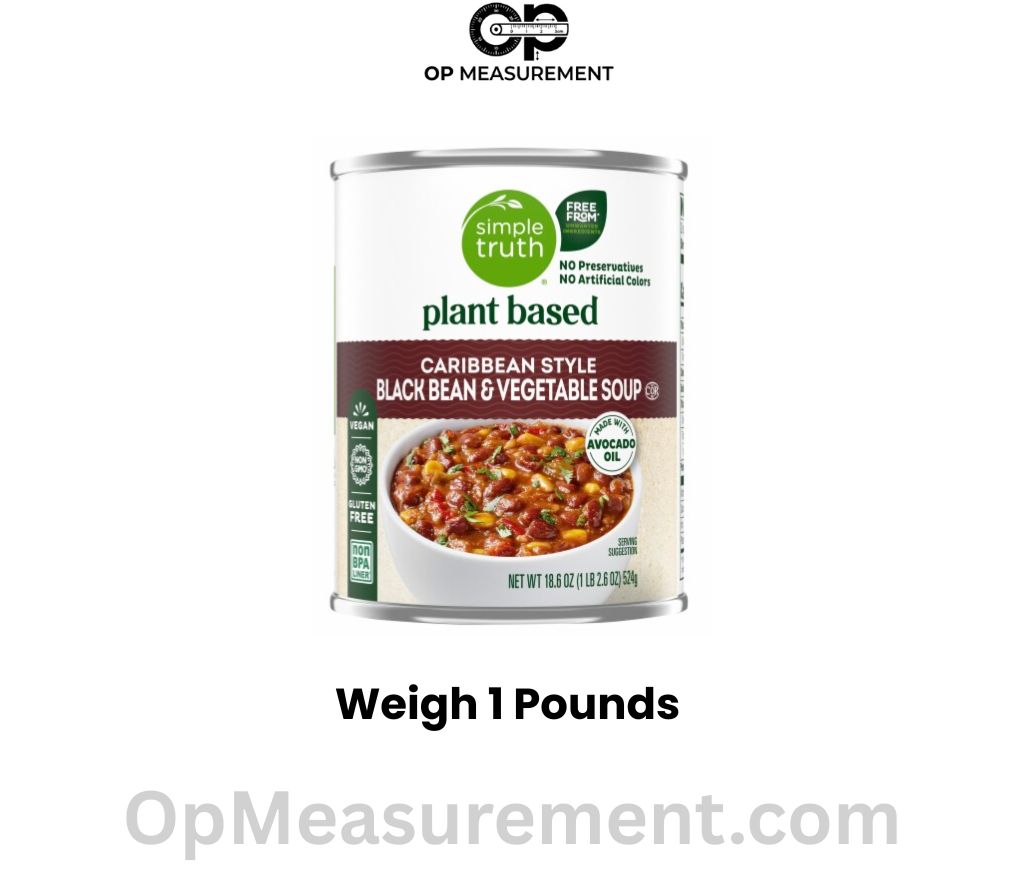
Most standard cans of soup, canned beans, or crushed tomatoes land between 14 and 16 ounces. A 15-ounce can of chickpeas or black beans is extremely close to 1 pound. Some chunky soups hit exactly 16 ounces.
The can is cold if it’s been in the pantry for a while, rigid, and easy to wrap your fingers around. It’s one of those weights that feels accurate to people — meaning, when they hold it and someone says “that’s about 1 pound,” they nod without surprise. There’s nothing deceptive about the shape. It’s dense, uniform, and compact. Exactly what a pound should feel like in your hand.
8. Three to Four Medium Apples
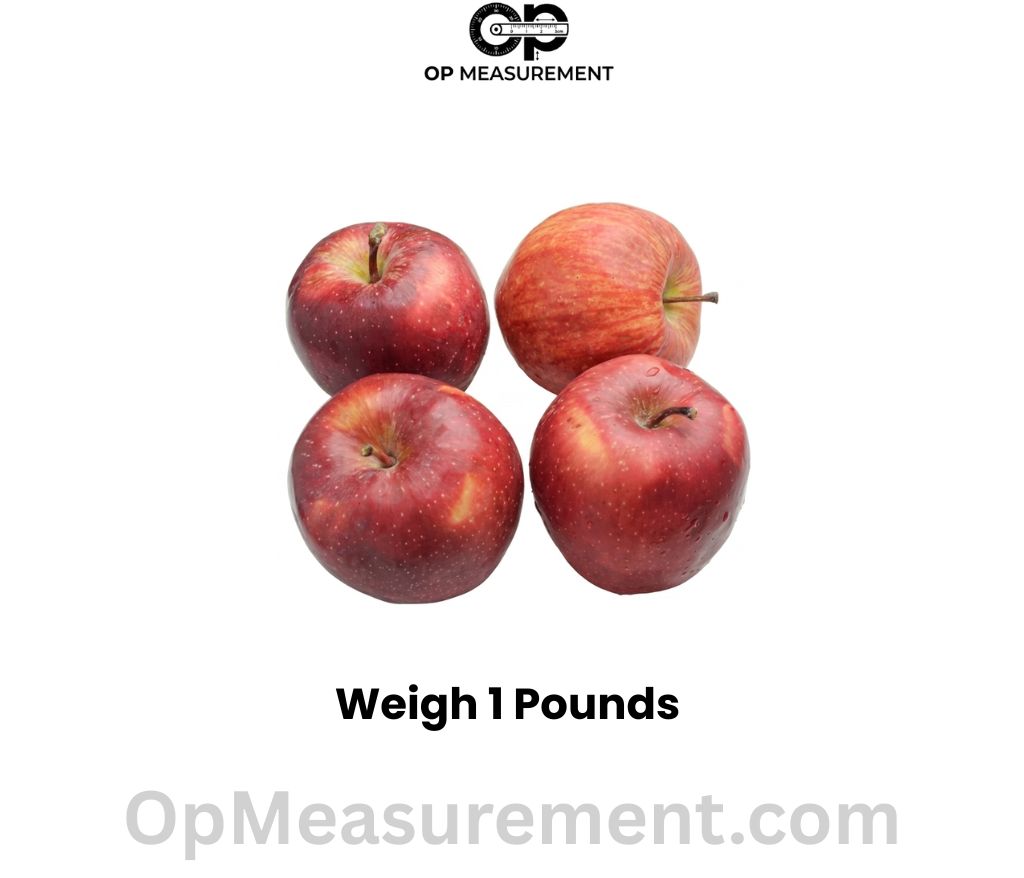
Apple weight varies by variety. A large Fuji apple can hit 9 or 10 ounces on its own. A small Gala might come in under 5. Three average apples from a produce bin — whichever variety, whatever the store has — will usually land between 14 and 18 ounces. Close enough to 1 pound that it works as a practical reference.
This is actually why produce scales exist at grocery stores. Customers couldn’t eyeball 1 pound of apples from a pile reliably. The shape is too irregular, the size varies too much. Now you have an anchor: three average apples, cupped in both hands, is your ballpark.
9. A Regulation Football
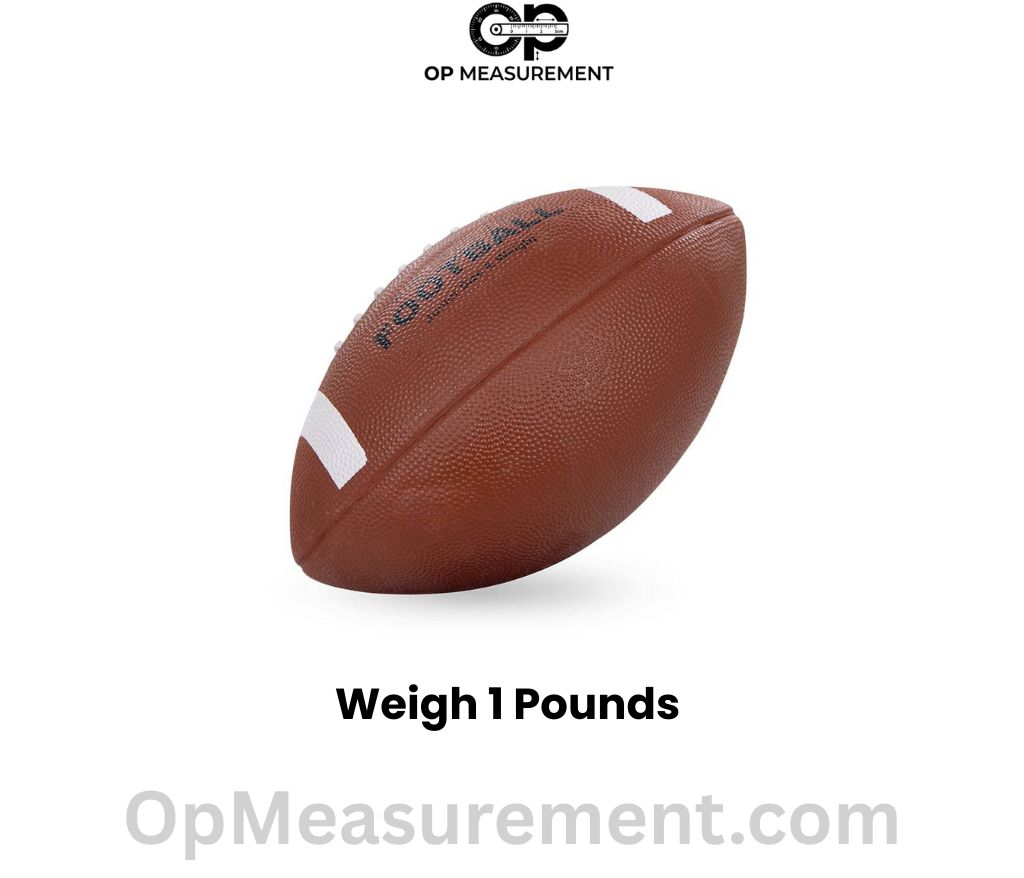
NFL rules state a football must weigh between 14 and 15 ounces. That’s just under 1 pound on its own. A new football still sealed in its retail packaging with inserts and a box tips past the 1-pound mark.
What’s worth noting is how different a football feels from something like a pasta box at the same weight. The football is inflated — it has air inside, a leather or composite exterior, and a curved surface. It fills your hand differently. You grip it rather than hold it. That grip changes how the weight registers in your arm and wrist. Same number, completely different sensation.
10. A Small 1-Pound Dumbbell
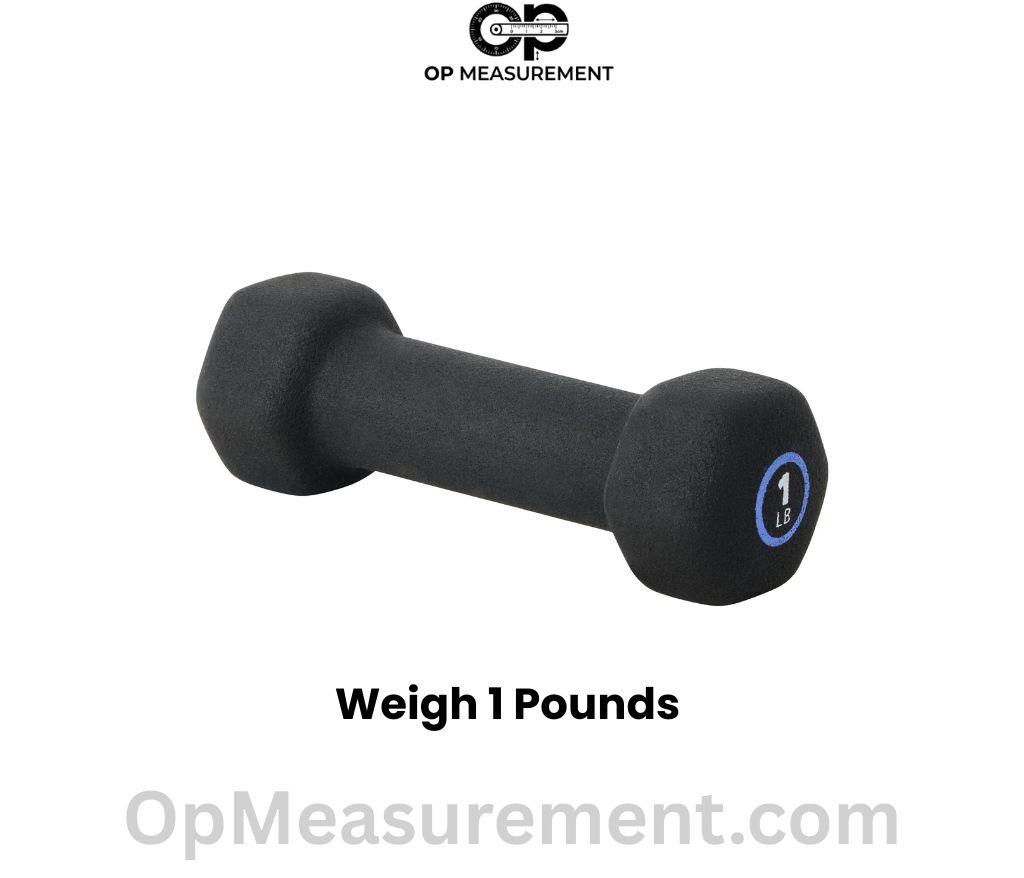
The lightest standard dumbbell sold for home or gym use is labeled “1 lb” and weighs exactly that. These are common in physical therapy, senior fitness, and beginner programs. They look almost comically small next to heavier weights on a rack.
But hold one in each hand and extend your arms straight out for 60 seconds. The “small” 1-pound weight becomes very real, very quickly. This is one of the better ways to genuinely internalize what 1 pound means physically — not just as a number you read, but as resistance your muscles actually feel over time.
11. A Loaf of Sandwich Bread
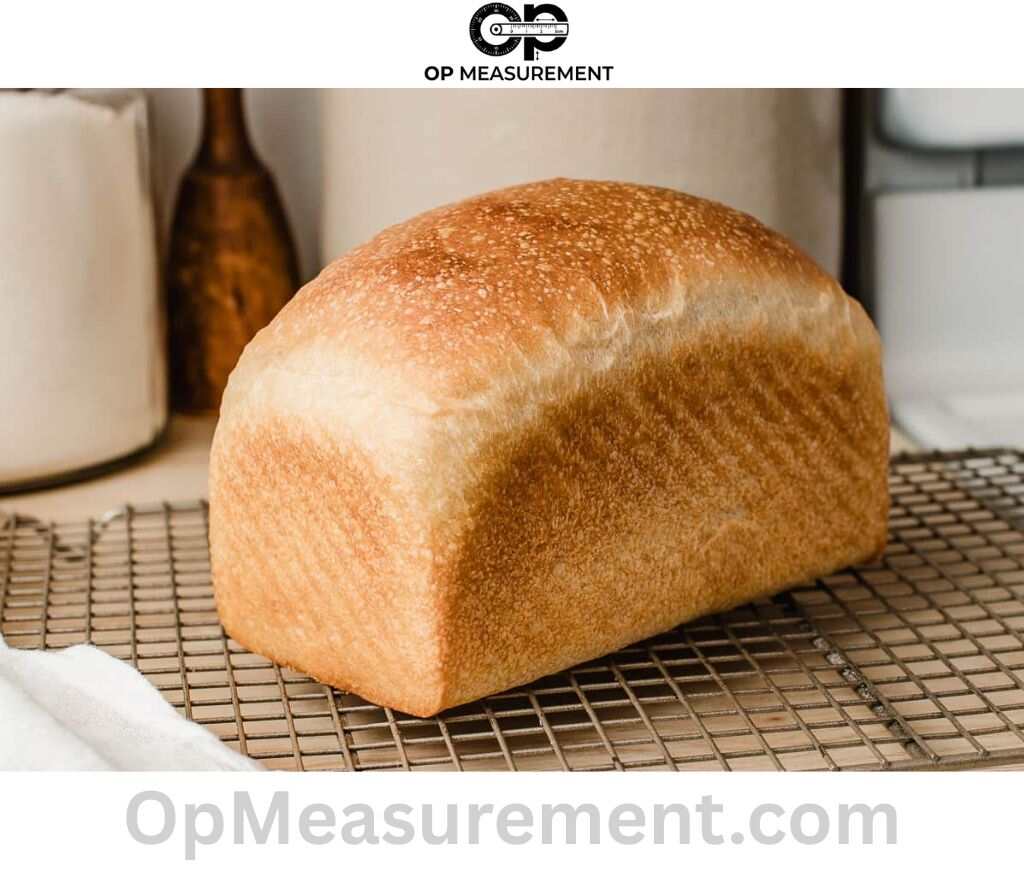
A standard store-bought loaf of sliced sandwich bread usually weighs between 20 and 24 ounces for a full-size loaf. Smaller or specialty loaves can come in right at 16 ounces. So a typical loaf lands just over 1 pound rather than exactly at it.
What makes bread memorable as a weight reference is how deceptive it feels. Each slice is almost weightless. The whole loaf feels like it should weigh nothing. Pick one up and the weight surprises you — soft, compressible, and bending slightly in the middle if you hold it from one end. It’s 1 pound pretending to be air.
12. A Pint of Strawberries
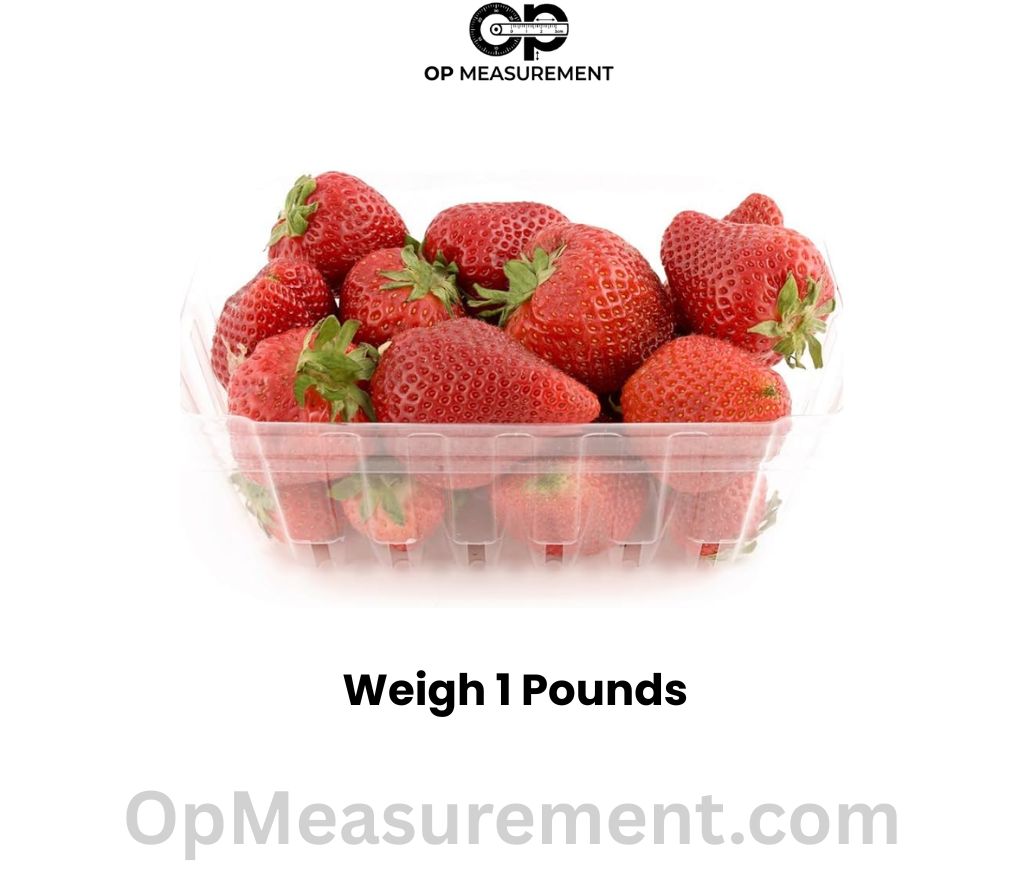
A standard plastic pint container of strawberries — the kind stacked near the entrance of grocery stores in spring and summer — weighs right around 12 to 16 ounces. A full, well-packed pint sits at 1 pound without much trouble.
The berries are cold, slightly damp, and loosely packed. Unlike a butter box or a can, they shift when you tilt the container. The weight feels lighter than it is because the container is open and the berries have air gaps between them. Yet on a scale, a good pint of strawberries sits right there at 1 pound. It’s one of the more surprising comparisons on this list.
13. A Small Bag of Rice or Flour
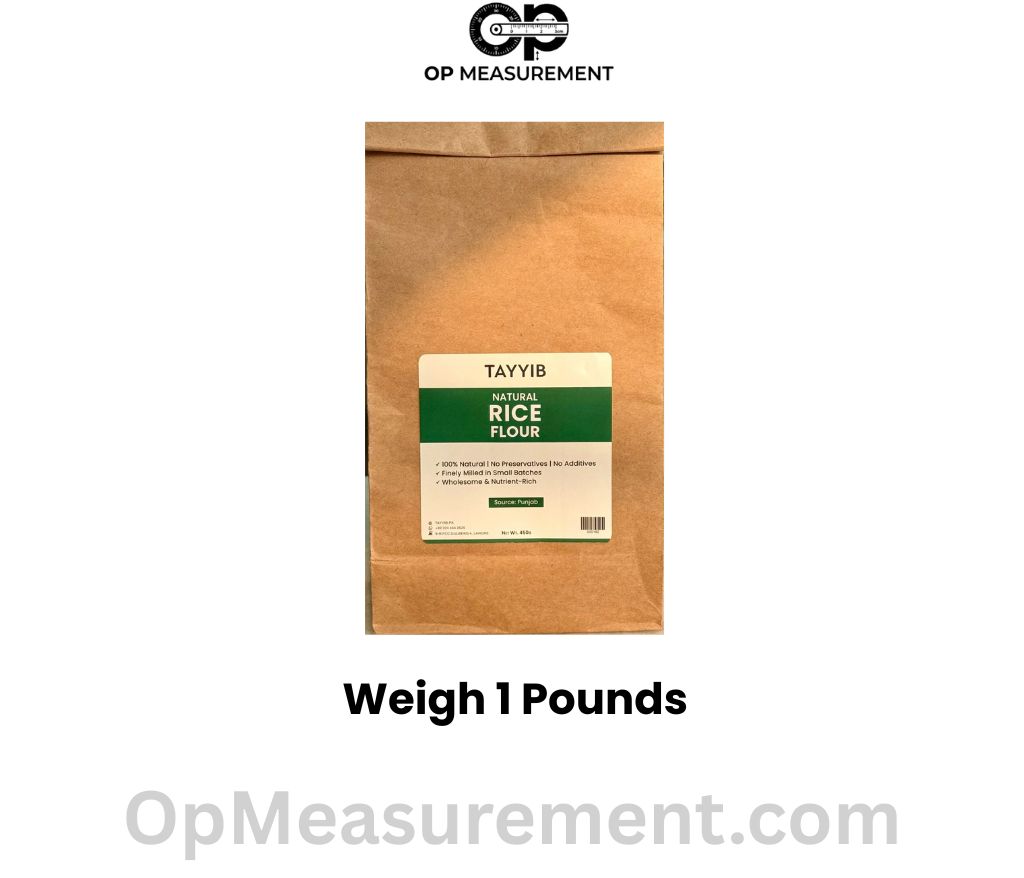
Most kitchen pantries have a 2 or 5-pound bag of flour or rice. But 1-pound bags exist, and they’re common in smaller formats and specialty grocery sections. A 1-pound bag of white rice — roughly one and a half cups of uncooked grain — is compact, dense, and clearly heavier than it looks.
The grain packs tightly, similar to coffee beans but with less give. Squeeze the bag and it barely yields. Compared to bread or bananas, this is 1 pound in its most concentrated, no-nonsense form. Heavy for its size, with no air gaps and no empty space. If you want the clearest physical sense of what 1 pound actually means in raw mass, a small bag of dry rice teaches it better than almost anything else.
Read more –
15 Daily-Use Things That Measuring 2 Inches Long
14 Daily-Use Things That Measuring 16 Inches Long
How to Estimate 1 Pound Without a Scale
Three practical methods that actually work:
The butter box method. Keep a full, sealed box in one hand. Hold your unknown item in the other. Your hand is now a balance scale. This works surprisingly well within a 2 to 3 ounce margin.
The pasta box method. Same approach, different shape. A 1-pound pasta box is long and flat — useful for comparing items with a similar form factor like books, flat packages, or folded clothing.
The filled water bottle method. Fill a 16 oz bottle completely to the brim. That liquid weight equals 1 pound. Good for estimating liquid ingredients when you’re cooking without a scale nearby.
Three Things People Get Wrong About 1 Pound
Confusing fluid ounces with weight ounces. Sixteen fluid ounces of water weighs 1 pound. But 16 fluid ounces of olive oil weighs slightly less because oil is less dense than water. The label looks identical. The actual weight isn’t.
Assuming light-feeling objects are light. Bread is the clearest example. The softness and compressibility make a full loaf feel like almost nothing. It’s not. Shape and texture affect perception far more than most people realize.
Expecting size and weight to match. A football and a small bag of coffee beans weigh about the same. The football is several times larger. Size is not weight. Volume is not mass. Your eyes will mislead you constantly until you start using reference objects instead.
Questions Worth Answering
How can I quickly picture 1 pound without using a scale?
A full box of butter, a pint of water, or a standard box of dry pasta are some of the easiest references. Holding these items regularly helps you develop a reliable sense of what 1 pound feels like.
Why do some 1-pound items feel heavier than others?
Shape, size, and how weight is distributed affect perception. A compact can of beans often feels heavier than a loaf of bread, even when both weigh about the same.
Is 1 pound exactly the same in every country?
The modern pound used for everyday measurements is standardized at 453.592 grams. Countries that use the pound today follow the same internationally agreed definition.
Can I train myself to estimate 1 pound accurately?
Yes. Repeatedly handling common 1-pound objects helps your brain build a weight reference. Many cooks, bakers, warehouse workers, and postal employees naturally develop this skill over time.
What is the most accurate household item for learning 1 pound?
A sealed box of butter is one of the best examples because it is manufactured to weigh exactly 1 pound. It provides a consistent reference every time.
One pound is not a dramatic weight. It doesn’t demand attention. But it’s everywhere — on your breakfast table, in your bag, on your shelf. The objects on this list aren’t exotic examples chosen to fill a page. They’re things you’ve already touched today, probably without registering the weight at all.
Now you will.

Vera loves exploring the size and dimensions of everyday objects. She shares practical, visual guides to help readers understand measurements clearly. With a focus on accuracy and usefulness, Vera creates content that informs, engages, and supports learning for all.