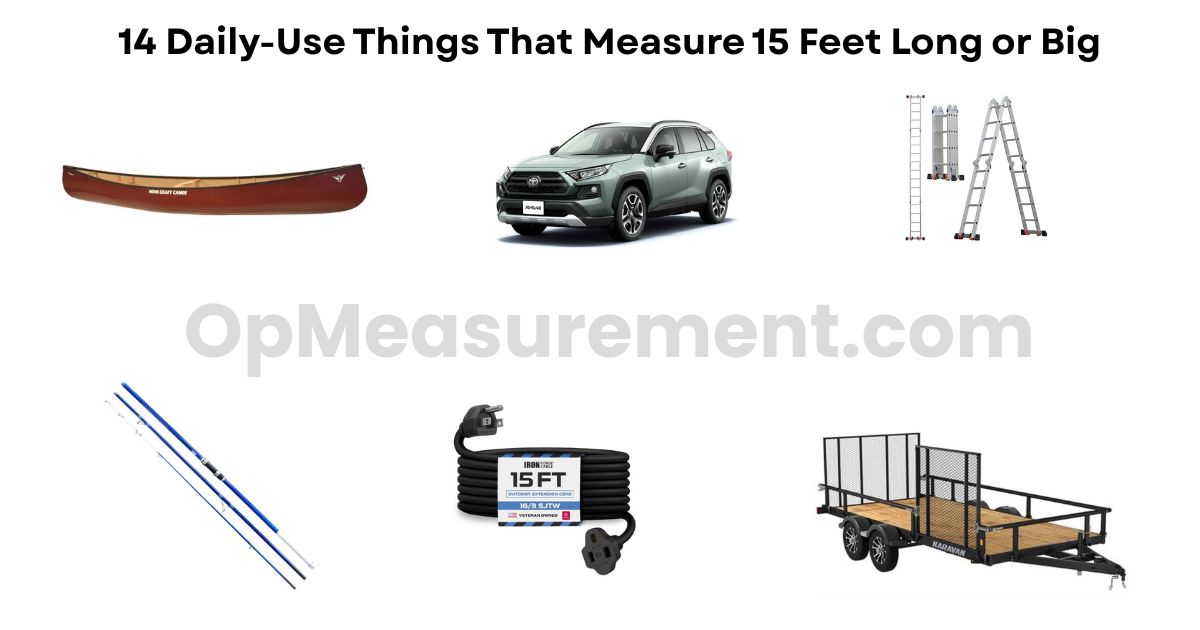
15 feet equals 180 inches, exactly 4.572 meters, and 5 yards. The examples below are size comparisons, not universal dimensions. Check the stated product length and distinguish height, width, interior space, and overall length. Count steps only after measuring your own step length.
15 feet is 457.2 cm, 4.572 meters, or 180 inches flat. Picture two and a half adults standing on each other’s heads — that’s your number. It’s not a dramatic distance, but it’s surprisingly hard to visualize until you tie it to something you’ve already touched, driven, or tripped over.
Every object below measures 15 feet in at least one real dimension. No approximations padded to fit the list.
How Long Is 15 Feet, Really?
Stand in a standard one-car garage. The depth of that space — from the closed door to the back wall — runs about 20 feet. Now shave off 5 feet from the back. What’s left is 15 feet. That’s your mental anchor.
From a different angle: a 15-foot height sits right at the roofline of a typical single-story house. Taller than your interior ceiling by roughly 6 or 7 feet. Not skyscraper tall, but certainly not something you can touch by jumping.
| Unit | Exact Value |
| Inches | 180 in |
| Centimeters | 457.2 cm |
| Millimeters | 4,572 mm |
| Meters | 4.572 m |
| Yards | 5 yd |
All conversions follow the International Yard and Pound Agreement of 1959, which fixed one foot at exactly 0.3048 meters.
14 Things That Actually Measure 15 Feet
| Object | Category | Dimension |
| U-Haul Truck | Moving / Transport | 15 ft cargo box interior |
| Recreational Canoe | Outdoor / Water | 15 ft length |
| Compact SUV (RAV4) | Automotive | ~15 ft bumper to bumper |
| Utility Trailer | Hauling / DIY | 15 ft bed length |
| Residential Flagpole | Home / Outdoor | 15 ft height |
| Industrial Ladder | Tools / Safety | 15 ft working length |
| Street Light Pole | Infrastructure | 15 ft height |
| Extension Cord | Household | 15 ft length |
| Large Area Rug | Home Decor | 15 ft long side |
| Ornamental Tree | Landscaping | 15 ft mature height |
| Three Park Benches | Outdoor Furniture | 15 ft combined length |
| Surf-Casting Rod | Fishing / Sport | 15 ft length |
| Great White Shark | Wildlife / Nature | 15 ft average adult length |
| Two Christmas Trees | Seasonal / Home | 15 ft combined height |
1. 15-Foot U-Haul Truck
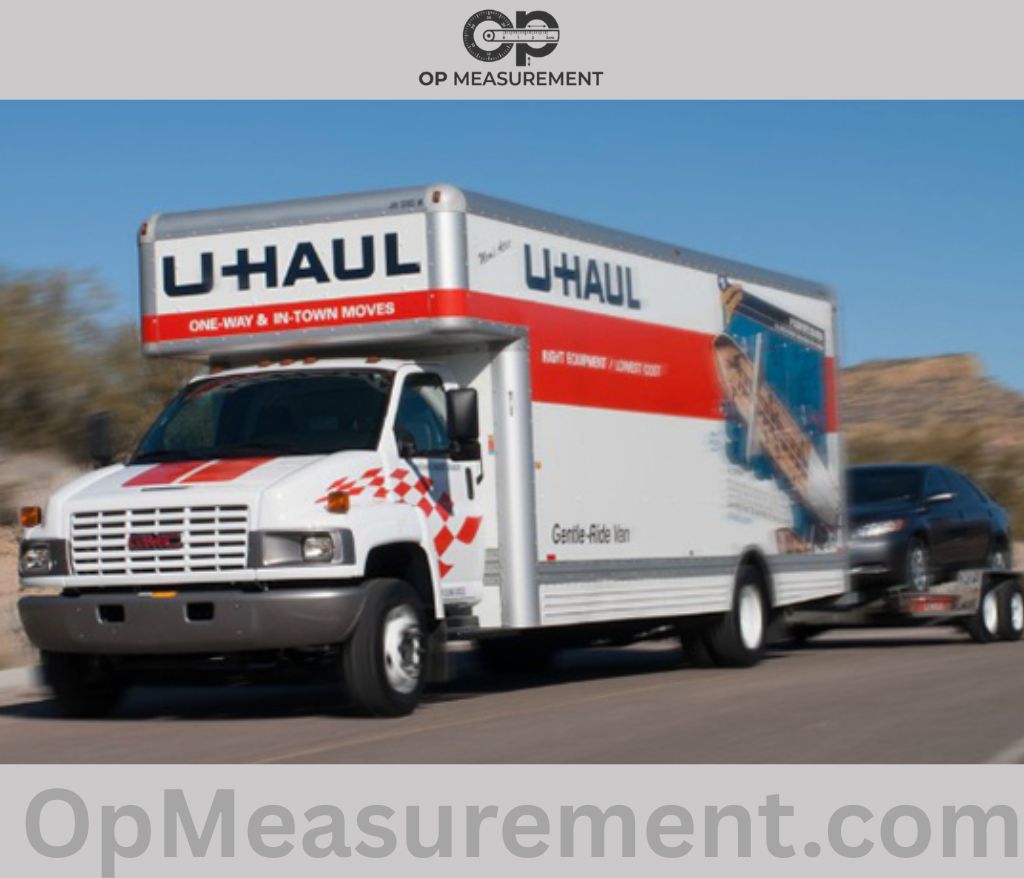
The cargo box — not the whole truck — is where the 15 feet live. U-Haul built this truck specifically around that interior cargo length: 15 feet from the back door to the front wall of the box. Everything else, the cab and bumpers, adds several more feet to the total vehicle.
This is one of the rare cases where the measurement is literally printed on the side of the object. People walk past a 15-foot U-Haul every day and already know the number without realizing it’s a usable reference. Next time you see one parked, walk the length of the cargo box. That walk is your 15-foot calibration.
2. Recreational Canoe
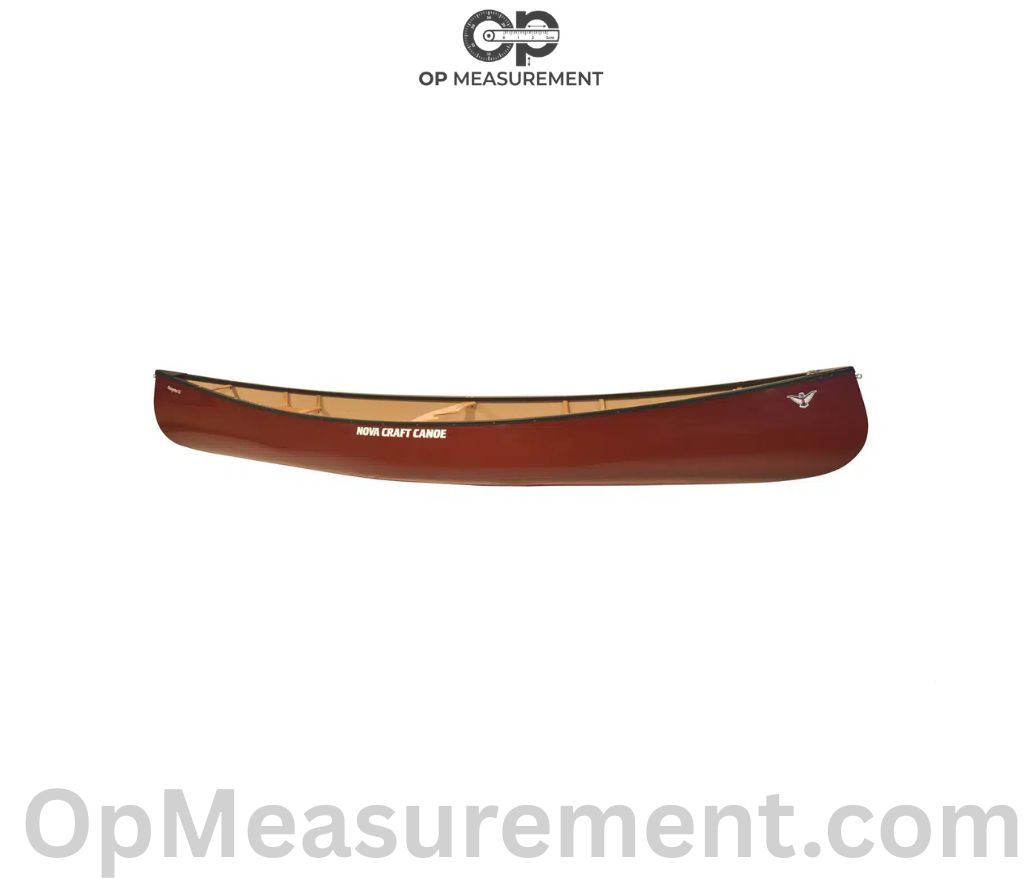
Most canoes you rent at a state park or buy at an outdoor retailer land right at 15 feet. Canoe designers settled on this length decades ago because it balances two things that fight each other: straight-line tracking on open water and tight turning in rivers. Go shorter and the boat spins too easily. Go longer and it becomes stubborn in current.
A 15-foot canoe fits two adults plus a weekend’s gear. Walking from the bow to the stern takes about five relaxed steps. When it’s resting on sawhorses in a garage, it dominates the space in a way that makes the length feel very concrete.
3. Compact SUV
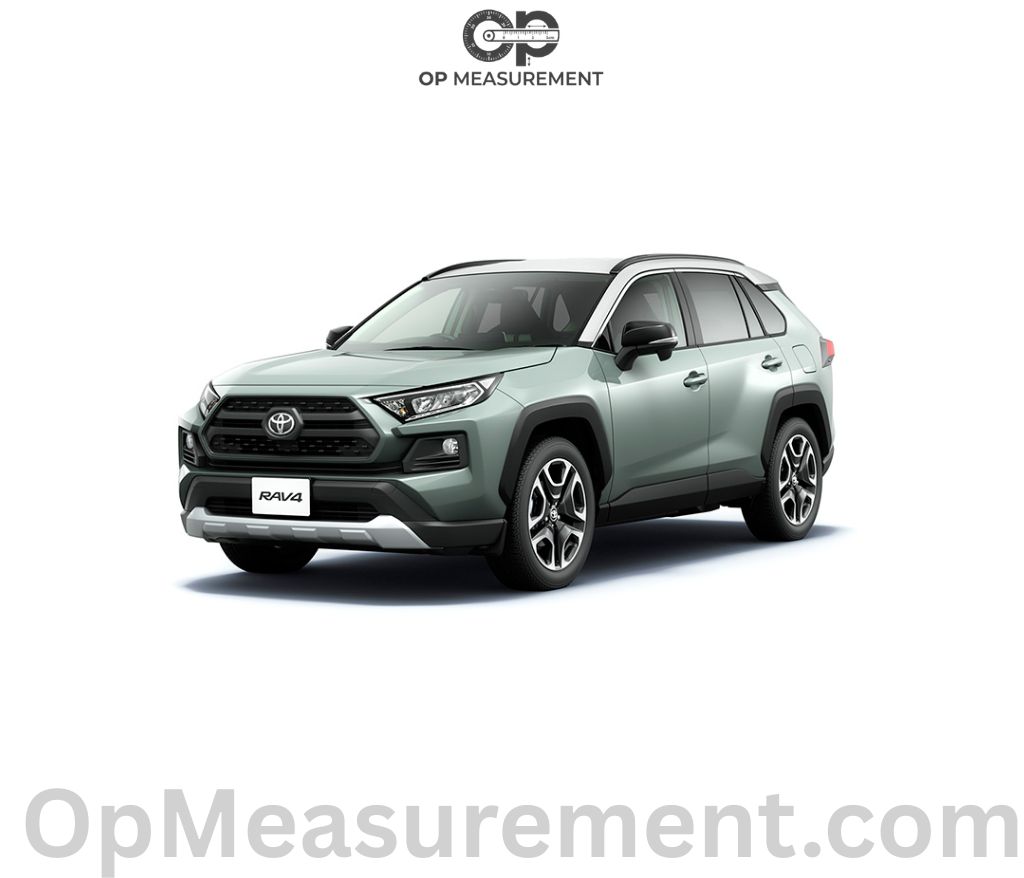
The Toyota RAV4 measures 180.9 inches bumper to bumper — that’s 15 feet and barely one inch. The Ford Bronco Sport runs a hair under at around 172 inches, just shy of 15 feet. These aren’t exact matches, but they’re the closest everyday object most people interact with physically.
Look at a compact SUV in a parking lot. Walk from the front plate to the rear bumper. That distance — the one you probably never thought twice about — is your 15-foot reference sitting right there in any grocery store parking lot.
4. Utility Trailer
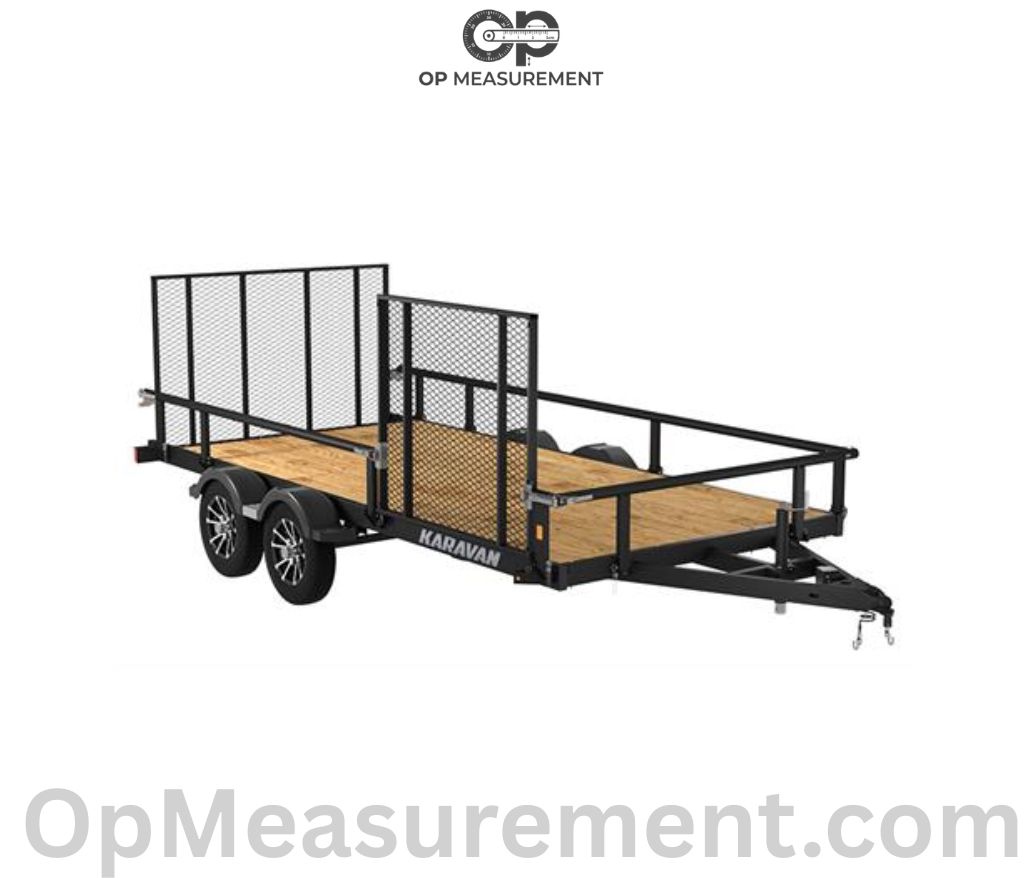
The flat, open-bed trailers hitched behind pickup trucks at lumber yards and garden centers are commonly sold in 15-foot bed lengths. Contractors use them for hauling debris, landscapers load them with mulch, and weekend DIYers drag them home from Home Depot with lumber sticking out the back.
The 15-foot length matters for load capacity — it fits a standard 16-foot board with only a small overhang. When one of these is parked empty in a driveway, the bed looks deceptively short. Hook it to a truck and suddenly you’re managing nearly 30 feet of combined vehicle trying to back into a narrow gate.
5. Residential Flagpole
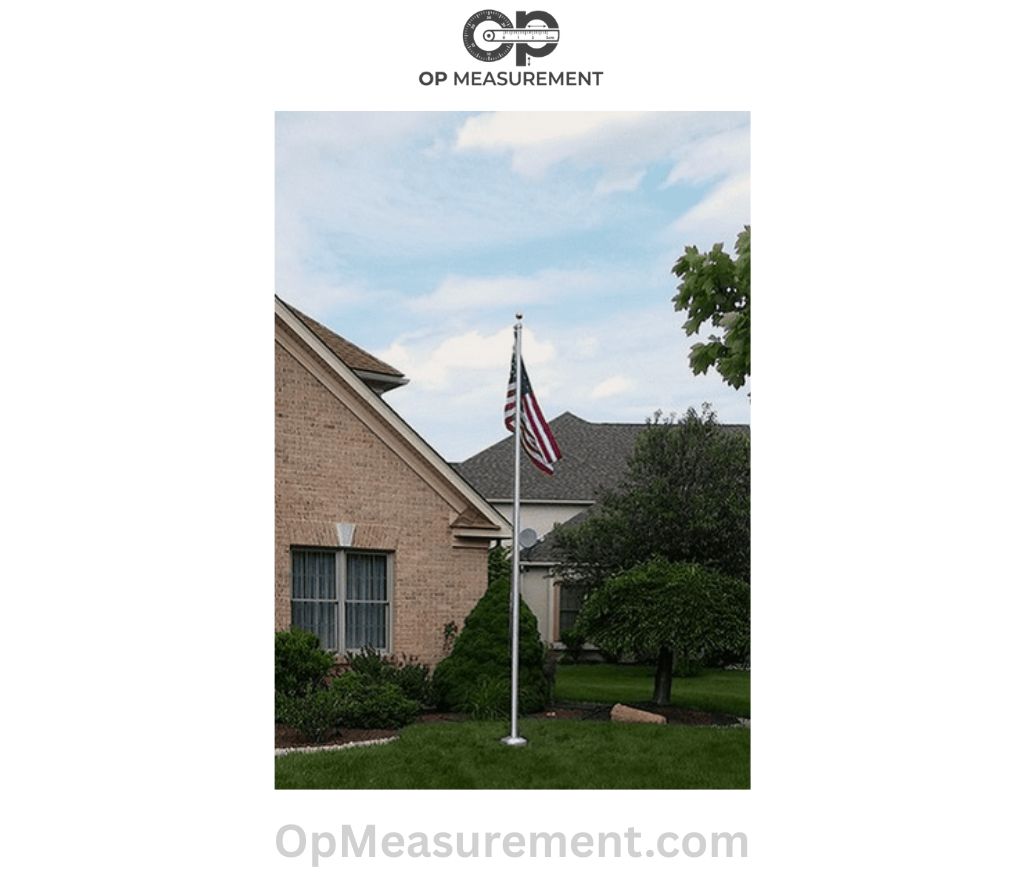
The standard front-yard flagpole sold at hardware stores is 15 feet tall. Not the 25-foot commercial poles outside car dealerships. The residential version — the one you install yourself with a ground sleeve and a rubber mallet — tops out at 15 feet specifically because most municipalities don’t require a permit below that threshold.
Stand at the base and look straight up. The top sits at roughly two and a half times your own height. The flag up there looks smaller than you expect from the ground. That slight sense of surprise is what 15 feet of vertical distance feels like when you’re standing underneath it.
6. Industrial Extension Ladder
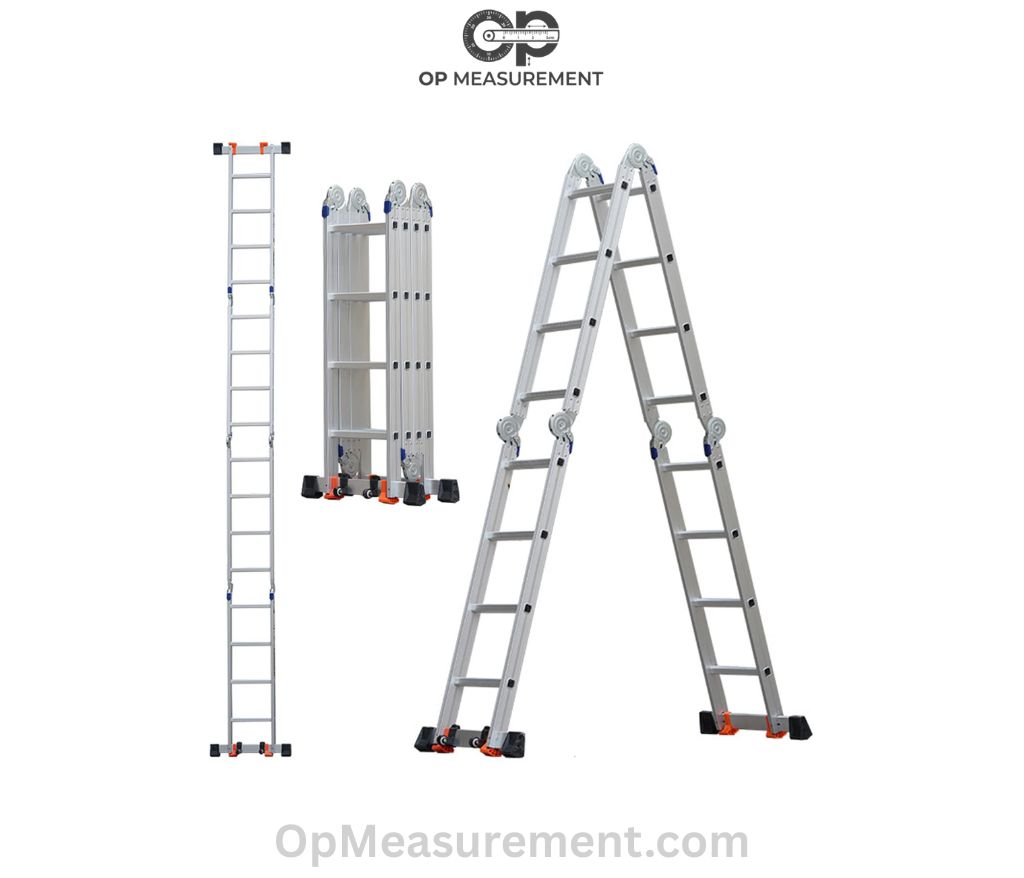
Heavy-duty ladders rated for professional use come in a 15-foot size for a very specific reason: it’s the right working height for single-story rooflines, second-floor gutters, and exterior walls that sit 10 to 12 feet up. You need extra ladder beyond your working point to stand safely.
When an A-frame ladder is fully open at 15 feet, the top is at about the height of a basketball hoop — except much more precarious and significantly heavier. Folded flat, the same ladder is 7.5 feet long, still tall enough that leaning it against a wall takes some effort.
7. Residential Street Light Pole
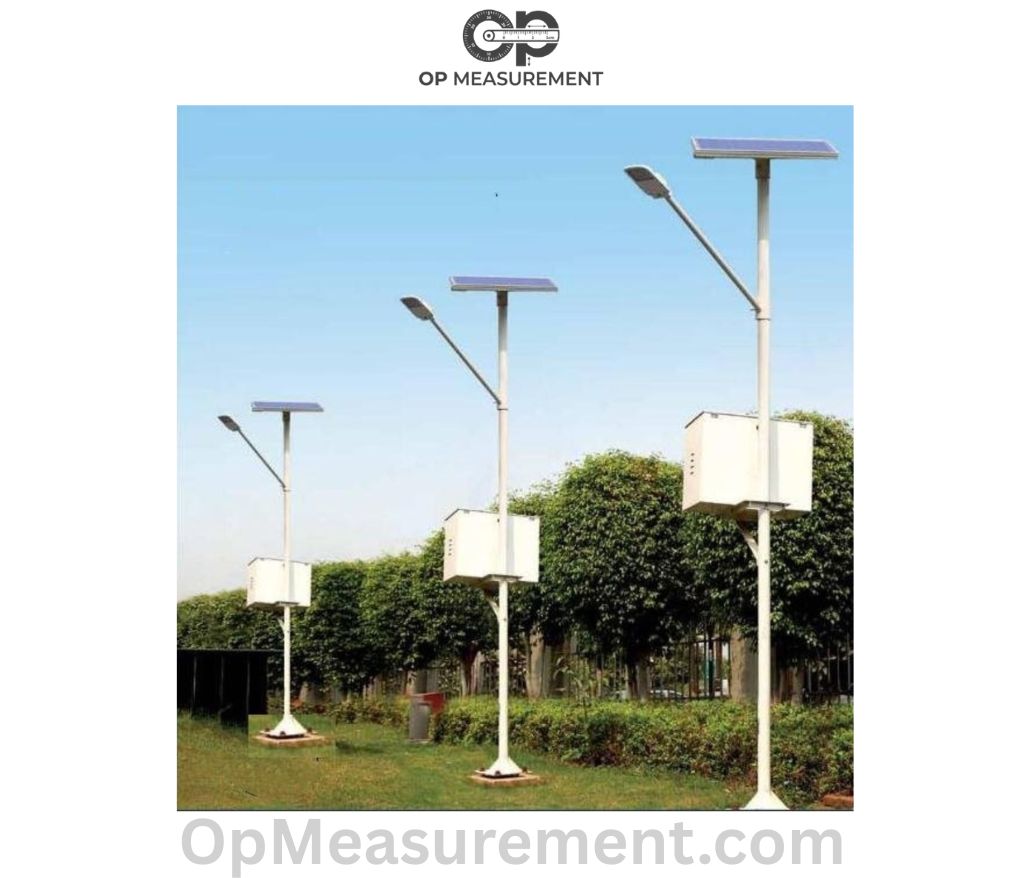
Suburban neighborhoods built in the last 20 or so years tend to use 15-foot light poles along sidewalks and cul-de-sacs. That specific height spreads light wide enough to cover a pedestrian path without pushing glare into second-floor bedroom windows at the same time.
You’ve parked under hundreds of these without registering the height. The next time you pull into a residential street at night, look at the pole your car is sitting under. The distance from the concrete base to the light fixture overhead is very likely 15 feet.
8. 15-Foot Extension Cord
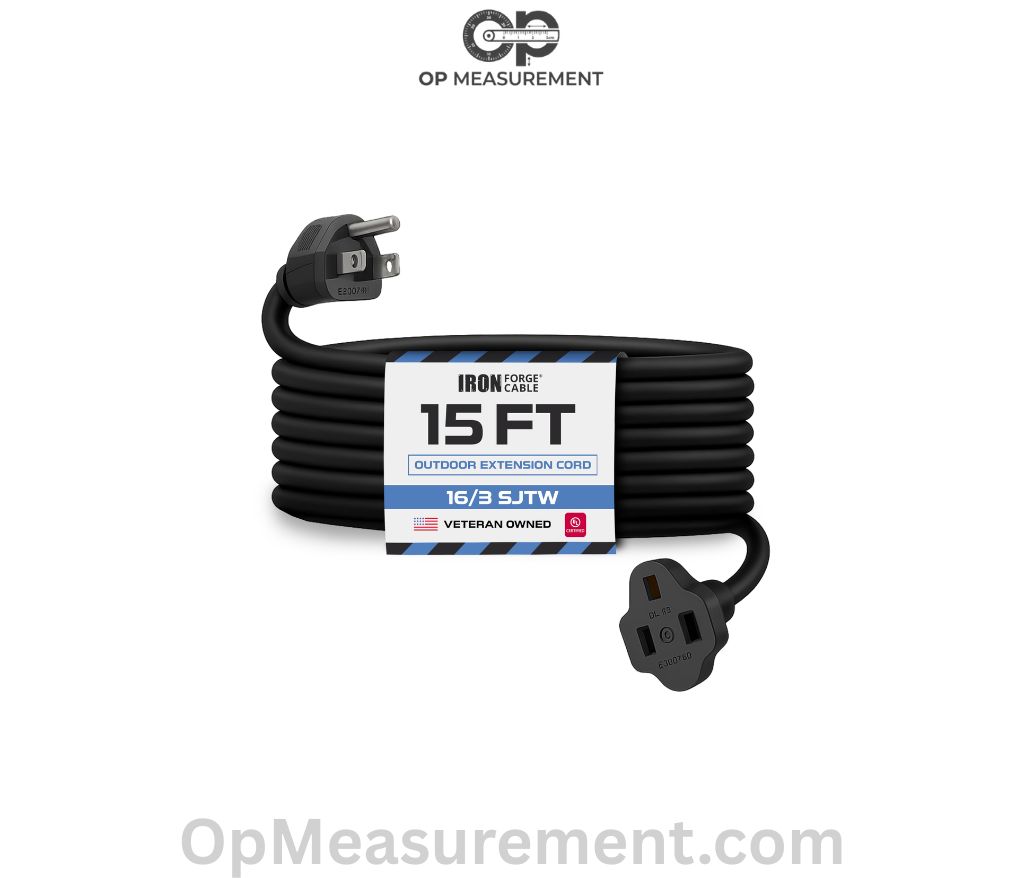
This is the one object on the list that has the measurement printed right on the packaging. It’s also one of the most common household purchases made without much thought — just “the orange cord from the hardware store.”
A 15-foot extension cord fully uncoiled stretches nearly the full depth of a typical living room. It reaches from a wall outlet to the center of a medium-sized room with a few feet left over. Coiled up in a drawer, it looks small. Stretched flat across a floor, it covers real ground — the kind that makes you realize you’ve been measuring your rooms in extension cord units all along.
Read more: How Long Is 80 Feet?
9. Large Area Rug
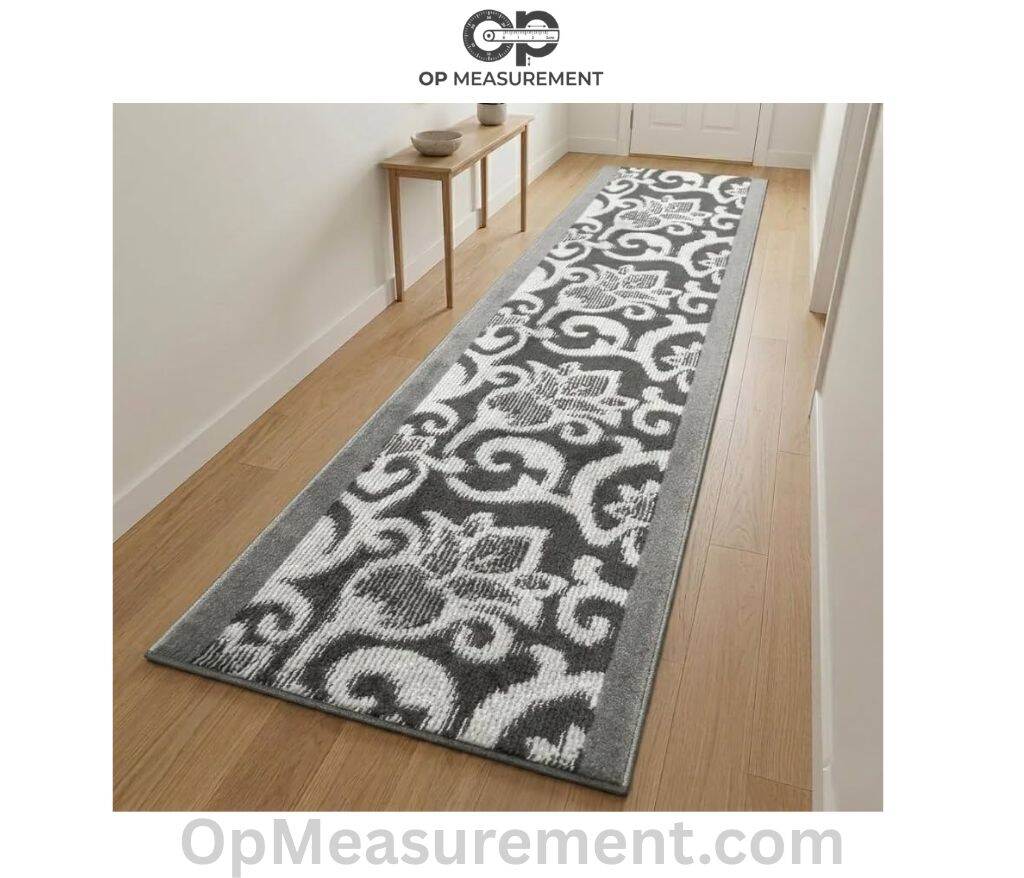
The 10×15 or 12×15 foot rug is what interior designers call an “anchor rug” — big enough to sit under a full dining table with chairs pulled out, or to cover the main seating area of a large living room. The 15-foot dimension runs the long way, wall to near-wall in most standard rooms.
If you’ve ever tried to move one of these alone, you already know what 15 feet of heavy textile feels like in your arms. It folds awkwardly, the far end drags, and you can’t get a grip on the whole thing at once. The size is immediately physical in a way that a tape measure reading never quite is.
10. Mature Ornamental Tree

Japanese maples, dogwoods, and ornamental cherry trees reach 12 to 15 feet at full maturity. Landscapers specifically recommend this height class for front yards and street plantings because it fits under most power lines and stays manageable without annual trimming.
A 15-foot Japanese maple in full autumn color is a beautiful object. It looks like a “normal yard tree” — not tiny, not overwhelming. That ordinariness is the useful part. When something 15 feet tall looks completely at home in a residential front yard, it recalibrates your sense of what the measurement actually means in a lived space.
11. Three Park Benches End-to-End
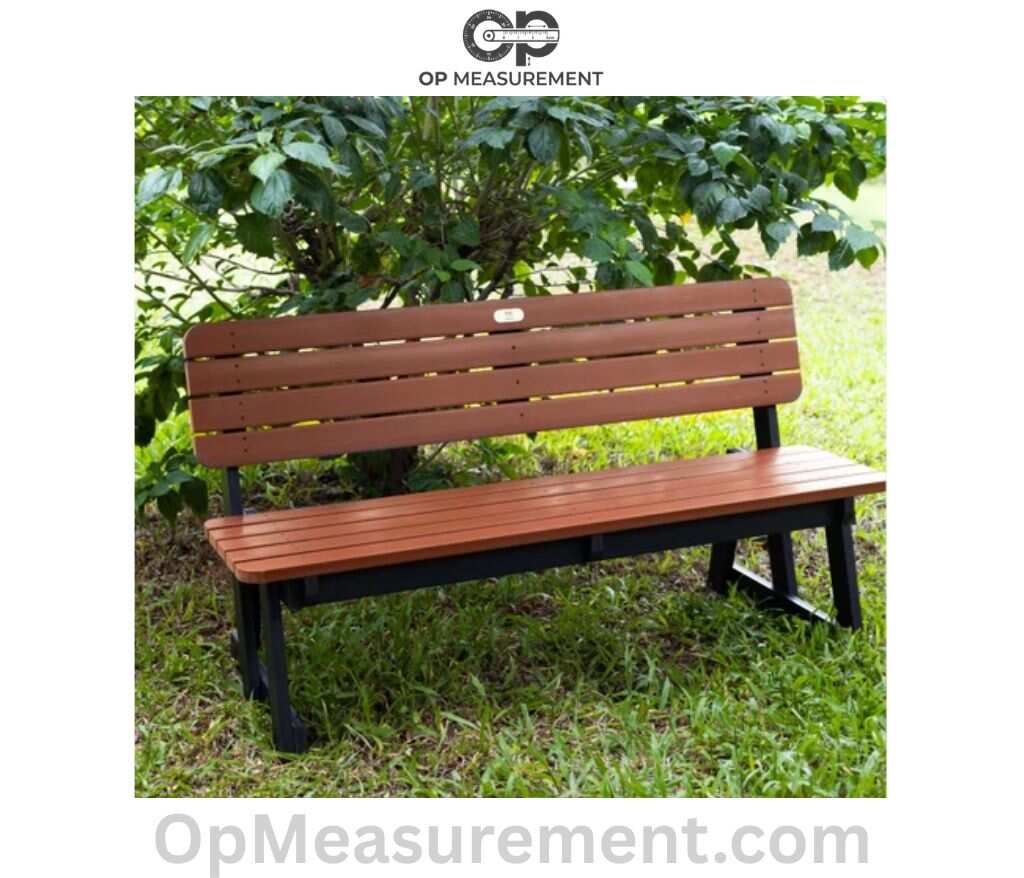
A standard park bench — the green or brown painted kind bolted to a path — runs 5 feet long. Three of them placed in a straight line hit exactly 15 feet.
This one earns its place on the list because it’s usable on the spot. If you’re in any public park trying to estimate 15 feet without tools, count three bench lengths. It’s more accurate than pacing and requires no math. The measurement is already sitting there in the furniture.
12. Surf-Casting Fishing Rod

Standard fishing rods run 6 to 8 feet. Surf-casting rods are a different category entirely. Used on ocean beaches to launch heavy lures past the breaking waves, these rods reach up to 15 feet in length. The length isn’t for show — it directly determines how far the angler can cast.
Carrying a 15-foot surf rod down a beach is an exercise in spatial awareness. The tip extends well past your body in every direction. Swing it carelessly and you’ll knock over a cooler, a beach chair, or an unsuspecting stranger. It’s one of the longest tools a single person regularly handles with their bare hands.
13. Great White Shark

A mature adult great white averages 15 feet in length. Females tend to run larger; males typically measure 11 to 13 feet. The 15-foot figure represents what marine biologists use as the adult average for Carcharodon carcharias.
Lay that length across a standard parking space (about 18 feet long) and the shark almost fills it from front line to back line. The head alone is roughly the width of a car door. People often picture great whites as almost mythically large — and at 15 feet, they’re not wrong.
14. Two 7.5-Foot Christmas Trees Stacked
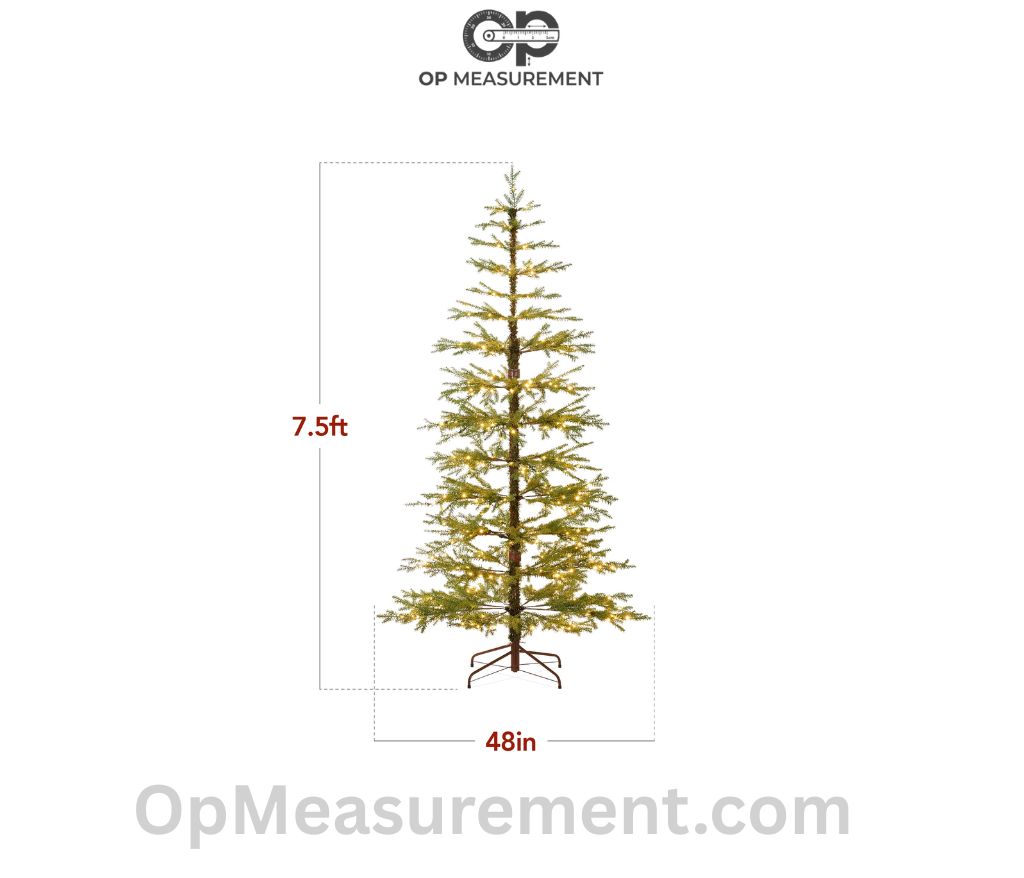
The most popular artificial Christmas tree sold in the US is the 7.5-foot size. It clears most interior ceilings without touching them and looks proportionate in a standard living room. Two of them placed tip-to-base in a line: exactly 15 feet.
This one works as a mental image because almost everyone has wrestled with a 7.5-foot tree — assembling it, carrying it, arguing about whether it’s leaning. Double that familiar struggle and you have 15 feet in a format your body already understands.
Measuring 15 Feet Without a Tape Measure
Three methods that actually work:
Walking stride: A relaxed adult stride covers about 2.5 feet. Six normal steps — not exaggerated, not shuffling — gets you to 15 feet. Calibrate your stride once against a measured surface and this becomes reliable.
A US dollar bill is 6.14 inches long. Thirty bills laid end to end span 184.2 inches, or 15.35 feet. That is an approximation above 15 feet, not an exact 15-foot reference.
Arm span: Most people’s fingertip-to-fingertip span roughly matches their height. Three full arm-spans from someone around 5 feet tall gets you close to 15 feet. Adjust slightly depending on your actual height.
Common Measuring Mistakes about 15 Feet
Cargo length vs. vehicle length. The 15-foot U-Haul cargo box and the full truck are not the same thing. The complete vehicle runs 21 to 22 feet. Confusing them causes parking and maneuvering problems.
Ladder working height vs. ladder length. A “15-foot ladder” may refer to the folded length or the safe working height depending on the type. Read the spec, not just the product name.
Shrinking your stride when counting. People unconsciously take shorter steps when they’re deliberately counting. Your calibrated stride and your counting stride are often different. Test both.
Read more:
FAQs
1. How can I quickly estimate 15 feet without any tools?
Use your steps. A normal adult step is about 2.5 feet. Walk 6 natural steps and you’ll be very close to 15 feet. Try it once on a measured surface to get accurate.
2. Why does 15 feet look taller than it feels long?
Your brain treats height and distance differently. Vertical space feels bigger because you look up, while horizontal space blends into your surroundings.
3. Is 15 feet considered a large size in daily life?
It depends on context. For rooms, it’s normal. For objects like ladders or trees, it’s quite tall. For vehicles, it’s average.
4. What is the most common thing people see that is 15 feet long?
A compact SUV is one of the easiest references. You see them daily, and their length is very close to 15 feet.
Final Words
Understanding 15 Feet becomes simple when you connect it to real things you already know. Instead of guessing, you can now picture it clearly—whether it’s a car, a ladder, or a room. This kind of practical thinking makes measurements useful in everyday life, not just numbers on paper.
For another size reference, see How Long Is 20 Feet?
Conversion reference: NIST unit definitions and conversion factors. Rounded values are for comparison; product dimensions and weights should be checked against the specific item.

Vera loves exploring the size and dimensions of everyday objects. She shares practical, visual guides to help readers understand measurements clearly. With a focus on accuracy and usefulness, Vera creates content that informs, engages, and supports learning for all.