
300 feet is 91.44 meters, 9,144 centimeters, or exactly 100 yards. If you’ve ever stood at one end of an NFL football field and stared toward the opposite goal line, that’s your number. That distance — the one that looks almost too far to throw a ball across — is 300 feet.
Most people hear “300 feet” and their brain goes blank. No mental image forms. This article fixes that with 12 real things that are actually this size, plus conversions, measuring tricks, and a few facts that even experienced builders get wrong.
How Far Is 300 Feet?
It’s shorter than you might think when you’re walking it — about 60 seconds at a normal pace. But when you’re looking at it, 300 feet feels like real distance. It’s not a backyard. It’s not a parking lot row. It’s the kind of span where the person at the other end starts looking noticeably small.
In different units, here’s what 300 feet becomes:
| Unit | Value | Scale Reference |
| Inches | 3,600 in | 300 standard rulers laid flat |
| Feet | 300 ft | Baseline |
| Yards | 100 yd | Football field, goal line to goal line |
| Meters | 91.44 m | Just under a 100m sprint track |
| Centimeters | 9,144 cm | Metric equivalent |
| Kilometers | 0.0914 km | About 1/11th of a km |
| Miles | 0.0568 mi | Roughly 1/18th of a mile |
All values here follow the International Yard and Pound Agreement of 1959, which fixed one yard at exactly 0.9144 meters. Everything flows from that locked ratio — no estimates, no rounding games.
How Far Is 300 Feet Visually — 12 Real Things That Are This Size
| Object | Category | Dimension |
| American Football Field | Sports | 300 ft / 91.44 m |
| Statue of Liberty | Landmark | ~305 ft / 92.96 m |
| Big Ben’s Belfry | Landmark | ~300 ft / 91.44 m |
| 30-Story Office Building | Architecture | ~300 ft / 91.44 m |
| City Block (Grid City) | Urban Planning | ~300 ft / 91.44 m |
| Giant Sequoia Tree | Nature | 275–311 ft / 83–94 m |
| 300-Foot Surveying Tape | Tool | 300 ft / 91.44 m |
| Large Ferris Wheel | Amusement | ~300 ft / 91.44 m |
| One Minute of Walking | Human Scale | ~300 ft / 91.44 m |
| Paracord Spool (standard) | Outdoor Gear | 300 ft / 91.44 m |
| 30 PVC Pipes (10 ft each) | DIY / Construction | 300 ft / 91.44 m |
| Nimitz-Class Carrier Deck Section | Military / Naval | ~300 ft / 91.44 m |
1. An American Football Field

This is the cleanest comparison that exists. The playing surface between the two goal lines on an NFL or college football field is exactly 300 feet — 100 yards, measured precisely. Not approximately. Exactly.
Worth knowing: the full field, including both end zones, stretches to 360 feet. So when people casually say “a football field away,” they usually mean the 300-foot version — just the field of play, not the whole thing. The field is also 160 feet wide, which gives you a sense of the rectangular scale.
If you watch games regularly, you already have this distance wired into your visual memory. Use it.
2. The Statue of Liberty
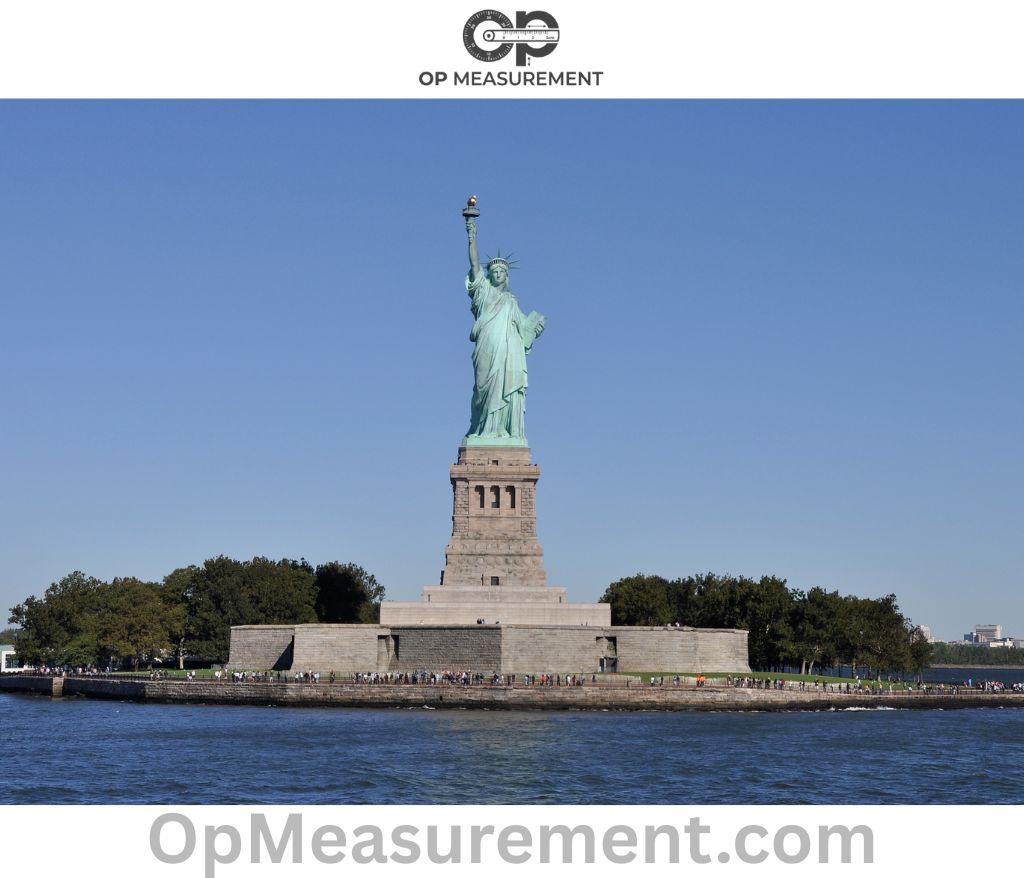
From the ground at her feet to the top of her raised torch, the Statue of Liberty reaches approximately 305 feet. That’s close enough to 300 feet that engineers and architects often use her as a rough benchmark when explaining large-scale heights to non-technical audiences.
What most visitors don’t realize is how the base pedestal eats up nearly half of that total height. The statue herself — just the copper figure — is about 151 feet tall. The remaining 150-plus feet comes from the granite and concrete pedestal she stands on. When you’re standing at street level looking up, the torch isn’t just tall. It’s 300 feet of combined structure above you.
3. Big Ben’s Belfry
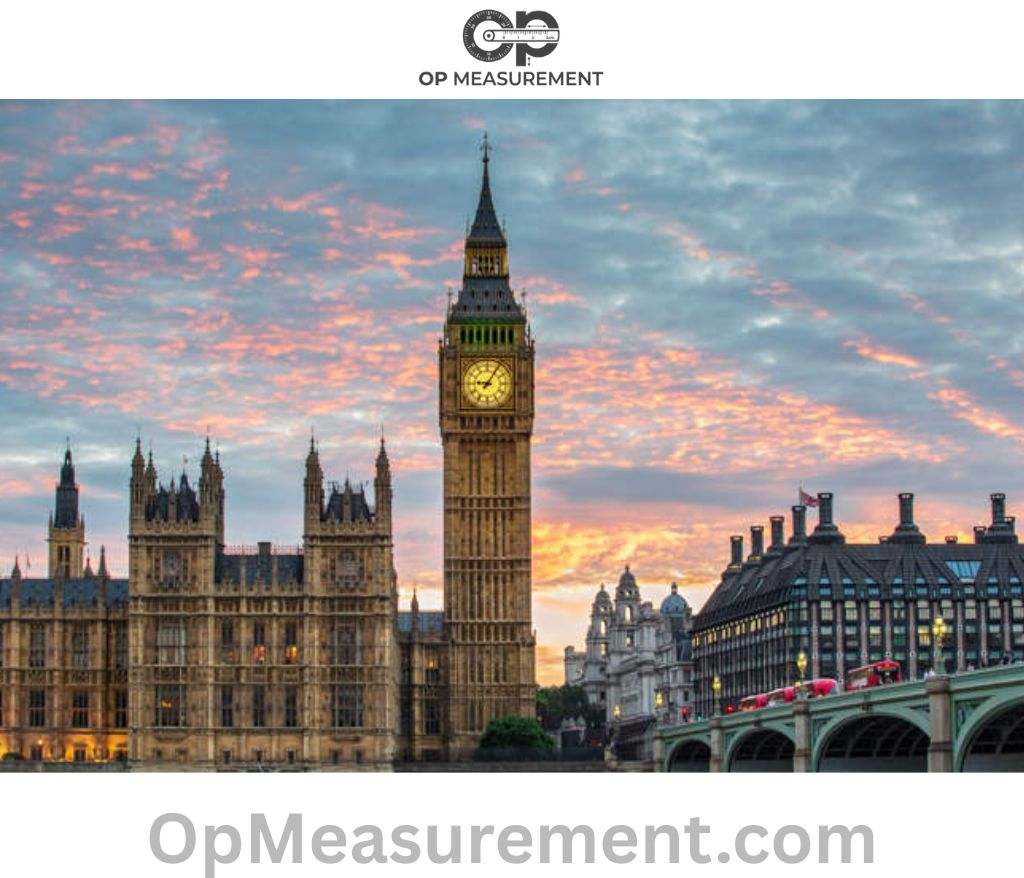
The Elizabeth Tower in London — the one everyone calls Big Ben — stands at approximately 316 feet total. The belfry level, where the famous bell actually hangs and the clock faces are visible, sits at roughly 300 feet above the pavement on Parliament Square.
When you’re standing on Westminster Bridge looking at the tower, the clock faces you’re reading are at approximately this height. It’s one of those buildings that looks manageable in photographs but genuinely stops people when they see it in person. The scale of 300 feet hits differently when it’s stone and iron above a busy city street.
4. A 30-Story Office Building

The standard rule in commercial construction is roughly 10 feet per floor — that includes ceiling height, the structural slab, ductwork, and everything between finished floors. Thirty floors at 10 feet each lands you at 300 feet.
Residential buildings sometimes run closer to 9 feet per floor. Luxury high-rises can push 13 or 14. But a generic 30-story commercial tower is the most consistent real-world anchor for this height. Next time you pass one downtown, count the floors. Then remember that the rooftop is 300 feet above where you’re standing.
5. A City Block in a Grid City
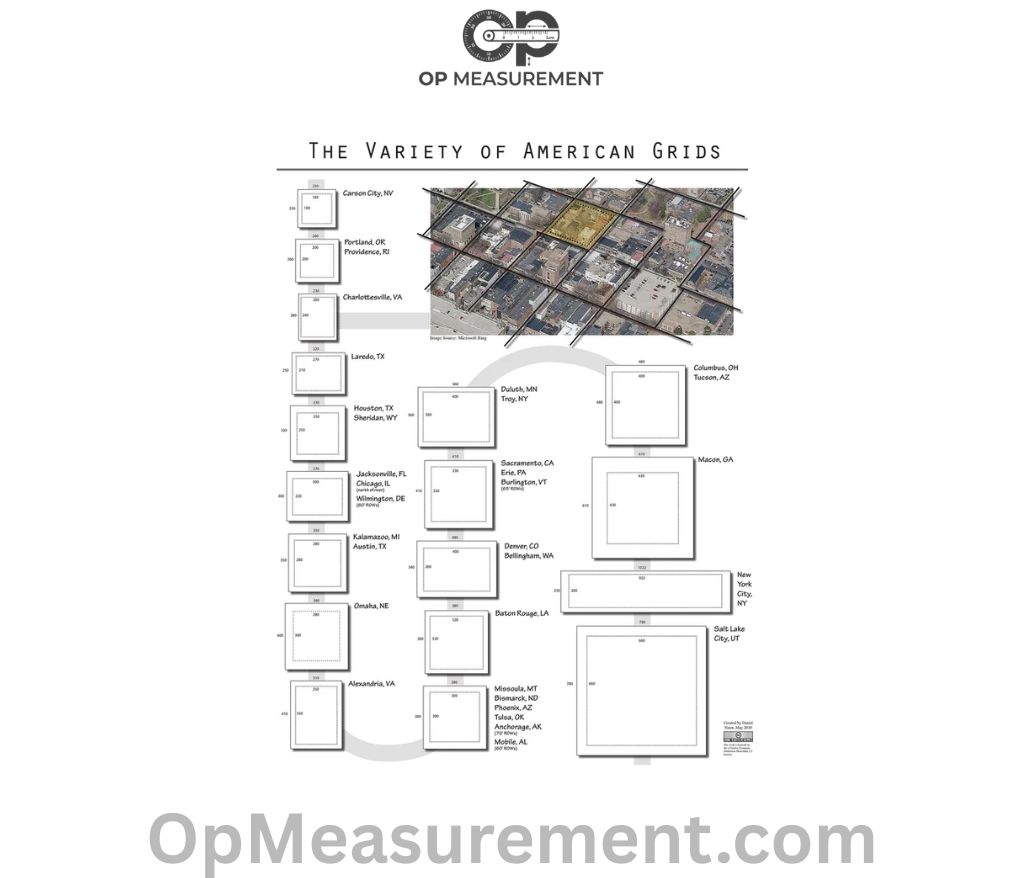
In cities built on a formal street grid — Chicago, Denver, Portland, Salt Lake City — the standard block length runs close to 300 feet. Urban planners have used this dimension for over a century because it balances walkability with density.
It’s not universal. New York City blocks vary wildly depending on direction. But in cities where the grid was deliberately designed, 300 feet per block is the baseline. One block in those cities isn’t a long walk. It’s about 60 seconds. That’s the physical reality of this distance when you’re on foot.
6. A Giant Sequoia Tree
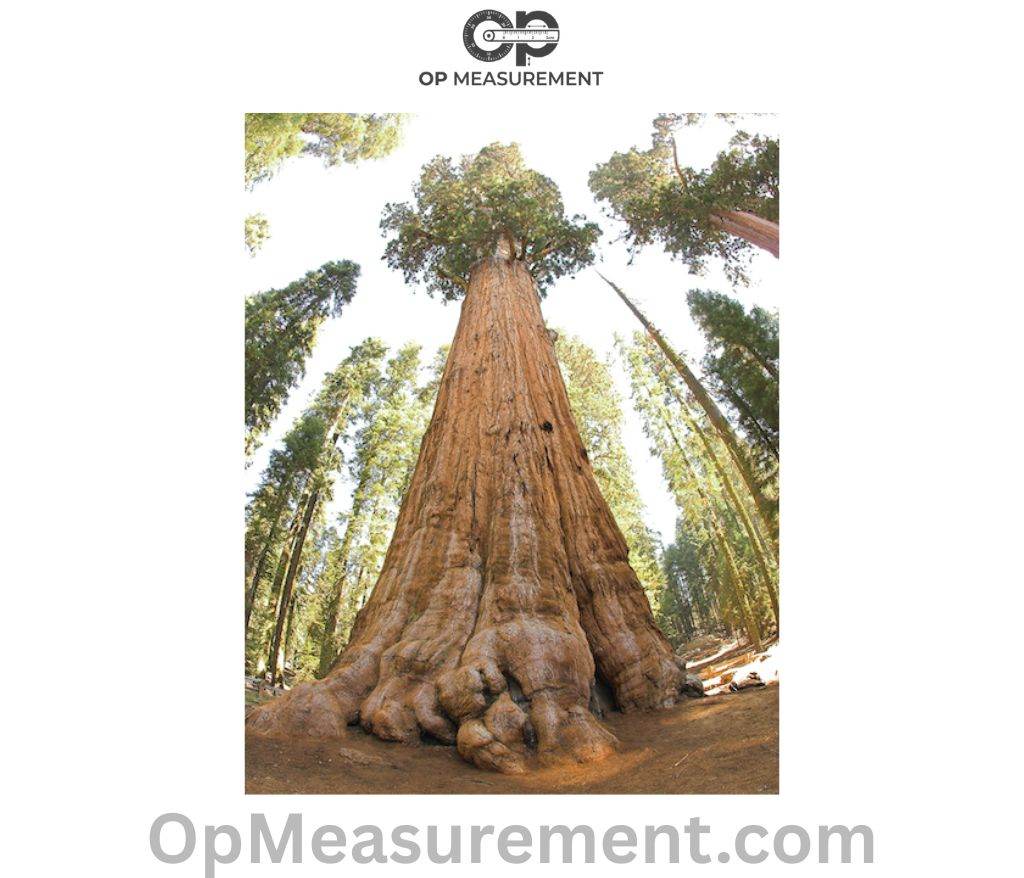
The tallest living Giant Sequoias in California’s Sierra Nevada reach between 274 and 311 feet. The General Sherman Tree — the largest by volume on Earth — stands at 274.9 feet. Several others in the same groves push past 300 feet.
Standing at the base of a mature Sequoia and tilting your head back is one of the few experiences that gives you a gut-level sense of what 300 feet of height actually feels like. These aren’t buildings with floors to count or ladders to reference. It’s just a living organism that took centuries to grow to this scale, rooted in the ground, pulling your eyes straight up.
7. A 300-Foot Surveying Tape
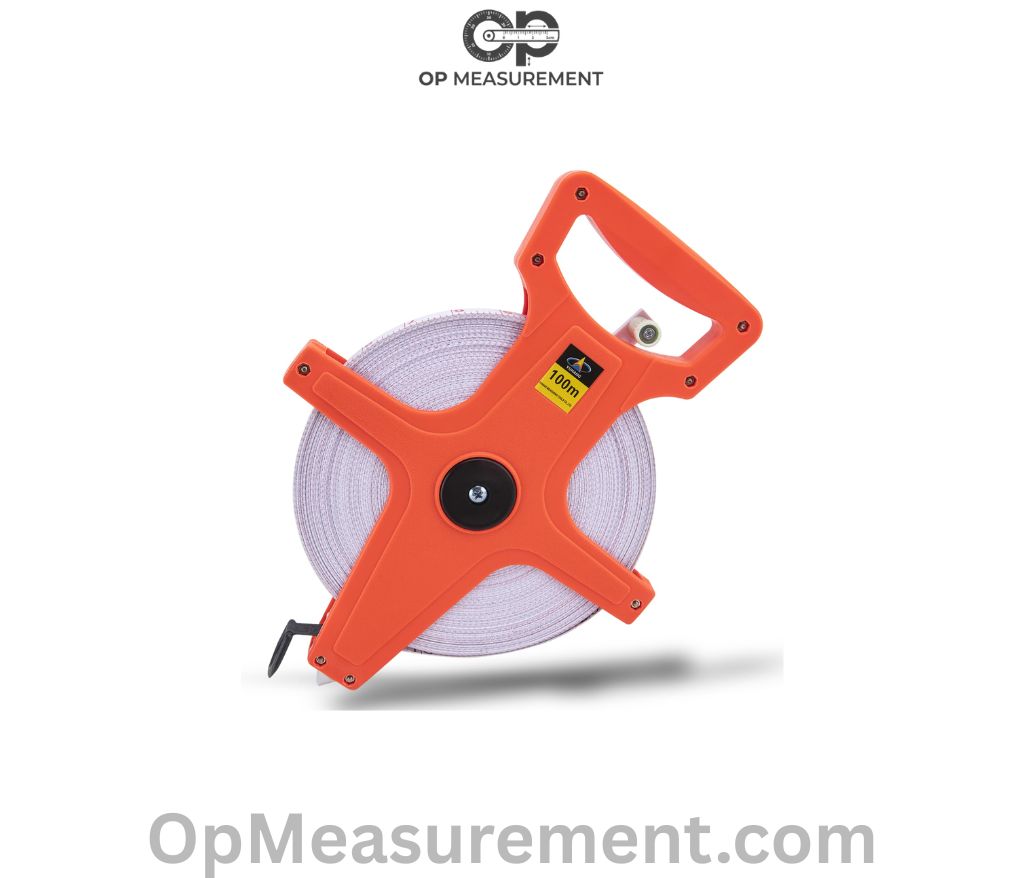
This isn’t something you find in a garage. A 300-foot measuring tape is a professional-grade instrument — the kind land surveyors, civil engineers, and large-scale contractors carry to job sites. They’re used to measure property boundaries, road setbacks, and open construction zones where a standard 25-foot tape would require constant repositioning.
The reel itself is notably larger than a household tape. The tape inside is usually steel or heavy fiberglass. When fully extended across flat ground, it covers a span most people have never deliberately measured in their daily life. If you’ve ever watched a survey crew staking out a field or parking lot, a 300-foot tape is likely what’s in their equipment case.
8. Large Amusement Park Ferris Wheels

Not every Ferris wheel reaches 300 feet — the truly giant ones like Las Vegas’s High Roller go much higher. But many large regional and theme park wheels sit in the 200–300 foot range, with the top of the ride reaching close to this height above the ground.
At that height, people in the gondolas at the bottom look noticeably small from the top car. The wheel itself becomes a reference point you can see from several blocks away. When a Ferris wheel peaks at 300 feet, it’s the kind of structure that appears on city skylines and gets pointed out from moving cars. It’s genuinely tall — not background-tall, but landmark-tall.
9. One Minute of Walking

At a comfortable, natural walking pace — around 3 to 3.5 miles per hour — a person covers roughly 300 feet in 60 seconds. Not a power walk. Not a stroll. Just regular, going-somewhere movement.
This is the most useful version of “how far is 300 feet to walk” because it turns an abstract number into lived experience. Set a one-minute timer. Start walking at a normal pace the moment it starts. Stop when it hits zero. Look back at where you started. That gap is 300 feet. Do it once and the distance becomes much easier to estimate by feel in the future.
10. A 300-Foot Spool of Paracord

Paracord spools are sold in a handful of standard lengths, and 300 feet is one of the most common — used by campers, survival gear enthusiasts, and craft makers. The spool itself sits comfortably in one hand. It feels compact. It doesn’t feel like 300 feet of anything.
Unroll it across a field and your perception shifts completely. That compact spool becomes a line stretching further than you expected, running past parked cars, across open grass, further than a comfortable speaking voice carries.
The contrast between the coiled object and the extended length is one of the most physically surprising demonstrations of this distance — especially for people who work with paracord regularly and think they know how much 300 feet is.
11. Thirty 10-Foot PVC Pipes
Hardware stores sell PVC pipe in 10-foot sections. It’s the standard length for plumbing runs, irrigation systems, and backyard DIY structures. These pipes are awkward — longer than most car trunks, barely fitting in truck beds, annoying to carry solo.
Lay 30 of them end to end and you’ve covered exactly 300 feet. For anyone who has transported even five or six of these at once, the thought of 30 lined up in sequence makes the distance feel real immediately. This comparison is especially useful for people planning irrigation lines, drainage runs, or any underground project where they need to estimate how far a pipe system will travel.
12. The Length of a Nimitz-Class Aircraft Carrier

A Nimitz-class aircraft carrier — the type that serves as the backbone of the U.S. Navy’s fleet — is approximately 1,092 feet long. That’s roughly 3.6 football fields. But the flight deck width on these carriers runs about 252 feet, and the distance from the bow to the first aircraft elevator on deck is close to 300 feet.
More useful for visualization: picture the carrier’s flight deck divided into thirds. Each third is roughly 300 feet of flat, open surface — enough space for aircraft to taxi, park, and stage for launch. When a naval crew describes a 300-foot safety zone around a running jet engine on deck, they’re talking about a distance that covers most of the width of that ship.
Measuring 300 Feet Without a Tape
Three practical methods when you have no tools:
Count your steps. Most adults cover 100 feet in roughly 37–40 walking steps. That means 300 feet is approximately 115 to 120 steps at a natural pace. Calibrate this once on a known distance — like a football field — and your personal step count becomes a reliable field tool.
Use car lengths. A standard sedan runs about 15 feet bumper to bumper. Twenty cars parked in a row covers 300 feet. In a parking lot, count the vehicles along one side of a row. Twenty is your mark.
Phone timer + walk. You don’t need a step-counting app. Set a 60-second timer and walk at your normal pace. Where you stop is approximately 300 feet from where you started. Simple, surprisingly accurate, and repeatable.
Two Measuring Mistakes That Cause Real Problems
Mixing up feet and meters. 300 meters is 984 feet — more than three times the distance of 300 feet. This confusion shows up in property listings, construction estimates, and zoning documents more than most people realize. Always check which unit a document is using before making decisions based on it.
Using “a football field” without specifying which part. The full field with end zones is 360 feet. The playing surface between goal lines is 300 feet. In casual conversation, “a football field” almost always means the 300-foot version. But in anything involving measurements that matter — fencing, setbacks, safety distances — be specific about which reference you mean.
How We Verified 300 feet
The conversion values in this article come directly from the 1959 International Yard and Pound Agreement, which set one yard as exactly 0.9144 meters. That makes 300 feet equal to exactly 91.44 meters — no approximation involved.
Real-world object measurements were checked against architectural documentation, official sports rulebooks (NFL Operations field specifications), and publicly available engineering records. The walking pace figure is based on standard pedestrian speed data used in traffic and civil engineering — approximately 3.5 feet per second at a comfortable walking speed.
Read also:
14 Daily-Use Things That Measure 15 Feet Long or Big
13 Everyday Things That Measure 40 Feet Long or Big
FAQ’s about 300 feet
1. How can I quickly estimate 300 feet without tools?
Use your steps. Walk at a normal pace and count around 115–120 steps. Once you test it once on a known distance, your body becomes your measuring tool.
2. Is 300 feet considered a long distance for daily use?
It depends on context. Walking, it’s short—about a minute. But visually, it feels far enough that details become hard to see clearly.
3. Why does 300 feet sometimes feel longer than it actually is?
Your surroundings change perception. Open spaces make it feel shorter, while narrow streets or indoor areas can make the same distance feel stretched.
4. Where is 300 feet commonly used in real life?
It shows up in construction, property rules, safety zones, and even sports fields. Knowing it helps in planning spaces and understanding distances better.
Final Words
Understanding 300 Feet isn’t about memorizing numbers—it’s about recognizing it in real life. Once you connect it to walking time, familiar places, or everyday objects, it becomes easy to judge distance without thinking twice. Whether you’re planning, measuring, or just curious, having a clear sense of 300 Feet gives you a small but useful advantage in daily life.

Vera loves exploring the size and dimensions of everyday objects. She shares practical, visual guides to help readers understand measurements clearly. With a focus on accuracy and usefulness, Vera creates content that informs, engages, and supports learning for all.


