
50 pounds equals 800 ounces by mass and exactly 22.6796185 kilograms. Use a package labeled 50 lb net weight or a weighed portion as a reference. Packaging adds weight, and household objects vary by size and model. Fluid ounces measure volume, not mass.
50 pounds is 22.67 kilograms. It’s the weight limit on most airline checked bags, the reason your back reminds you it exists after moving a bag of soil, and the exact number stamped on a single Olympic weight plate. You’ve lifted this weight before. You just didn’t know the number at the time.
Whether it feels heavy depends on how you’re carrying it. A 50-pound vest strapped to your chest during a hike feels manageable. The same 50 pounds dangling from one arm in a duffel bag? Your shoulder knows the difference by the end of the parking lot.
The Weight in Numbers
| Unit | Value | What It Feels Like |
| Pounds | 50 lbs | Standard airline bag limit |
| Kilograms | 22.67 kg | A loaded hiking pack |
| Ounces | 800 oz | Industrial or bulk scale reference |
| Stone | 3.57 st | Used in UK body weight contexts |
These conversions follow the International Yard and Pound Agreement of 1959, which fixed the exact ratio between imperial and metric units globally. Every number in that table traces back to that agreement.
Is 50 Pounds Actually Heavy?
For a single lift with good form — yes, it asks something of you. For repeated lifts across a full workday — it adds up in ways one lift never shows you.
Occupational health guidelines flag 50 pounds as the upper boundary for solo lifting in most workplace settings. Above this, team lifts or mechanical assists are typically recommended. Below it, occasional lifts are considered manageable for most healthy adults with proper technique.
For women specifically: A single lift at 50 pounds is within reach for most women in reasonable physical shape. The challenge isn’t one lift — it’s ten lifts, or twenty, or dragging a loaded suitcase through three airport terminals. Frequency and posture matter far more than the number alone.
13 Things That Weigh 50 Pounds
A Bag of Garden Soil or Topsoil
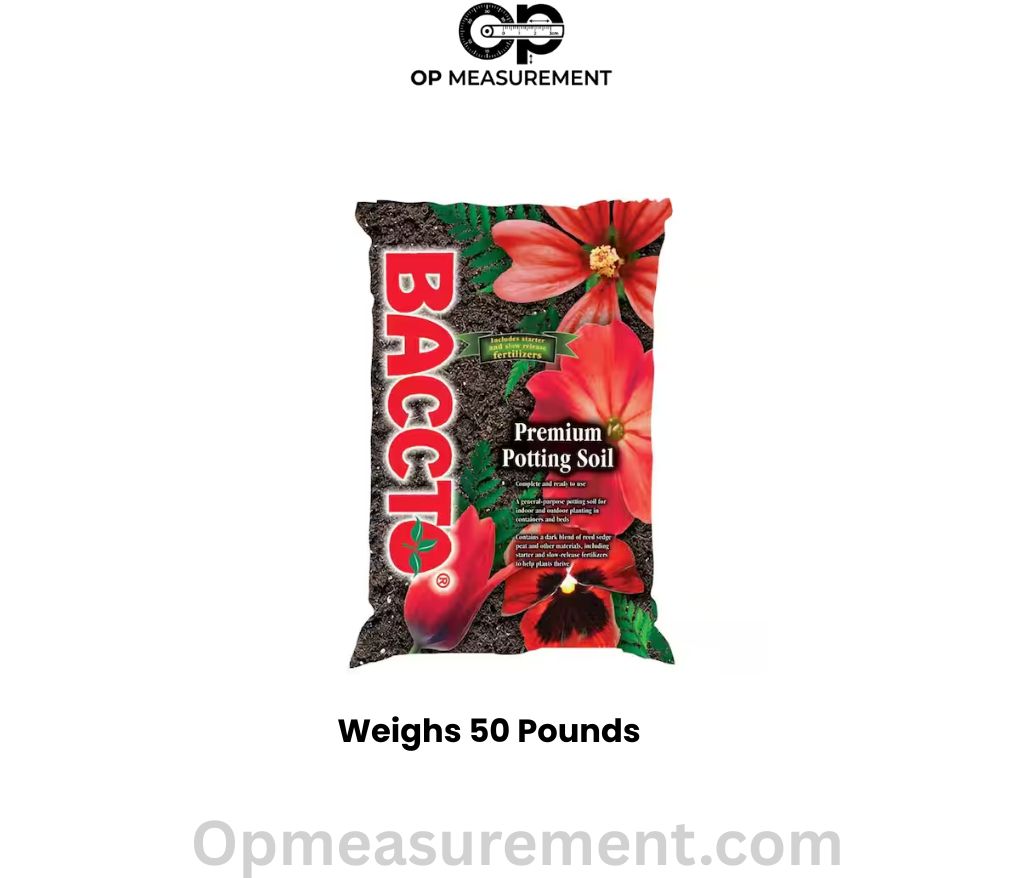
Damp soil lies to you. A standard bag at any hardware store looks like something you could toss over one shoulder without much thought — until you actually pick it up. The moisture packed into the dirt adds real mass that dry potting mix simply doesn’t have. You feel the difference the moment the bag leaves the shelf.
Landscapers who move dozens of these daily don’t lift them repeatedly. They drag. That’s not cutting corners — it’s understanding that 50 pounds lifted 40 times across a workday is a completely different physical demand than 50 pounds lifted once from a car trunk.
A Car or Marine Battery
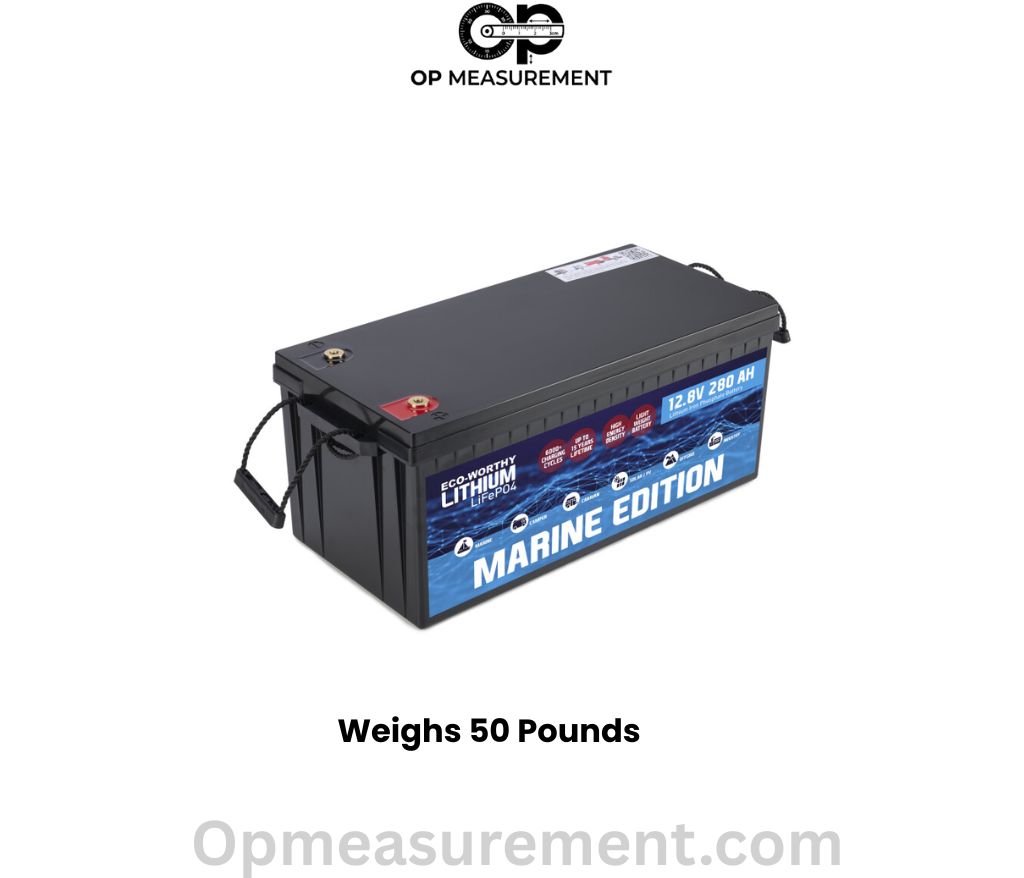
This is the classic case of an object that looks lighter than it is. Larger automotive and marine batteries — built for big truck engines or boats with extended power draw — pack their weight into a compact casing because of the dense lead plates stacked inside. It looks like something you could grab with one hand. You can’t, not comfortably.
Mechanics lift these with both hands pulled close to the body, not by the plastic handle on top. The handle is there for repositioning, not for a full carry. That distinction matters when you’re the one replacing it at the end of a driveway.
A Mid-Size Window Air Conditioner
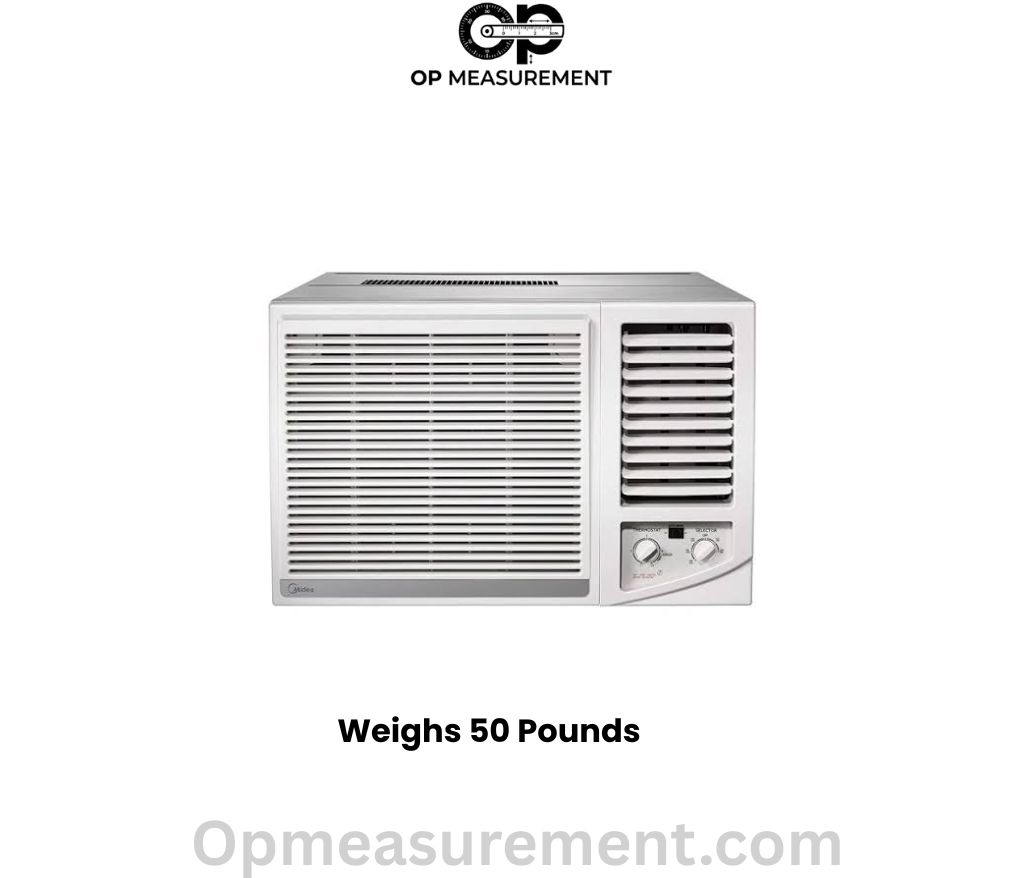
Anyone who’s wrestled a window unit into a second-floor bedroom in July already has a physical memory of this weight. Mid-size units — built for larger bedrooms or open living spaces — commonly land close to 50 pounds once the compressor and metal housing are factored in.
The weight itself isn’t the hard part. It’s holding that weight at an awkward outward angle while trying to slot it into a window frame without dropping it onto the lawn below. This is one of the more dangerous common lifts in this category. A second person holding the frame is not optional — it’s the move.
Read also: What Weighs 25 Pounds?
A 50-Pound Weighted Vest
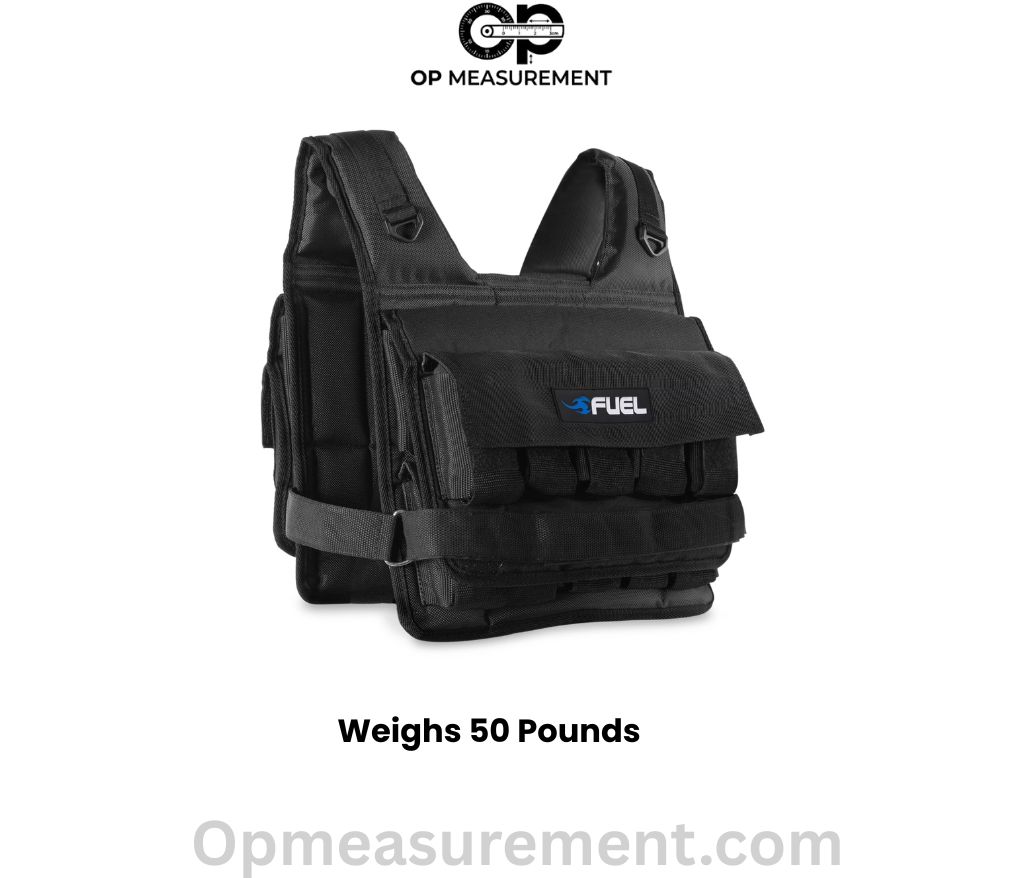
Unlike everything else on this list, this one isn’t an approximation. Weighted vests are manufactured to exact increments, and 50 pounds is a standard size produced intentionally for strength training, rucking, and loaded hiking. The weight is known. That’s the point.
What surprises most people the first time they wear one: 50 pounds distributed across your chest and back feels far more manageable than 50 pounds hanging from one hand. The vest isn’t easier because you’re stronger wearing it. It’s easier because the load is spread. That single insight explains the entire design.
A Recreational Single-Person Kayak
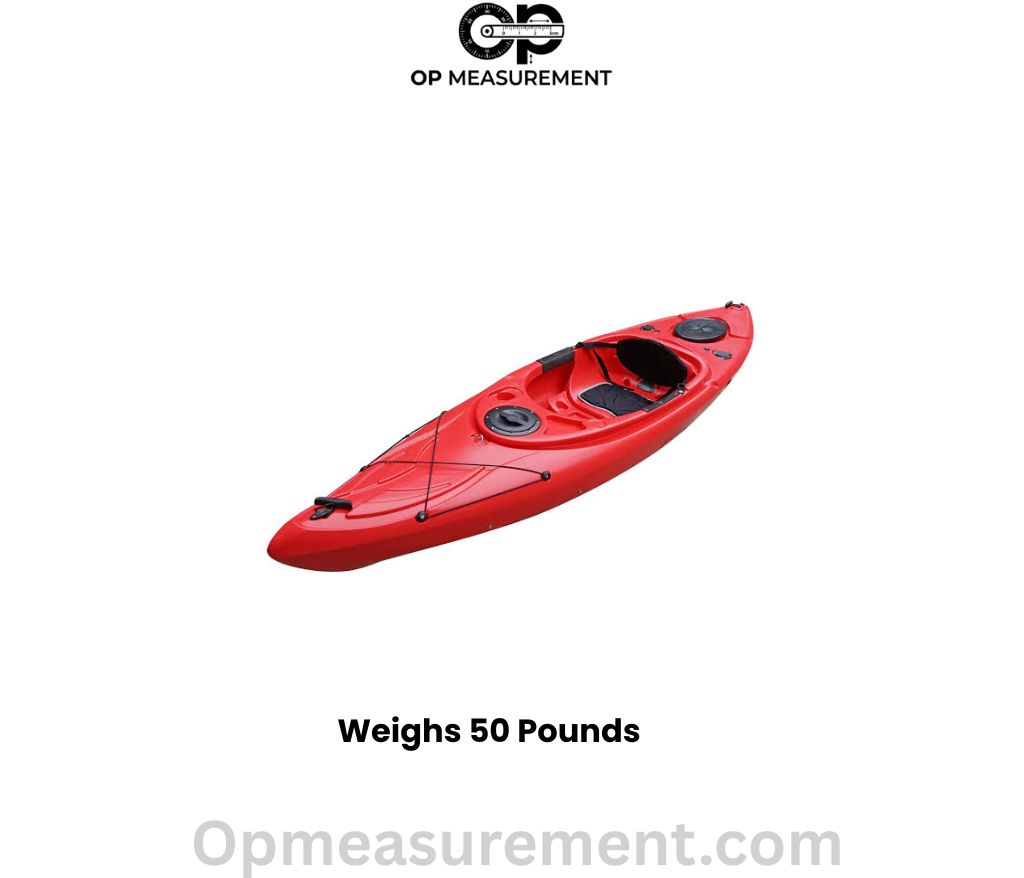
Entry-level plastic kayaks — the sit-on-top style sold for lake paddling and calm water — commonly land near 50 pounds. Composite builds run lighter, but most beginner and mid-range recreational models fall right into this range.
Solo carrying one requires a specific approach: rest the cockpit rim on your shoulder and let the hull trail behind you. Trying to carry a kayak like a suitcase at this weight doesn’t work past the first 30 feet. The length and awkward shape turn a manageable weight into a real task.
A Small Portable Generator
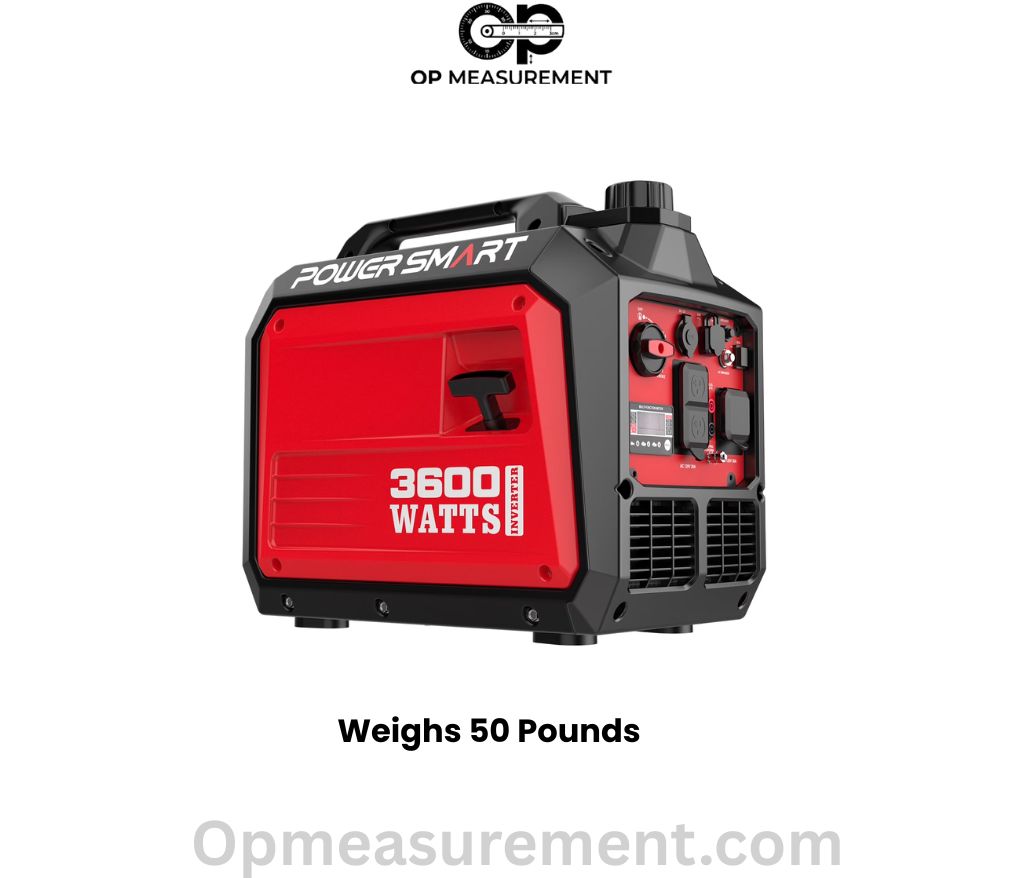
Compact emergency generators — built for camping or short outages rather than powering an entire house — often weigh close to 50 pounds. That’s intentional. Manufacturers target a weight one person can load into a truck bed or car trunk without a hand truck, because portability is the main reason someone buys the smaller unit instead of a larger stationary one.
Handle placement matters more than most people realize. A low, centered handle on a generator carries noticeably easier than a top-mounted handle on a taller unit at the exact same weight, because the balance point changes how hard your wrist fights the load during a carry.
An Industrial Extension Ladder
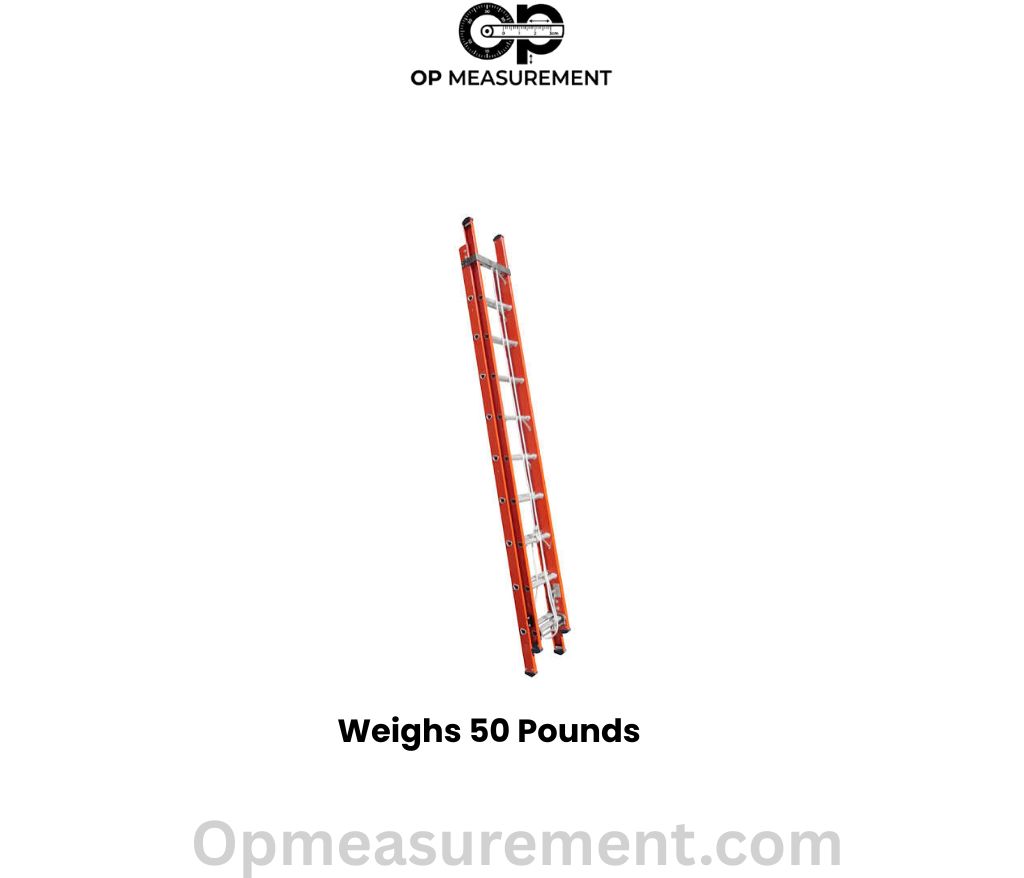
A heavy-duty 24-foot extension ladder used by contractors, electricians, and roofers typically weighs around 50 pounds. Fiberglass models — required near electrical work — run heavier than aluminum, and that extra mass is a deliberate safety tradeoff, not a design flaw.
The challenge with a ladder at this weight isn’t the lift from the ground. It’s navigating it around tight corners, through doorways, and up exterior stairways. A long, rigid object distributes its weight in ways that make a 50-pound ladder feel harder to manage than a 50-pound box of the same mass.
A Hydraulic Floor Jack
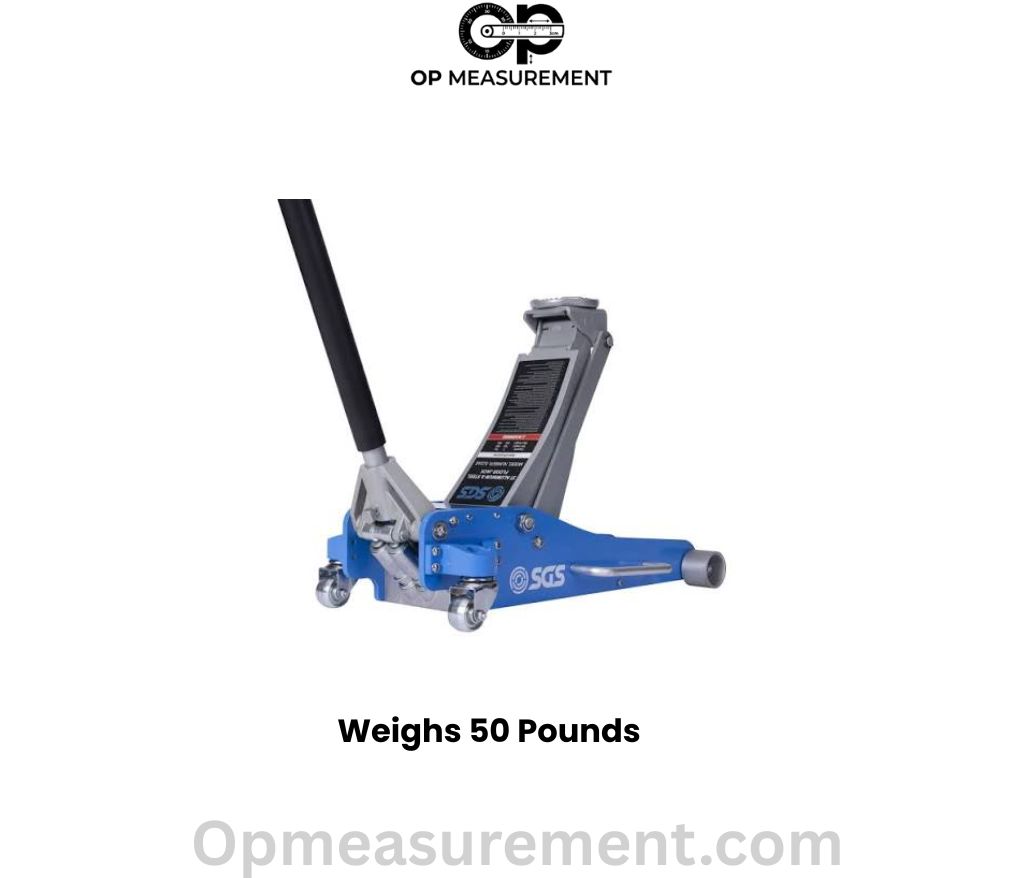
A 2-ton or 3-ton hydraulic floor jack built for home garage use weighs around 50 pounds because of its solid steel frame and hydraulic cylinder. Roll one across a concrete floor and you feel the density immediately — it moves with real resistance even on a smooth surface.
Worth noting: the weight of the jack is part of why it works safely. That low center of gravity and heavy mass keep it stable under a vehicle. A lightweight floor jack would be a convenience problem and a safety problem at the same time.
Read more: What Weighs 100 Pounds?
Six Gallons of Fresh Water
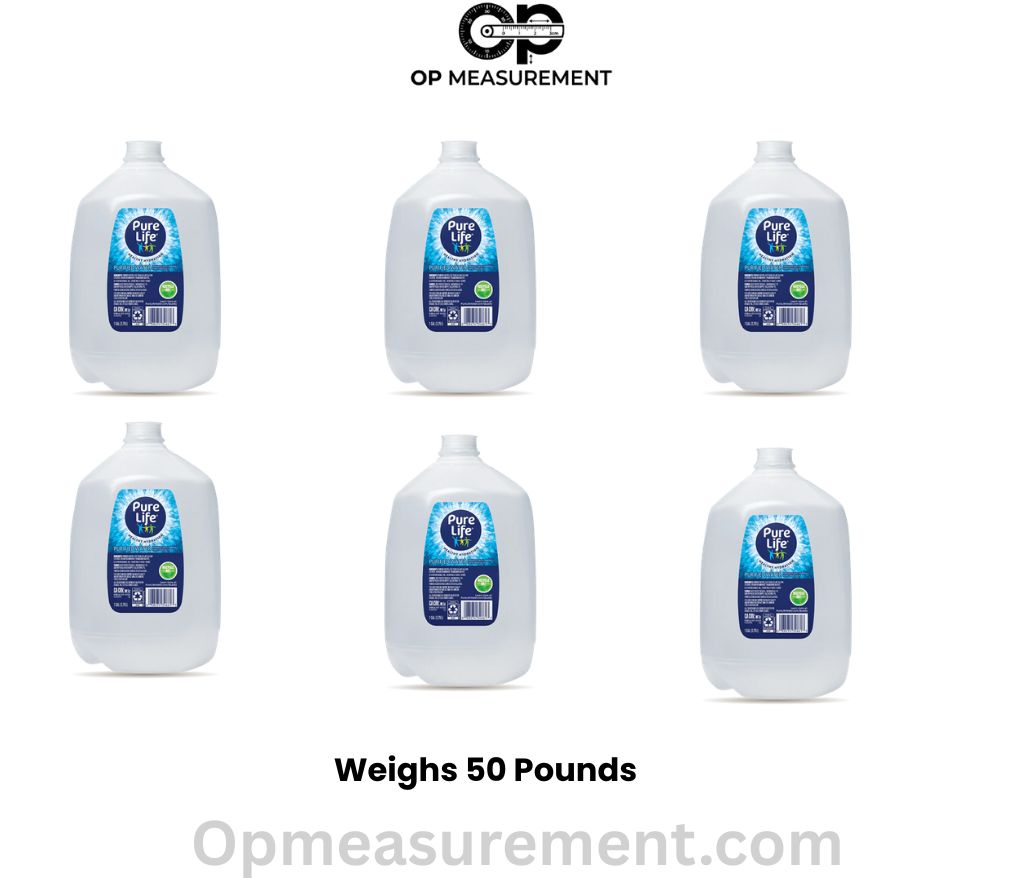
Water weighs 8.34 pounds per gallon. Six full gallons land at just over 50 pounds. This is one of the most practical reference points for emergency preparedness planning, because a standard 6-gallon water container filled to the top is essentially a 50-pound object you need to move, store, and access.
Liquid weight is harder to carry than solid weight at the same number. The sloshing shifts your center of gravity with each step. This is why emergency storage containers above 5 gallons are almost always designed with wheels — not a convenience feature, a necessity.
A Steel Grocery Cart
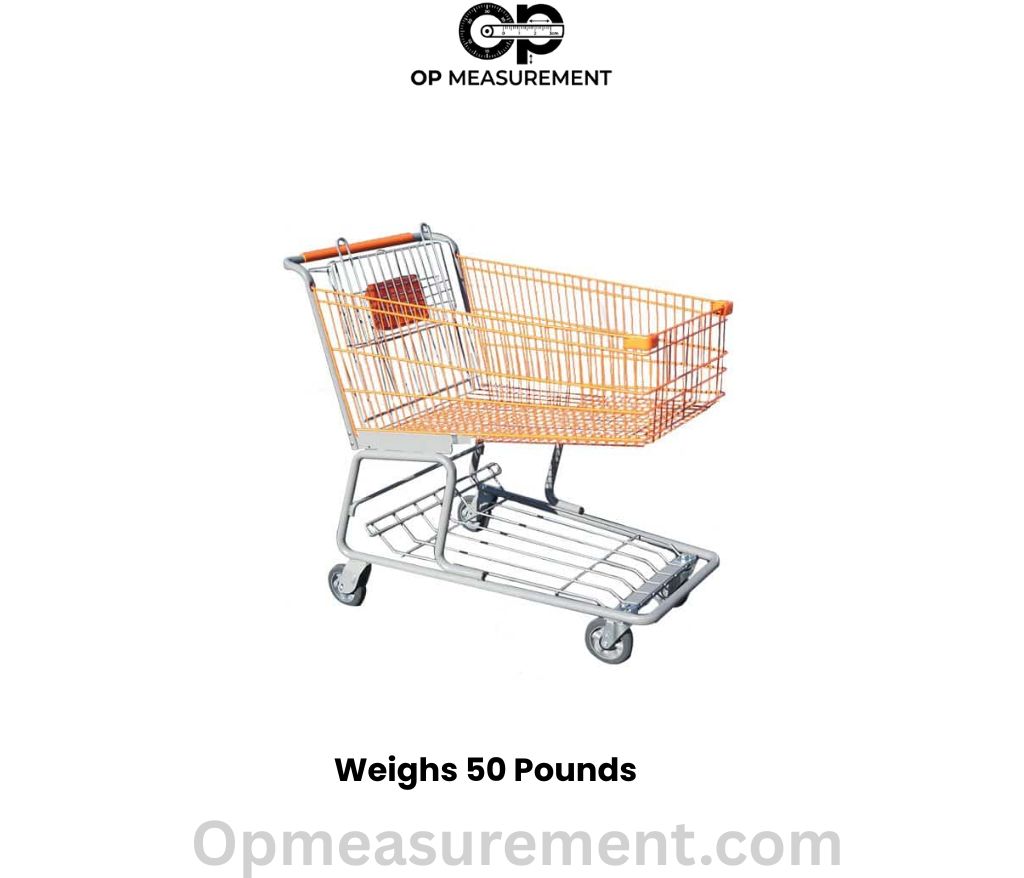
A full-size steel grocery cart weighs close to 50 pounds before a single item goes into it. Most shoppers notice this only when pushing one uphill across a parking lot or into a headwind. The resistance you feel before the cart is even loaded? That’s 50 pounds of steel rolling on four small wheels.
A Twin-Size Memory Foam Mattress
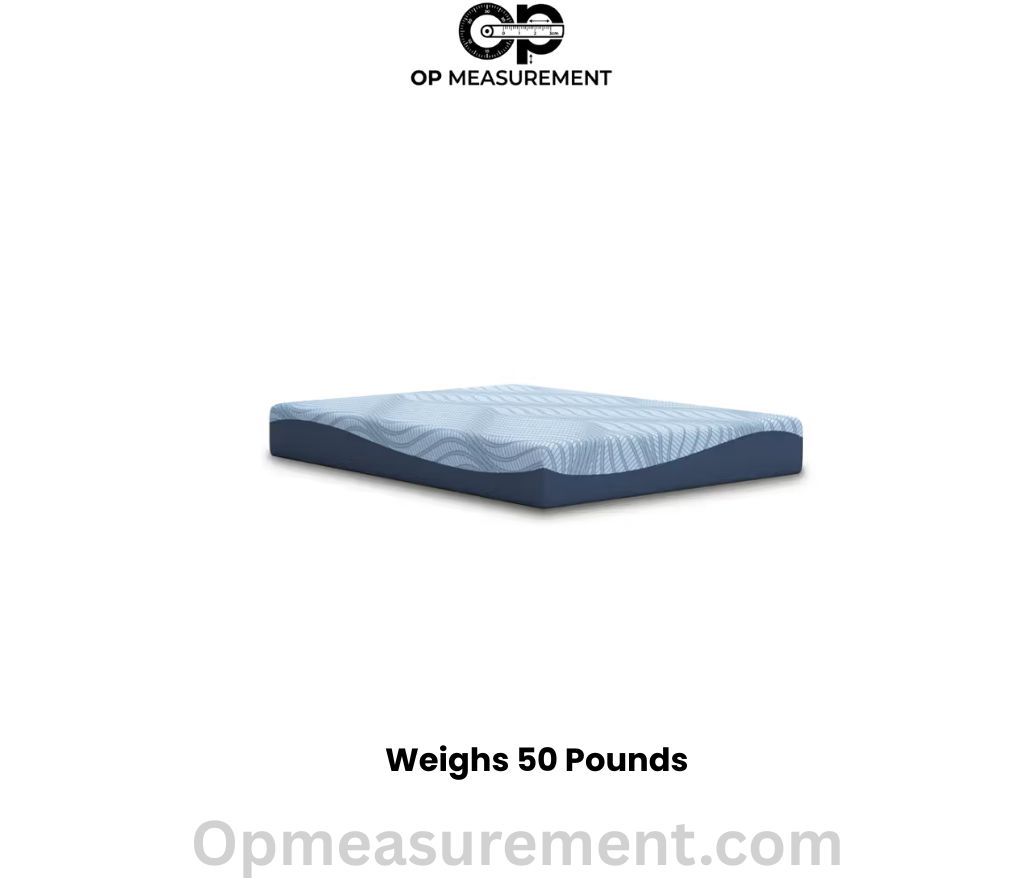
A standard twin memory foam mattress commonly weighs around 50 pounds, though density and thickness push this number up or down. The weight is manageable in theory. In practice, moving one solo is awkward because foam gives you nothing to grip — it compresses, bends, and shifts as you try to carry it.
This is partly why mattress companies ship new foam mattresses compressed and rolled into a box. Once expanded, you’re dealing with a large, floppy object that has no handles and doesn’t want to cooperate.
A Fully Packed Checked Airline Suitcase
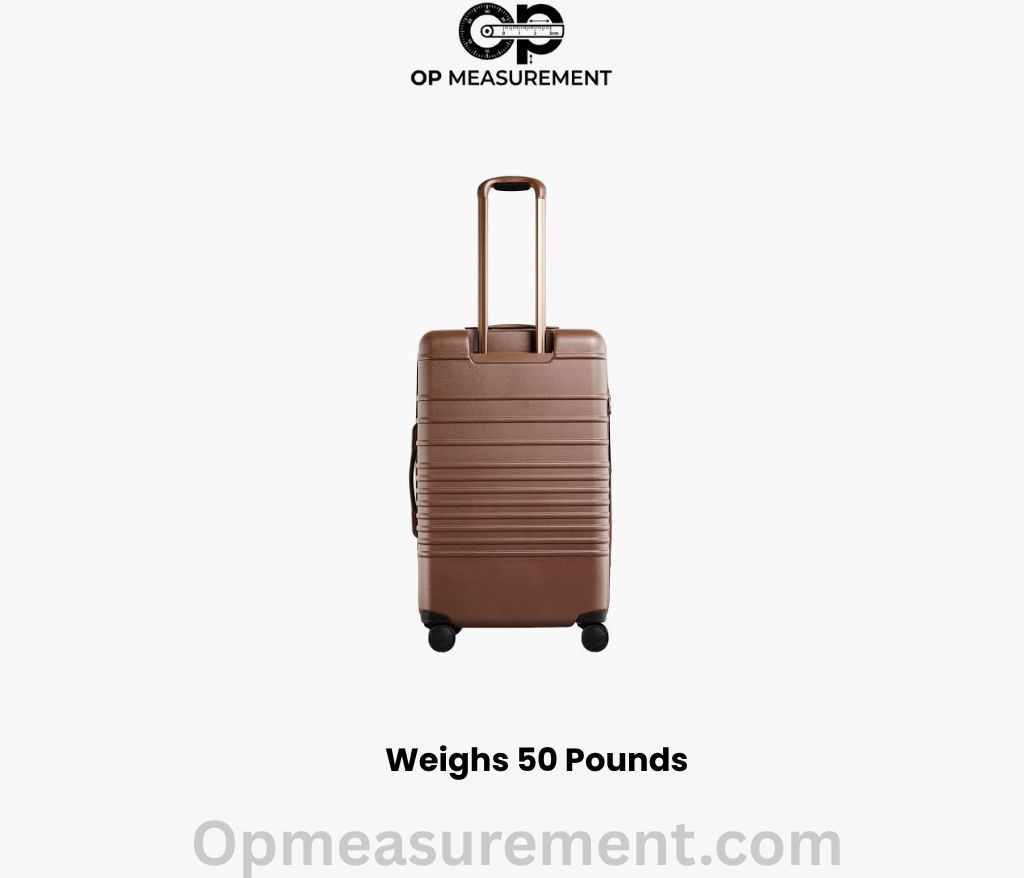
Some baggage allowances use a 50-pound limit, but policies vary by airline, route, cabin, and fare. A suitcase weighed at 50 lb is a reference; check your booking’s current allowance before packing.
A bag at this limit is a large hard-shell suitcase fully packed with two weeks of clothes, shoes, and whatever you bought on the trip. If it tips over and you have to pick it up off the airport floor, you’ll feel every one of those pounds on the way back up.
A 50-lb Olympic Weight Plate
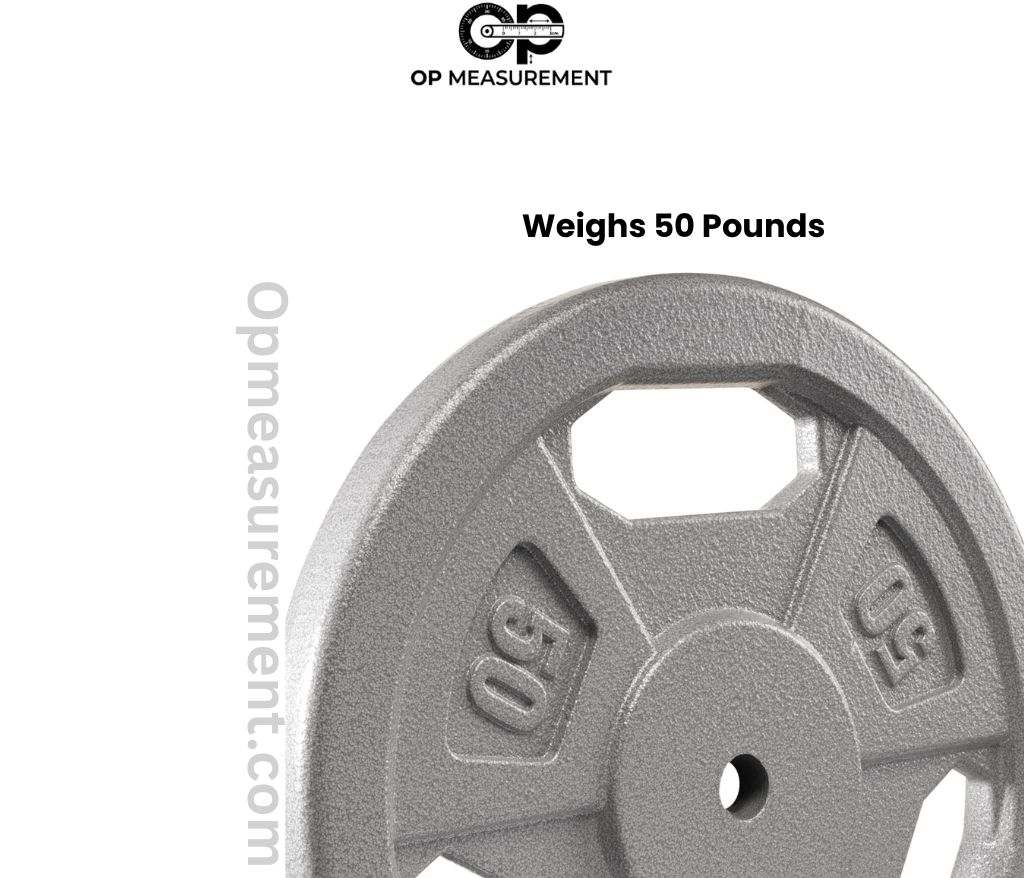
A weight plate marked 50 lb has a nominal rated mass. Manufacturing tolerances apply, and not every gym plate is a certified calibration weight. Use its rating as a practical comparison.
The plate is roughly 17.5 inches in diameter. It looks like something you could move casually. Then you pick it up with one hand and recalibrate immediately.
Read more: What Weighs 20 Pounds?
How to Estimate 50 Pounds Without a Scale
Three methods that actually work:
Six full gallon jugs of water. Each gallon weighs 8.34 pounds. Fill six standard gallon containers to the top. That’s your 50 pounds, and it’s as close to exact as a no-scale method gets.
Your checked suitcase memory. If you’ve ever packed a bag to the airline limit and felt the anxiety at the check-in counter, you already have a muscle memory for this weight. That exact feeling is the reference.
A loaded hiking backpack. A 35-liter pack fully loaded with gear, water, and food for a day hike commonly reaches this range. If you hike regularly, you’ve carried this weight without labeling it.
Common Mistakes Worth Knowing
Grabbing with one hand first. Compact, dense objects — batteries, floor jacks, Olympic plates — look lighter than they are. Most people reach for them expecting less and get surprised. Two hands from the start, not after the first failed grab.
Confusing weight with difficulty. A 50-pound kayak and a 50-pound dumbbell are the same weight. Moving the kayak is dramatically harder because of shape, grip, and distribution. Weight is one variable. It’s not the whole story.
Packing luggage to exactly 50 pounds. Home scales and airport scales don’t always match. Pack to 48 pounds and give yourself a buffer. The $75 overweight fee is not worth the two pounds of extra shoes.
Using This Measurement
50 pounds shows up in ordinary life more than most people realize — in the bag you haul from the hardware store, the suitcase you nervously watch at the check-in counter, the battery you underestimate until it’s in your hands.
The number itself doesn’t tell you much. The objects do.
Next time you lift something that makes you pause, you’ll have a better sense of exactly where it lands — and why your back had an opinion about it.
Conversion reference: NIST unit definitions and conversion factors. Rounded values are for comparison; product dimensions and weights should be checked against the specific item.

Vera loves exploring the size and dimensions of everyday objects. She shares practical, visual guides to help readers understand measurements clearly. With a focus on accuracy and usefulness, Vera creates content that informs, engages, and supports learning for all.